Behavioural Shifts, Not Just Gadgets, Key to Saving Lives: Nitin Agrawal
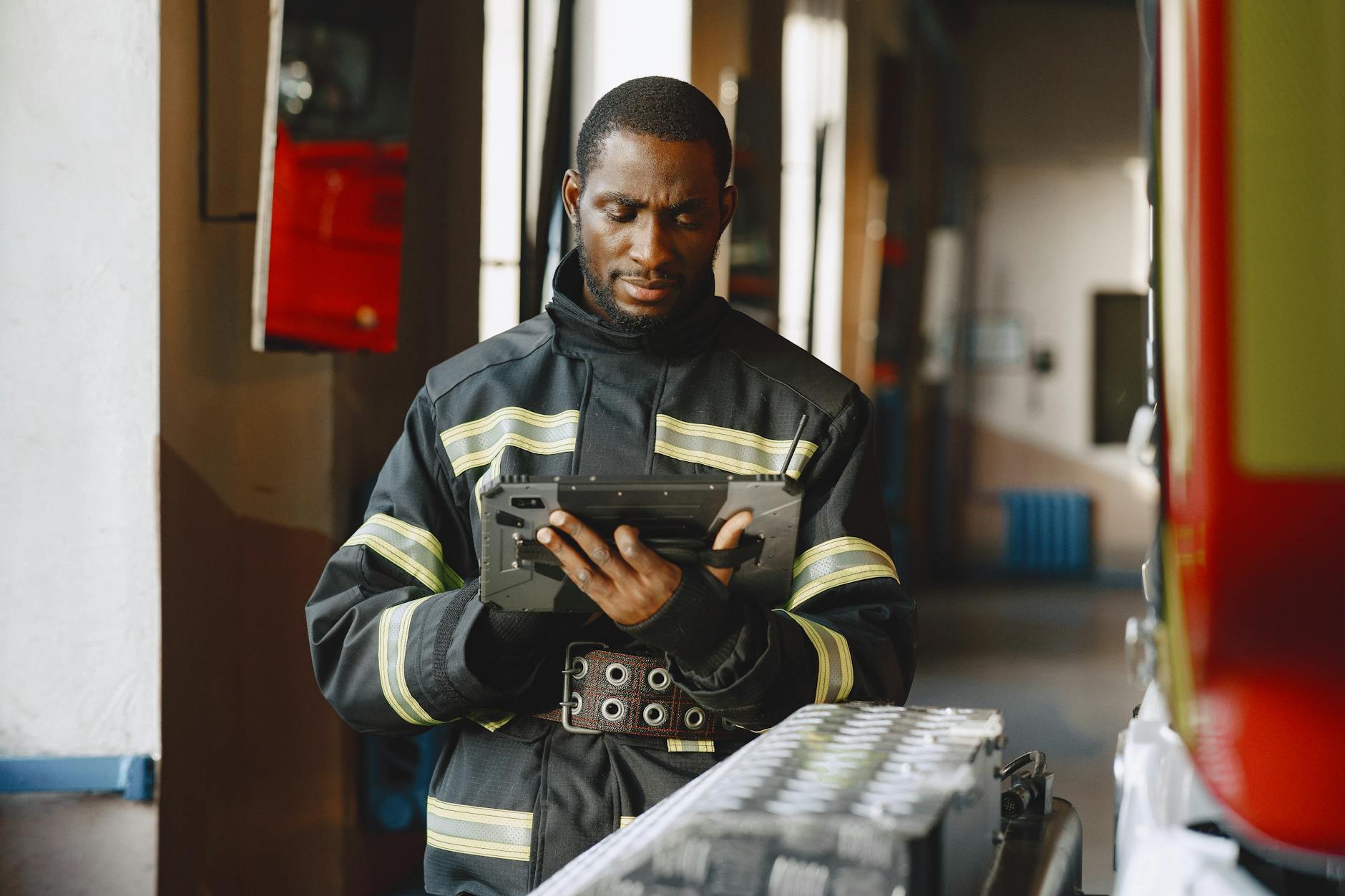
Nitin Agrawal, the current Director General of Kerala Fire & Rescue Services, is not one to mince words. In his typically candid manner, Agrawal has stated that the key to reducing fatalities in emergencies lies not just in the adoption of cutting-edge technology, but in a fundamental shift in human behaviour.
Agrawal, a seasoned IPS officer with decades of experience in various capacities, including a stint as the Director General of the Border Security Force, is well-versed in the intricacies of crisis management. His recent comments underscore a crucial point often overshadowed by the allure of technology: the human factor.
Speaking from his office in Thiruvananthapuram, Agrawal noted, "Technology can certainly enhance our capabilities, offering sophisticated tools and systems that aid in emergency response. However, it is the mindset and actions of individuals that make the ultimate difference in saving lives."
The Role of Technology
There's no denying that technology has transformed emergency response operations. From advanced communication systems to predictive analytics, modern tools have indeed enhanced the efficiency and speed of responses. Yet, Agrawal points out that these tools are only as effective as the people who utilise them.
"We have the technology to predict weather patterns, alert systems for natural disasters, and real-time monitoring of incidents. Still, if individuals do not heed warnings or fail to follow safety protocols, the technology itself becomes redundant," he elaborated.
Behavioural Change: The Missing Link
Agrawal's emphasis on behavioural change is rooted in numerous instances where emergencies escalated due to negligence or complacency. "We need a cultural shift where safety becomes a priority, not an afterthought," he argues.
His observations are particularly pertinent given the increasing frequency of natural disasters and accidents. Agrawal advocates for comprehensive public education programmes to instil a sense of responsibility and awareness among citizens.
"It's about creating a society that is proactive rather than reactive. Preparedness and awareness can mitigate the impact of disasters far more effectively than any gadget or software," he concluded.
As the world continues to innovate and develop new technologies, Agrawal's words serve as a timely reminder that human action, or inaction, remains the most critical factor in emergency management.