Bengal's Agricultural and Health Successes Shadowed by Environmental Concerns
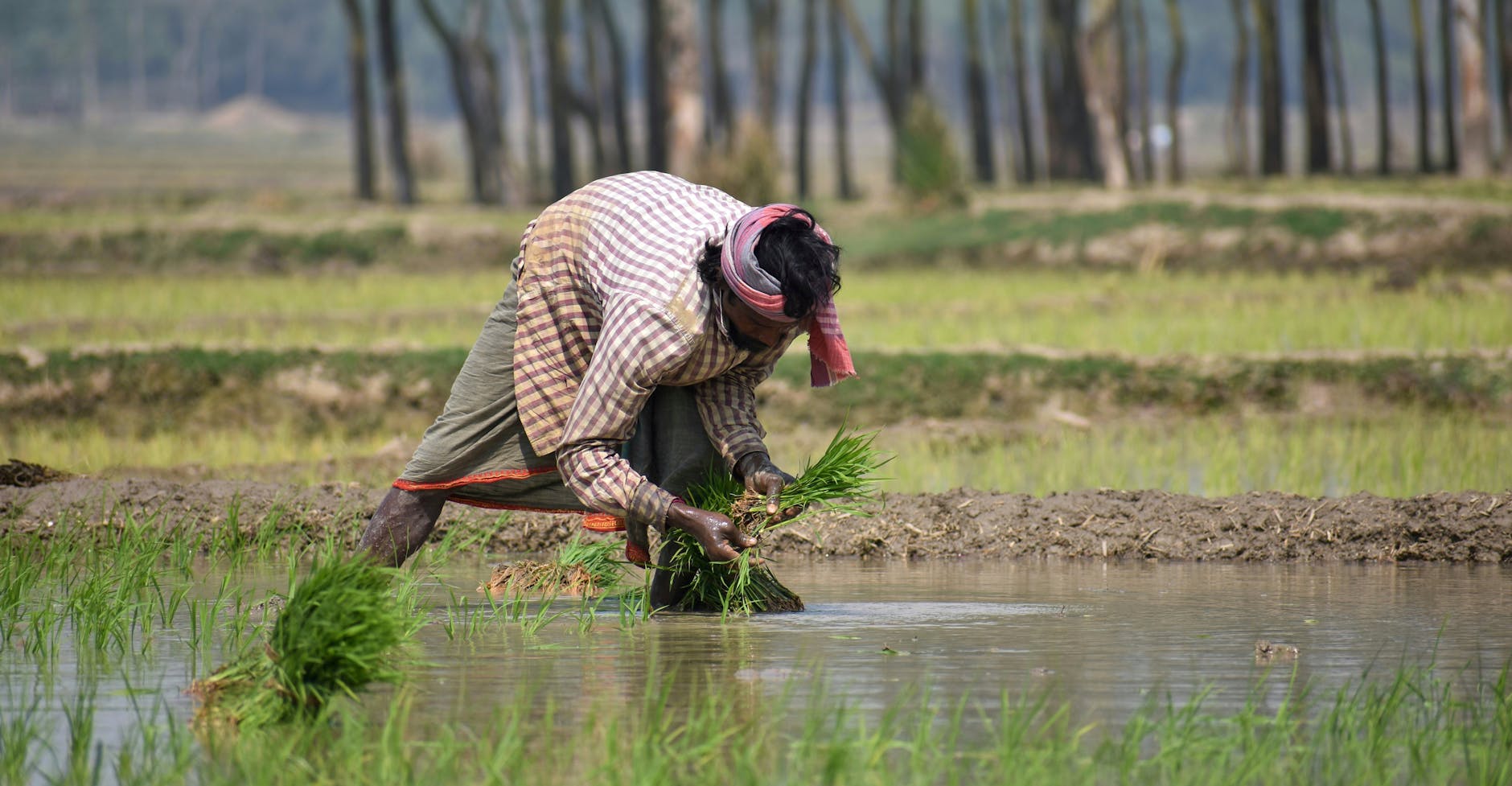
West Bengal, often lauded for its rich cultural tapestry and historical significance, has recently found itself in the spotlight for its commendable performance in agriculture and public health. According to a recent report, the state has secured the 8th position in agriculture and land, and 9th in public health, an achievement that places it alongside smaller states known for their efficiency in these areas.
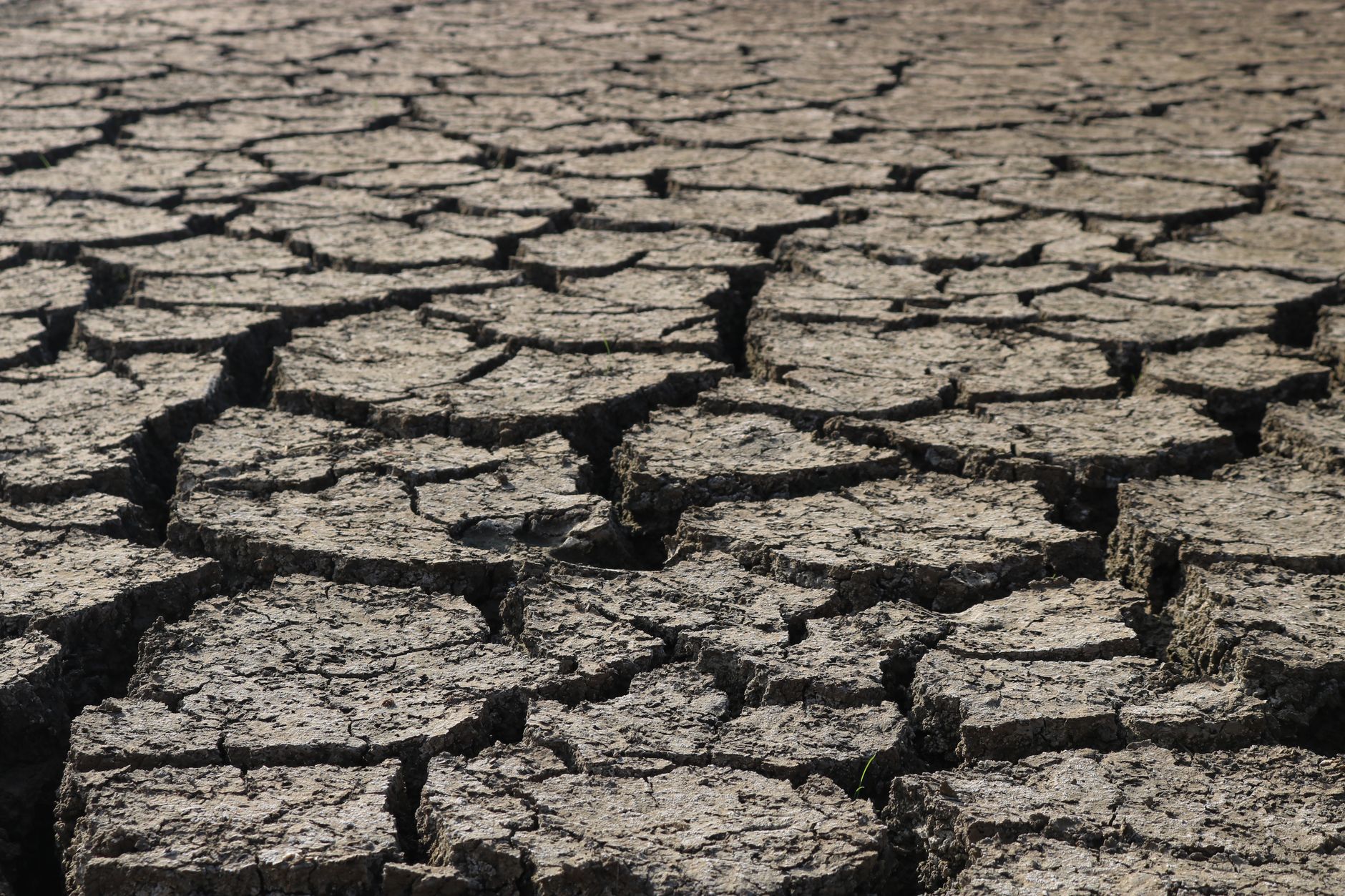
Yet, it is not all cause for celebration. The same report casts a shadow over Bengal's environmental and public infrastructure standings, areas where the state has languished towards the bottom of the list. This dichotomy highlights a broader conundrum faced by many Indian states: how to balance economic growth with sustainable development.
The Agriculture Conundrum
Despite its relatively high ranking in agriculture, Bengal's agricultural practices are not without their challenges. The state, much like the rest of India, grapples with the sustainability of its agricultural methods. While yields are commendable, they are achieved at significant environmental costs. Policymakers are increasingly concerned about the long-term viability of these practices, especially as two-thirds of India's population depends on rural employment.
The hidden costs of food production, including health impacts from diet-related issues, are becoming more apparent. As the state seeks to improve its agricultural output, there is a pressing need to address these hidden costs to ensure a sustainable future.
Health Success Amidst Infrastructure Challenges
In the realm of public health, Bengal's 9th-place ranking underscores its effective health outreach programmes and robust rural network. However, these successes are tempered by the state's struggle with inadequate public infrastructure. The disparity between health services and infrastructure is a stark reminder of the challenges in achieving comprehensive development.
Environmental sustainability remains a significant hurdle. The state's low score in this area calls for urgent attention to environmental policies and practices that can support both human and ecological health.
In conclusion, while West Bengal's achievements in agriculture and health are noteworthy, they are part of a larger narrative of uneven development. The state's challenge lies in harmonising these successes with improvements in environmental stewardship and infrastructure to ensure a holistic approach to progress.