Bengal's Mixed Bag: Agricultural Gains, Environmental Concerns
West Bengal, often a beacon of cultural and historical prominence, now finds itself at a crossroads in its development journey. According to a recent report, the state has been lauded for its strides in agriculture and public health, yet it grapples with significant shortcomings in environmental management and public infrastructure.
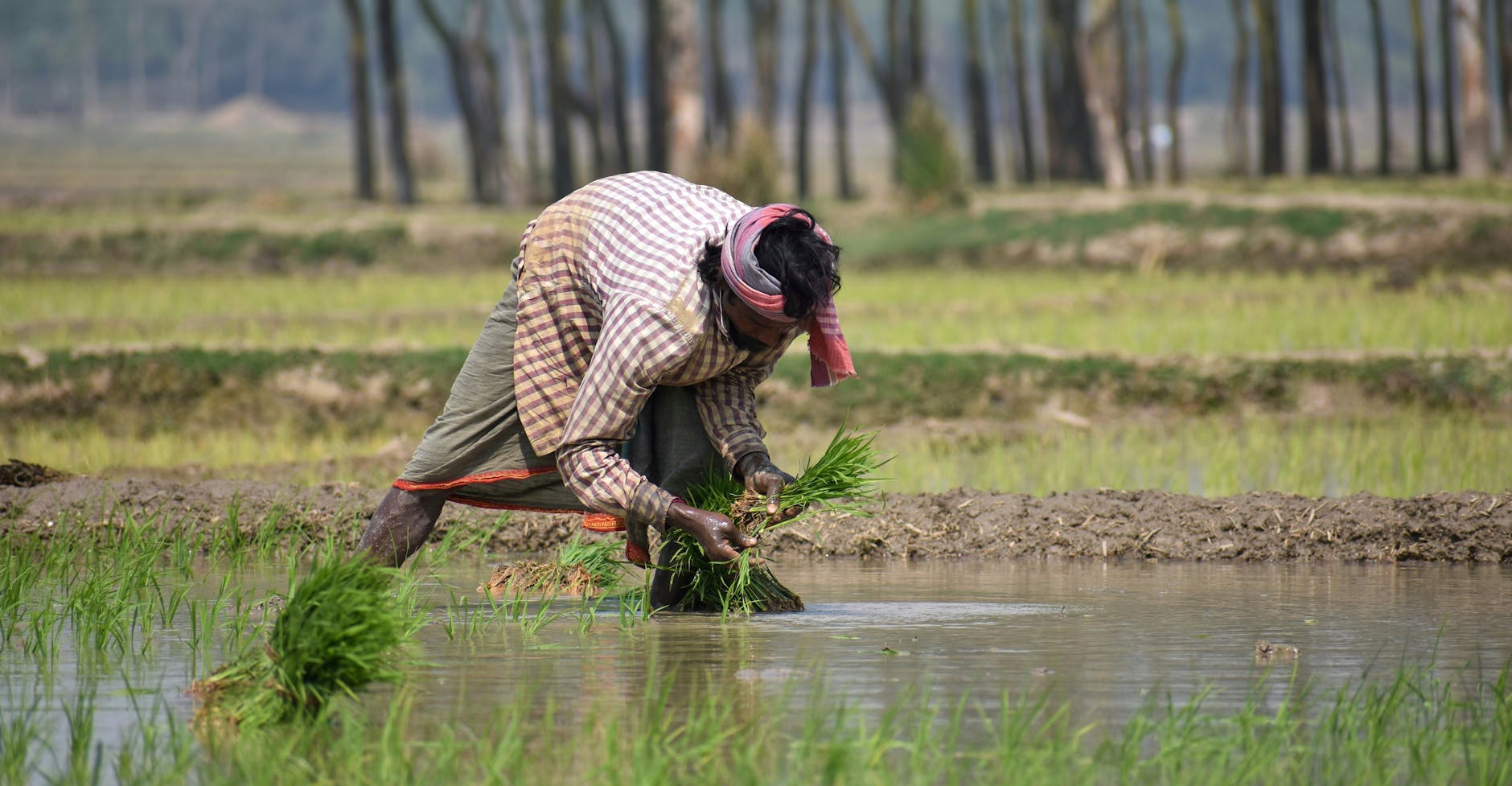
The report places Bengal eighth in 'Agriculture and Land', scoring 54.11 out of 100, and ninth in 'Public Health' with a score of 61.15. These rankings are a testament to the state's robust rural network and health outreach programmes, aligning it with smaller states that traditionally excel in such areas.
Environmental and Infrastructure Woes
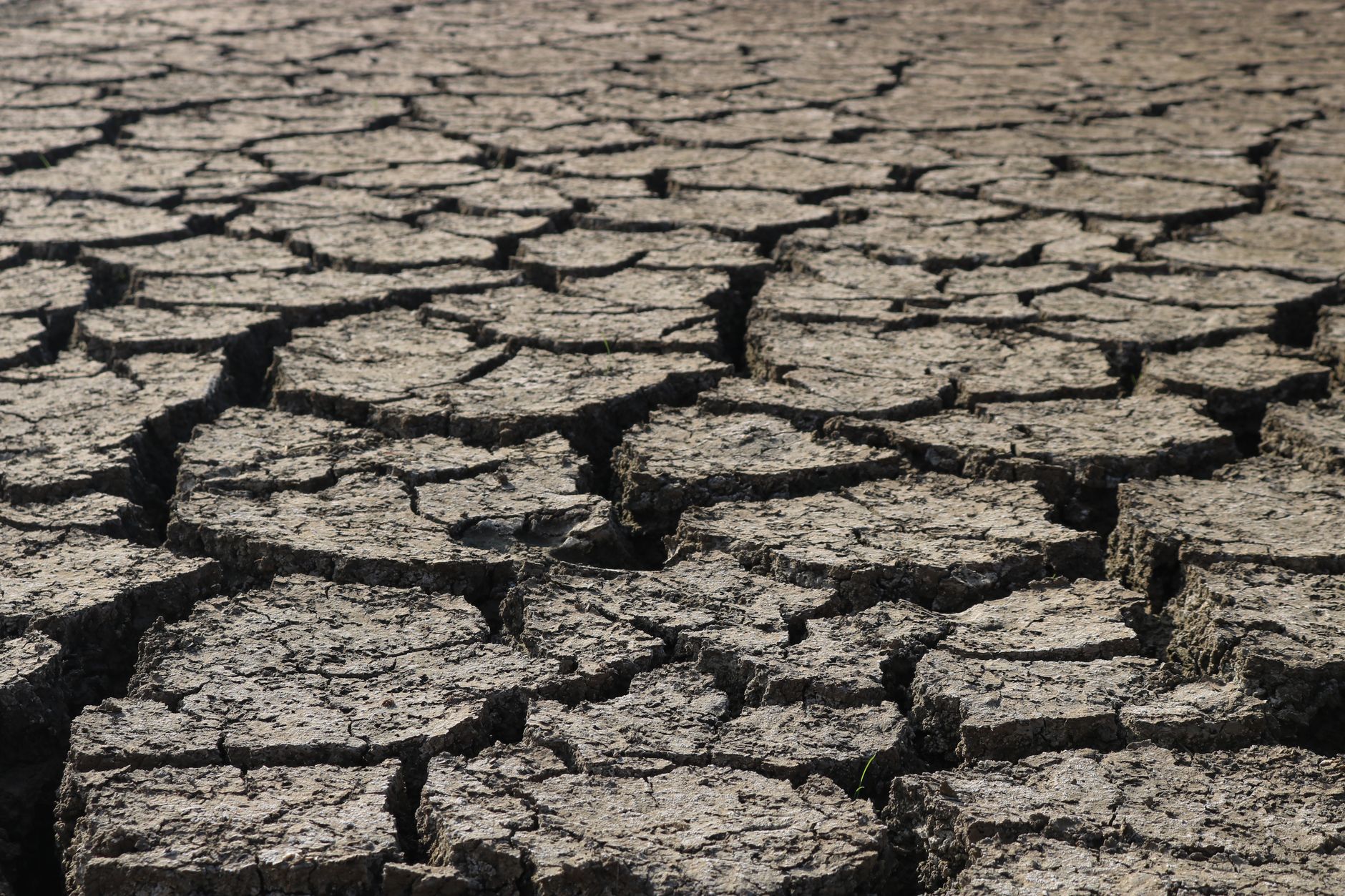
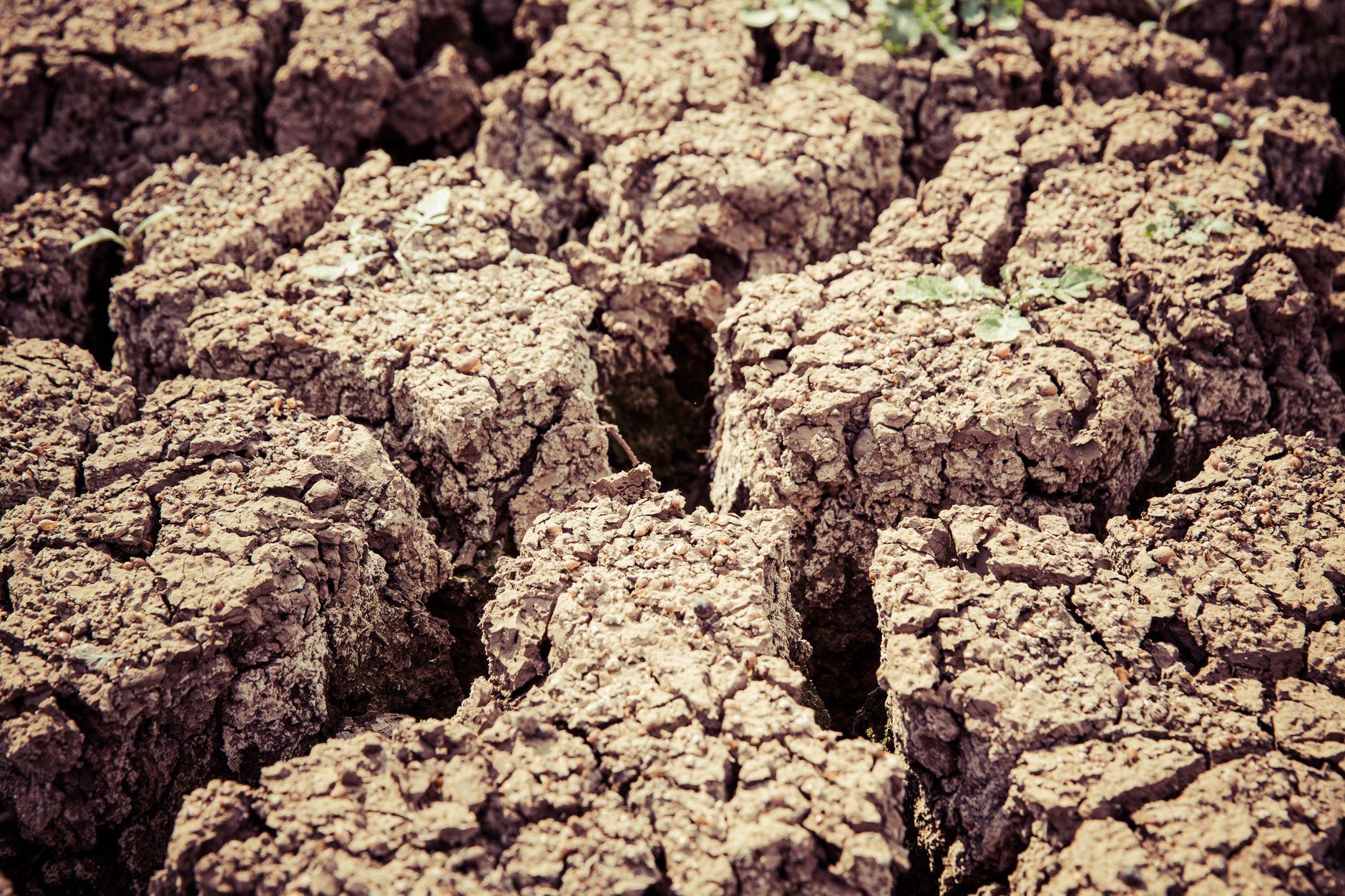
Despite these successes, Bengal's environmental record leaves much to be desired. Factors such as pollution, urbanisation, and resource depletion have marred its environmental performance. The state is lagging in implementing effective policies to tackle these issues, which poses a serious threat to sustainable development.
Public infrastructure is another Achilles' heel. While agriculture and health sectors have shown promise, the lack of adequate infrastructure could undermine these achievements. Without substantial investment in infrastructure, the benefits of agricultural and health advancements may not reach the broader population.
The Broader Context
This duality in Bengal's development highlights a broader challenge faced across India: balancing rapid economic growth with sustainable practices. The country's agricultural economy has undergone significant changes, with the GDP share of agriculture dropping from 43% in 1970 to just 16% in 2011. Yet, the quest for food security remains paramount, as India ranks 74th out of 113 countries on the Food Security Index.
Ultimately, Bengal's predicament is a microcosm of India's developmental challenges. The need for a holistic approach that integrates economic, environmental, and social objectives is more pressing than ever. As Bengal navigates these complex issues, its path could offer valuable lessons for other regions grappling with similar struggles.