Bihar's Bold Move: Thousands of 'Fake' Teachers Dismissed

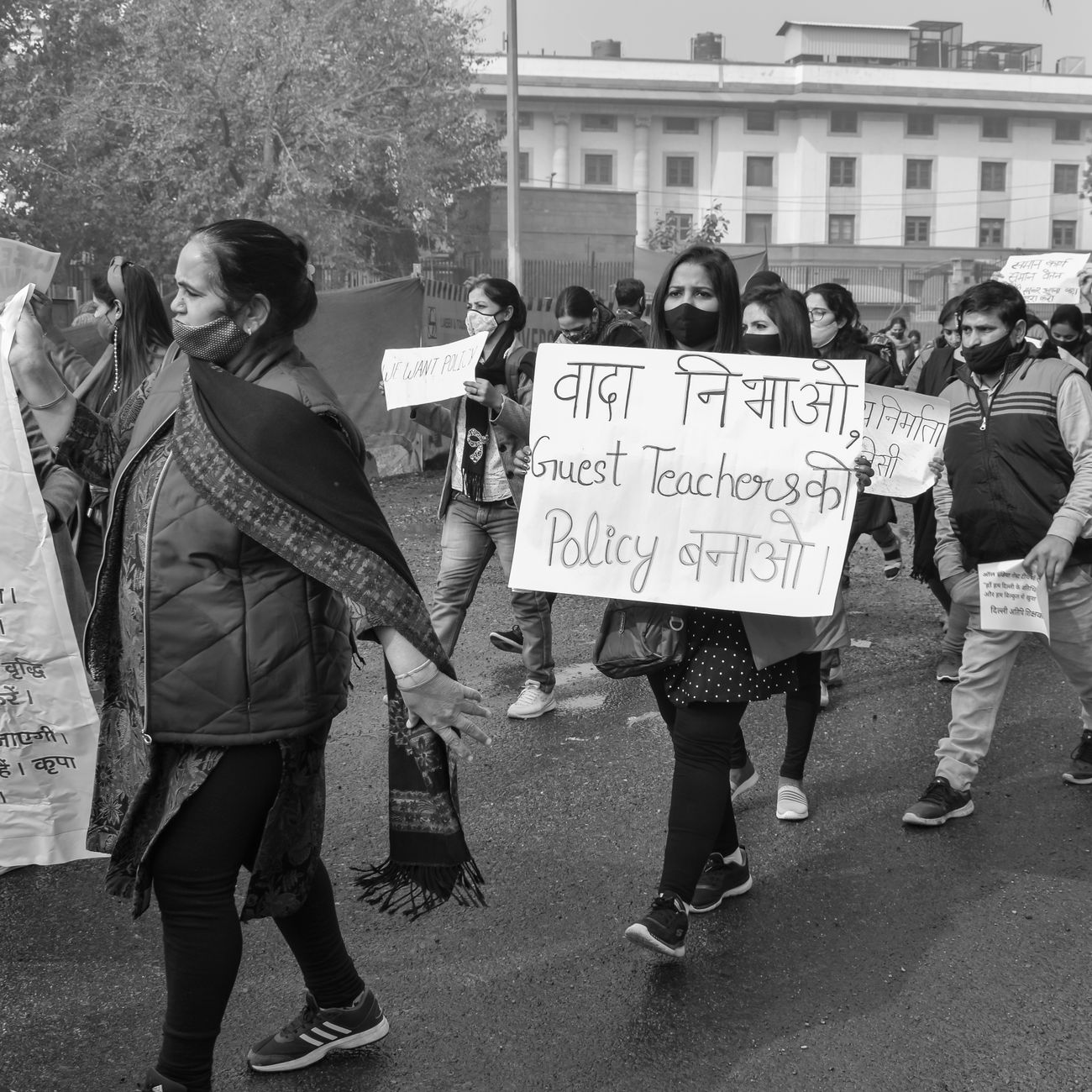
In an audacious move to purge the educational sector of malpractice, Bihar has sacked more than 3,000 teachers who had fraudulently secured their positions. This decisive action comes after a prolonged investigation by the state authorities, aiming to address endemic corruption within the educational system.
The Education Minister, Mithilesh Tiwari, announced the dismissals, emphasising that this is merely the beginning of a more extensive crackdown on fraudulent practices. 'This investigation has been underway for quite some time, and we are committed to restoring integrity to our education system,' he stated. The state now seeks to recover around Rs 1,400 crore, which had been disbursed as salaries to these illegitimate educators, with interest.
Implications of the Crackdown
This bold initiative shines a spotlight on the rampant issue of forged credentials and fake appointments that have plagued Bihar's educational institutions for years. The financial implications are substantial, with the state poised to reclaim the misappropriated funds. However, the broader repercussions on the teaching community and public trust remain a significant concern.
Analysts suggest that this move could set a precedent for other states grappling with similar challenges. It underscores the need for stringent verification processes and transparent recruitment practices across the board. Moreover, it raises pertinent questions about the oversight mechanisms that allowed such a large-scale fraud to persist unchecked for so long.
Future Prospects
While the immediate focus is on recovering lost funds, the long-term objective is to overhaul the recruitment process. Experts advocate for the implementation of more robust checks and balances to prevent similar occurrences in the future. The education department is also expected to introduce measures to enhance accountability and ensure only qualified individuals are appointed.
Ultimately, Bihar's efforts to cleanse its educational sector of deceit could pave the way for a more transparent and efficient system, benefiting students and educators alike. Whether this marks a turning point in the state's approach to education reform remains to be seen, but it certainly sets a new benchmark for administrative vigilance.