Bihar's Bold Vision: Transforming Dams into Eco-Tourism Hubs
Under the unforgiving July sun in Patna, Bihar’s Environment Minister inaugurated the much-anticipated ‘Ecotourism Investors Meet-2026’. The event, teeming with potential investors and policy makers, unveiled a visionary blueprint aimed at transforming Bihar's natural resources into sustainable economic assets.
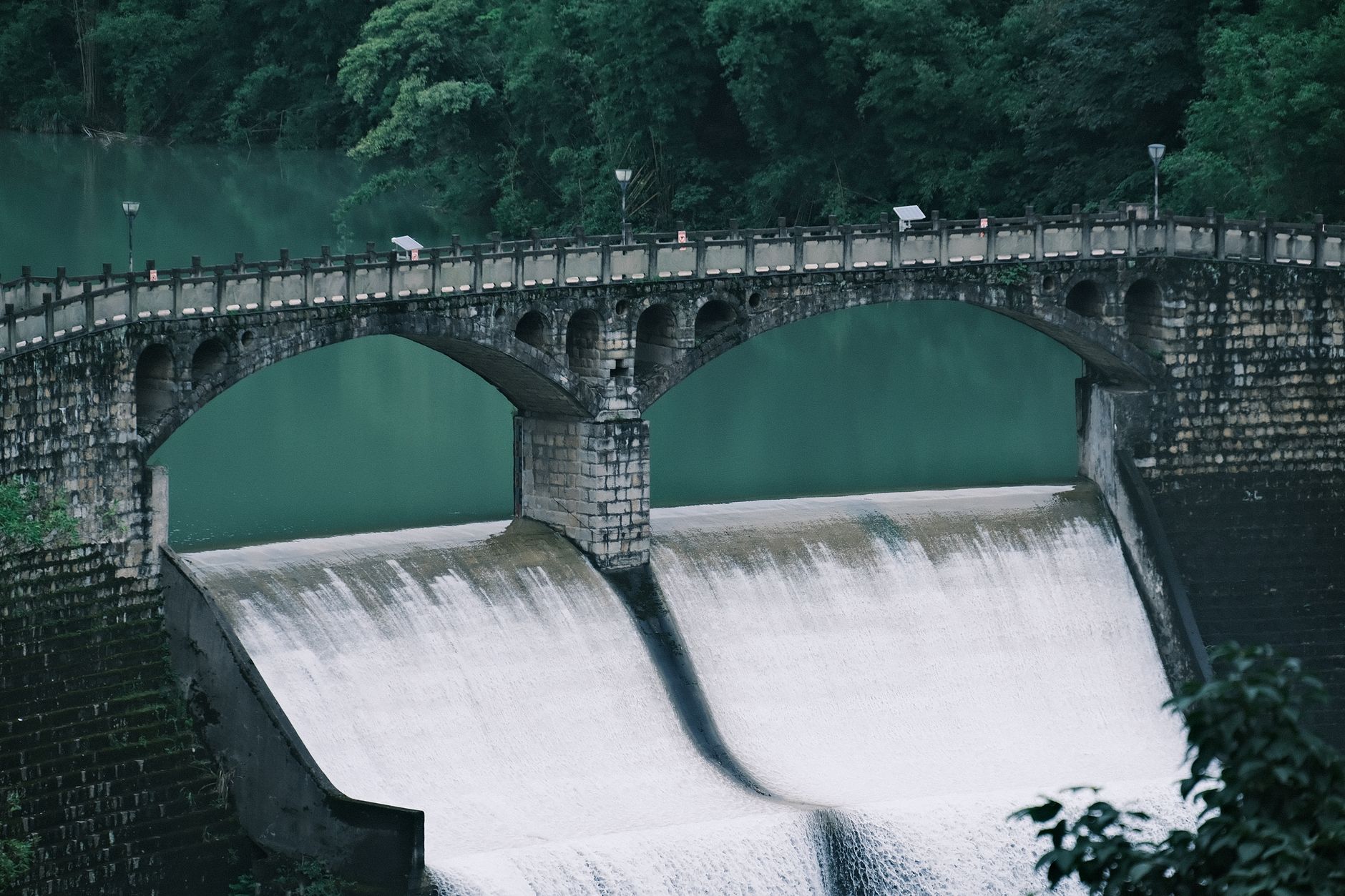
The centrepiece of the announcement is the ambitious plan to convert 29 major dams into world-class eco-tourism destinations. This initiative, part of a larger effort to develop 247 water bodies across the state, promises to blend the twin goals of environmental conservation and economic growth.
Investment in Nature
The state's vision is clear: to leverage its natural beauty for sustainable economic development. Additional Chief Secretary Anand Kishor, speaking at the event, outlined a two-phase development plan. The first phase will focus on infrastructure development, while the second will concentrate on enhancing visitor experiences through eco-friendly amenities.
The government is keen on attracting private investments, offering a Viability Gap Funding (VGF) to encourage Public Private Partnerships (PPP). This move is expected to not only boost local economies but also create jobs and foster community involvement in conservation efforts.
A Green Revolution
The Minister, echoing the Prime Minister’s vision of ‘Ek Ped Maa Ke Naam’, emphasized that the project is as much about changing mindsets as it is about economic returns. “Trees are not just a part of our landscape; they are part of our culture,” he remarked, urging for collective action in environmental conservation.
Analysts believe this could set a precedent for other states, transforming how natural resources are perceived and utilised. By positioning eco-tourism as a driver for sustainable development, Bihar is not only addressing environmental challenges but also pioneering a model for economic resilience.
As the sun dipped below the horizon, the promise of a greener, more prosperous Bihar lingered in the air—an optimistic vision that, if realised, could indeed change the state’s environmental and economic narrative.