Birds in Ukraine Use Military Fibre-Optic Cables for Nests
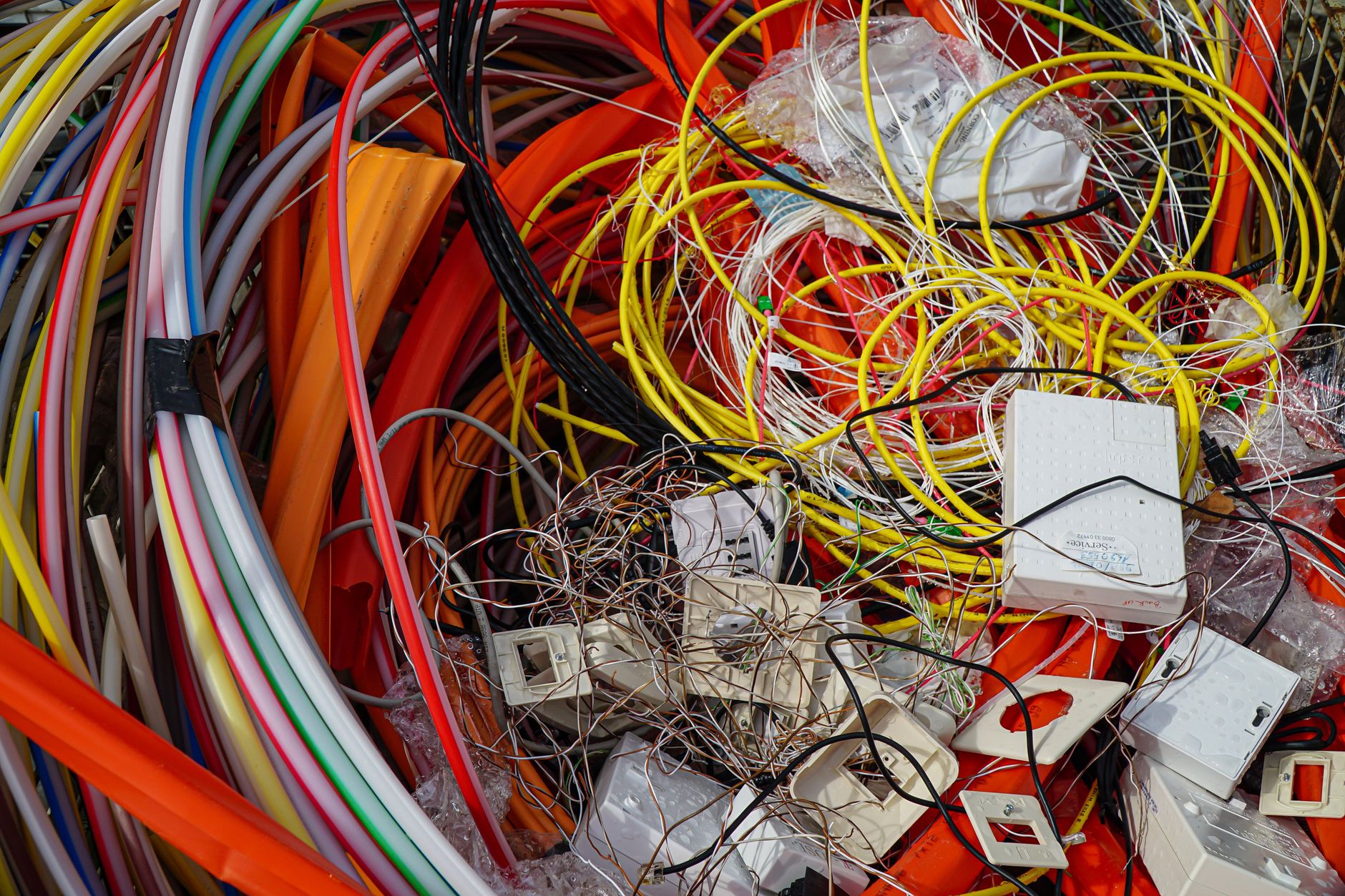
Amidst the cacophony of war in Ukraine, nature has found an unlikely ally in military fibre-optic cables. Recent observations near the front lines have revealed birds weaving these high-tech remnants into their nests, a poignant testament to the environmental ripples of conflict.
The nests, a curious amalgamation of natural materials and man-made debris, highlight a peculiar intersection of technology and nature. Birds, it seems, have adapted to the detritus of the battlefield, incorporating the ultra-thin cables used by drones for navigation and communication into their homes.
Unintended Consequences of Warfare
The fibre-optic cables, originally designed to evade detection and interference, are now an integral part of avian architecture. This adaptation, while resourceful, poses potential threats. The durability and foreign nature of these materials could affect the health and safety of the birds and their offspring.
Environmentalists express concern over the long-term implications. The presence of such materials in nests could introduce toxins or physical hazards, altering survival rates and impacting local biodiversity. The broader ecological consequences of integrating technological waste into natural ecosystems remain largely unexplored.
Rethinking Military Waste
This phenomenon serves as a stark reminder of the environmental footprint of military operations. As warfare increasingly relies on sophisticated technology, the by-products of such advancements are left to mingle with the natural world, often with unforeseen effects.
The situation in Ukraine urges a reevaluation of how military waste is managed and its potential repercussions on the environment. As nature adapts in unexpected ways, it prompts a broader discourse on the responsibility of military forces to mitigate their ecological impact.
This unique adaptation by Ukrainian birds is not just an ecological curiosity; it is a call to arms for more sustainable practices in warfare, reminding us that the battlefield extends beyond human conflicts and into the heart of our natural world.