Birds Weave Military Fibre Optics into Nests, Raising Environmental Concerns
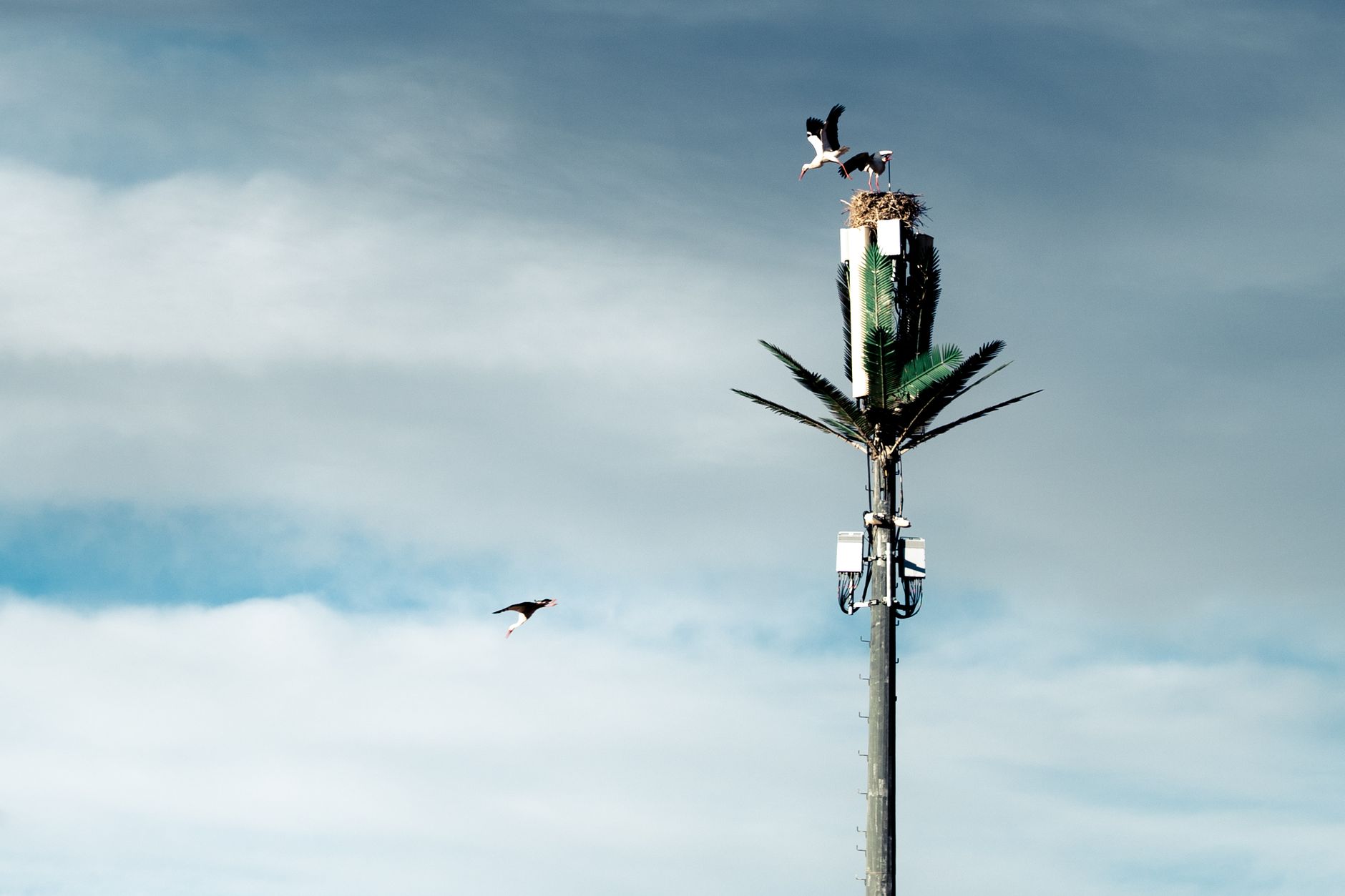
In the rolling fields of Ukraine, a peculiar sight has caught the attention of researchers and conservationists alike. Birds, ever the opportunistic architects, have begun incorporating discarded military-grade fibre-optic cables into their nests. This unusual choice of building material, while a testament to the birds' adaptability, raises significant concerns about the environmental footprint of military technologies.
These fibre-optic cables, remnants from drones used in the ongoing conflict, are not your typical nesting material. Unlike twigs, moss, or grass, these cables do not degrade over time. Instead, they lie in wait, potentially ensnaring wildlife and altering habitats for decades. The Ukrainian War Museum's senior researcher, Yana Hrynko, confirms that at least two such nests have already been discovered, sparking interest and concern among ecologists.
The Hidden Costs of Military Innovation
The use of fibre-optic drones has become increasingly prevalent on the frontlines, prized for their precision and stealth. However, as these drones accomplish their missions, they leave behind a trail of technological debris. The cables, which can stretch up to 20 kilometres, pose a long-term environmental challenge. Unlike other materials that eventually degrade, these cables persist, introducing a new kind of pollution that the natural world must contend with.
Birds have long been known to adapt to their environments, using whatever materials are at hand to build their nests. Plastic bags, bits of cloth, and even fishing lines have all been found woven into avian homes. Yet, the introduction of fibre-optic cables is a novel development, highlighting the unforeseen consequences of military technologies on nature.
Implications for Conservation Efforts
For conservationists, the discovery is a double-edged sword. On one hand, it showcases the resilience and adaptability of wildlife in the face of human encroachment. On the other, it underscores the urgent need for more sustainable practices in military operations. As these cables become a part of the landscape, they challenge existing conservation strategies and demand new approaches to managing human impact on the environment.
As the world grapples with the growing environmental challenges posed by technological advancements, the sight of a bird's nest made from fibre-optic cable serves as a poignant reminder. It is a call to action for policymakers, military strategists, and conservationists to consider the long-term ecological impacts of their decisions.