Bisleri Advocates for Plastic Reduction at SACEP in Nepal
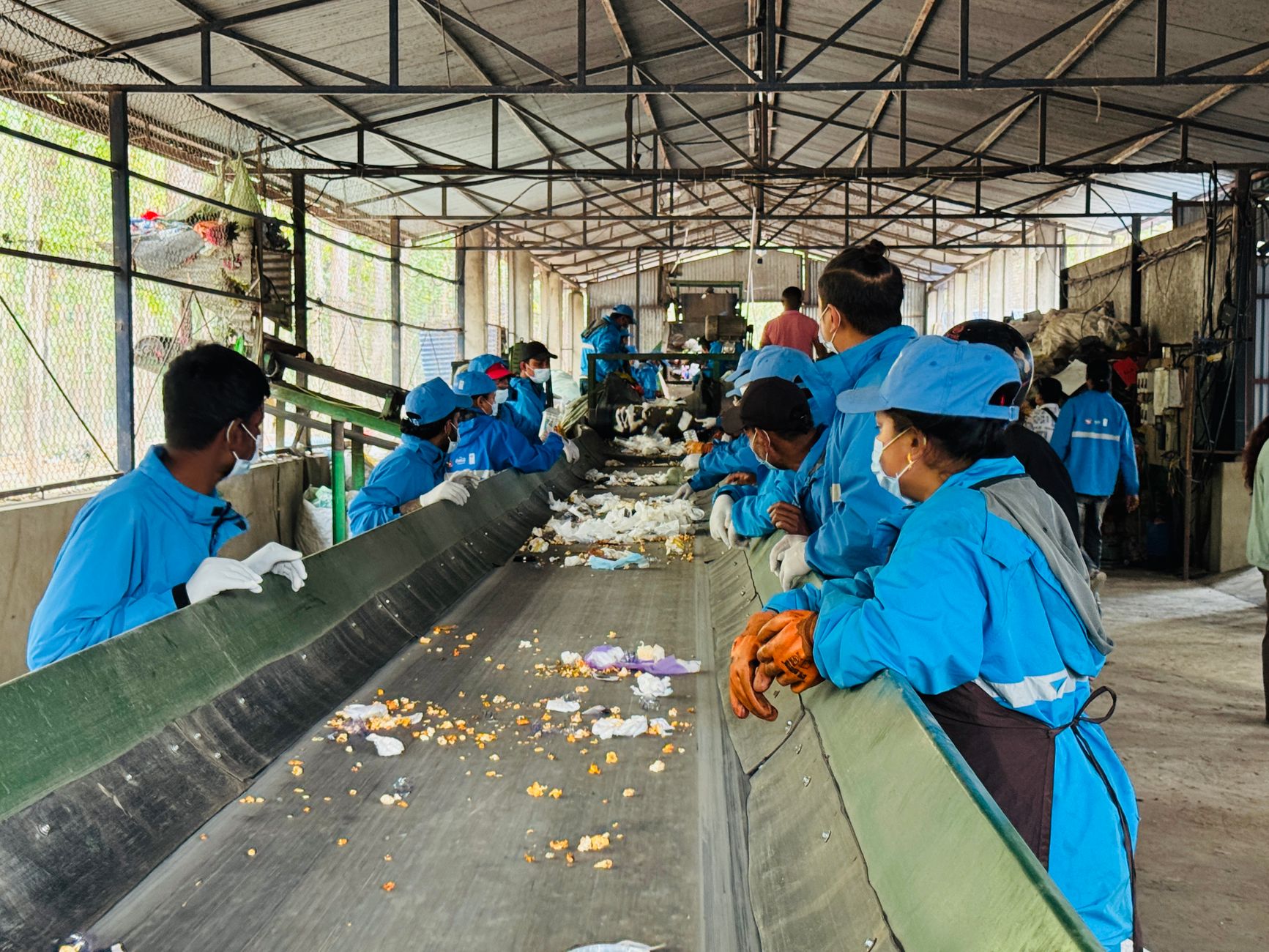
In the bustling heart of Kathmandu, a city known for its rich cultural tapestry and vibrant streets, an important discourse unfolded last week that could influence the environmental trajectory of South Asia. Bisleri International, the Indian titan of bottled water, was at the forefront of the South Asia Co-operative Environment Programme (SACEP) Training Programme held in Nepal. Their mission: to advocate for robust systems to curb plastic pollution, a scourge that threatens the ecological balance of regions far beyond their own borders.
The event, punctuated by high-level discussions and strategic deliberations, centred on the implementation of Extended Producer Responsibility (EPR) and Plastic Credit Systems. These frameworks are pivotal for tackling the region's escalating plastic waste dilemma. Funded by the World Bank and supported by Parley for the Oceans, the programme underscored the urgent need for collaborative actions to stem the tide of plastic debris flowing into the rivers and seas of South Asia.
Representing India, Bisleri's involvement was more than symbolic. It was an active demonstration of India's resolve to lead by example in environmental stewardship. The company's initiatives in plastic management have previously set benchmarks across industries, and their participation in SACEP highlighted their commitment to driving change through sustainable practices.
A Regional Approach to a Global Problem
Plastic pollution isn't just a local issue confined to the borders of one nation; it is a global challenge that necessitates regional cooperation and innovative solutions. South Asia, with its dense populations and rapid urbanisation, faces a particularly acute crisis. Here, the role of organisations like SACEP becomes indispensable, as they foster alliances among member states to address these challenges collectively.
The Kathmandu meeting was not merely a forum for discussion but a call to action. By embracing strategies like EPR, which obligates producers to manage the disposal of their products, and Plastic Credit Systems that incentivise waste reduction, South Asia can carve a path towards a sustainable future.
For Bisleri, the venture into this international dialogue is a testament to their pioneering spirit. As the company continues to champion environmental initiatives, its influence extends beyond national borders, offering a template for other industries to emulate.
The Road Ahead
While the challenges of plastic pollution are daunting, the resolve exhibited at the SACEP programme offers a glimmer of hope. The collaborative efforts spearheaded by Bisleri and other regional stakeholders could very well set the stage for meaningful change. As discussions translate into policy, one can only hope that the ripple effect will inspire broader global initiatives, ensuring that our rivers and seas remain pristine for generations to come.