Bisleri's Role in Shaping South Asia's Environmental Future
In Kathmandu’s bustling conference halls, amid a backdrop of towering peaks and vibrant culture, Bisleri International took the stage at the South Asia Co-operative Environment Programme (SACEP) this week. The event, held from 8-10 June 2026, was no ordinary gathering. It was a definitive moment for regional cooperation on environmental issues, particularly focusing on Extended Producer Responsibility (EPR) and Plastic Credit Systems.
Representing India, Bisleri International, a household name in packaged drinking water, sent its Director of Sustainability and Corporate Affairs, Mr. K. Ganesh, to the programme. His participation was more than ceremonial. It marked an active engagement in discussions about sustainable waste management practices and the implementation of EPR frameworks across South Asia.
Addressing Plastic Pollution
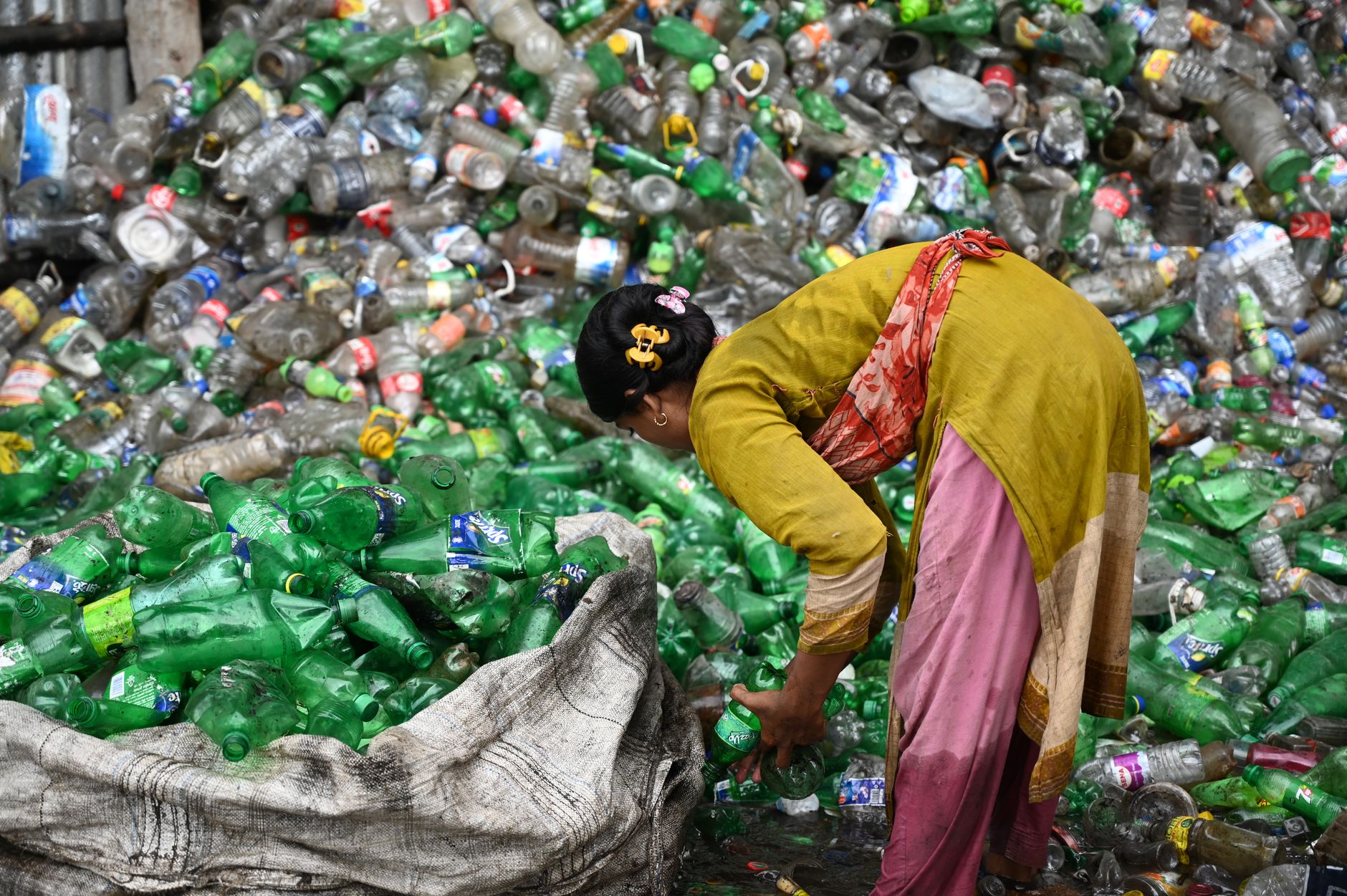
Plastic waste remains a persistent challenge in the region, and the conference sought to address this by bringing together a diverse group of stakeholders. Government officials, regulators, producers, and recyclers convened to share insights and strategies. Mr. Ganesh’s presence was pivotal, as he illustrated how Bisleri has been pioneering initiatives to reduce plastic waste through innovative recycling programmes and partnerships.
For many attending, the emphasis was on practical solutions rather than theoretical discourse. The notion of Plastic Credit Systems was particularly appealing. These systems allow companies to offset their plastic footprint by investing in recycling and waste management projects, a concept Bisleri has been keenly exploring.
Regional Cooperation and Future Steps
The SACEP event underscored the necessity for regional collaboration. South Asia, with its densely populated cities and burgeoning economies, faces unique environmental challenges. By participating in such forums, companies like Bisleri are not just observing but actively shaping policy and practice.
As the conference concluded, the consensus was clear: sustainable development requires collective effort. Initiatives like EPR are vital tools in managing plastic waste, but their success hinges on cooperation across borders and sectors. Bisleri’s role in this dialogue highlights the potential for private sector leadership in fostering sustainable practices, setting an example for others to follow.