Brazilian Sisters Over 100 Offer Clues to Longevity
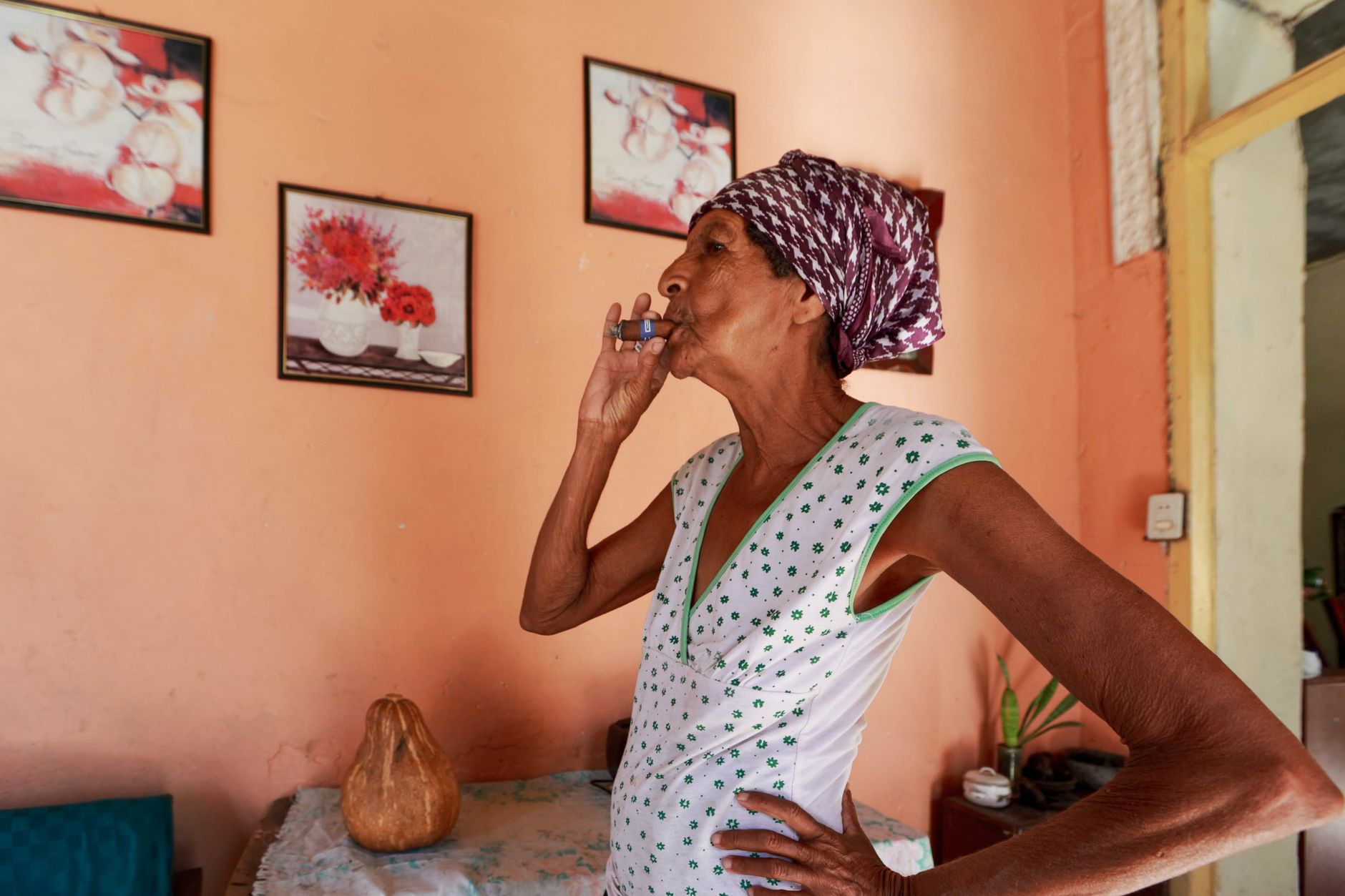
In a modest home tucked away in Rio de Janeiro, three sisters sit together, their combined ages totalling more than three centuries. Zoraide de Deus Mota, 110, Zulina de Deus Nunes, 107, and Levita de Deus Nunes, 104, hold the distinction of being the world's oldest living trio of siblings. As they share laughter and memories, scientists believe these sisters could unlock the secrets to living beyond a century.
Their story has piqued the interest of researchers from around the globe. The sisters represent a unique opportunity to explore the dynamics of ageing, particularly the interplay between genetic predispositions and lifestyle choices. Experts are keen to understand why some individuals, like the de Deus sisters, not only reach but thrive past the 100-year mark.
Research into longevity often grapples with the question of nature versus nurture. In the case of these Brazilian siblings, scientists are conducting DNA analyses to determine potential genetic markers that could contribute to their longevity. However, it is not just about what runs in their blood. The sisters' daily habits, diet, social interactions, and overall lifestyle are equally under scrutiny.
The Genetics of Ageing
Geneticists hypothesise that certain gene variants might play a crucial role in enhancing lifespan. If the de Deus sisters possess such variants, it may offer insights into why some people age more gracefully than others. Previous studies have indicated that individuals with a family history of longevity tend to have better metabolic health and lower incidences of chronic diseases.
Dr. Ana Ribeiro, a leading researcher in gerontology, notes, "Understanding the genetic factors can help us develop interventions that mimic these natural advantages in the broader population." Yet, the sisters themselves attribute their long lives to simple living, a diet rich in local fruits and vegetables, and maintaining strong family bonds.
Lifestyle: The Unsung Hero
While genes provide a blueprint, lifestyle often determines how that blueprint is realised. The de Deus sisters embody an ethos of moderation and community engagement. They remain active, participating in local events and enjoying the company of family. Social scientists argue that such engagement is crucial for cognitive health and emotional well-being.
As the study progresses, it is hoped that the findings will not only extend the understanding of human longevity but also prompt a shift in how societies approach ageing. The de Deus sisters remind us that while science seeks answers in the lab, often, the most profound solutions are found in the simple joys of life.