Brazilian Sisters Over 100 Offer Clues to Longevity
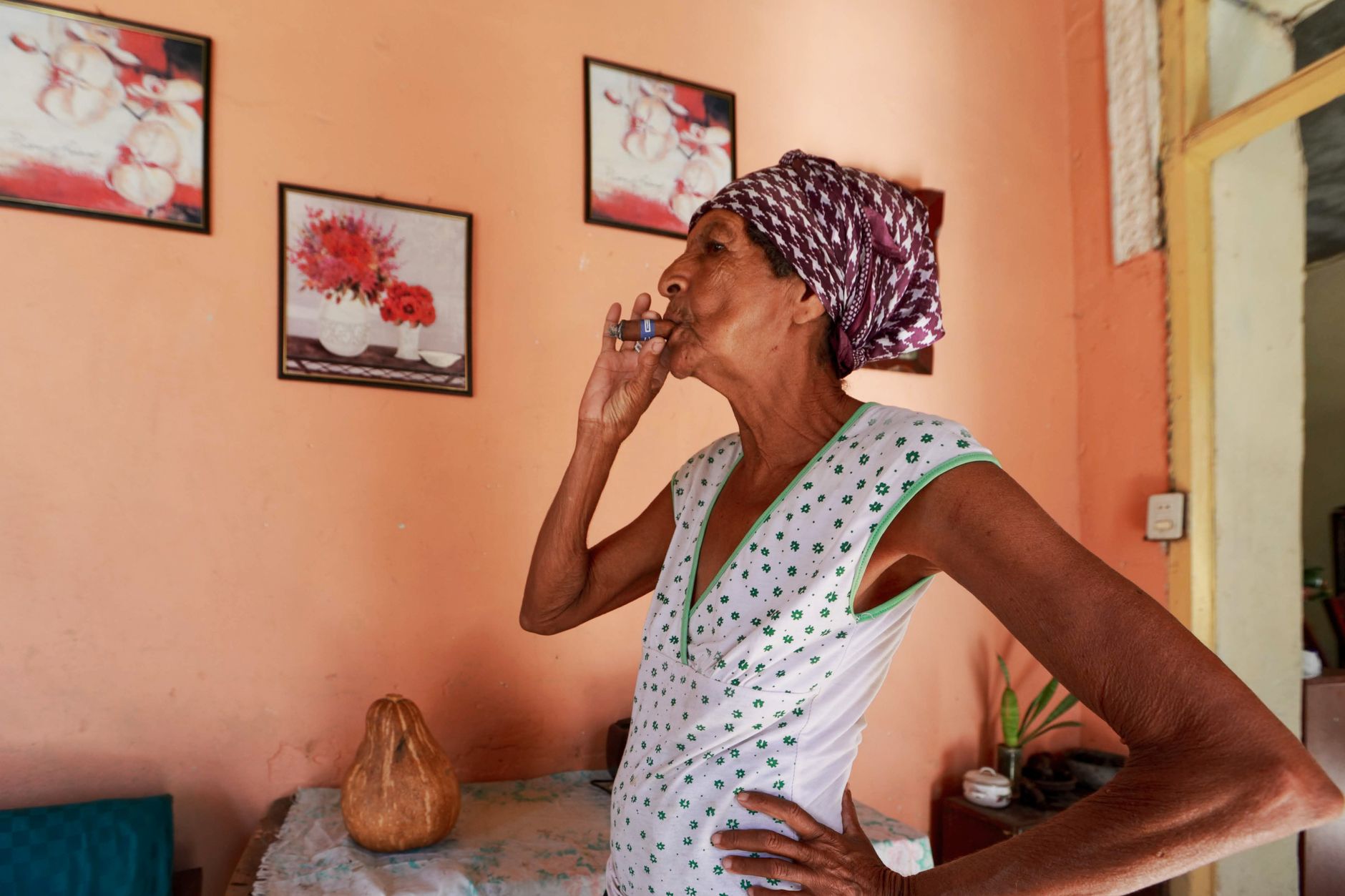
In the vibrant city of Rio de Janeiro, three sisters have captivated both locals and scientists alike, not merely for their advanced years but for what they might reveal about the human lifespan. Zoraide de Deus Mota, Zulina de Deus Nunes, and Levita de Deus Nunes, aged 103, 106, and 100 respectively, represent the world's oldest living trio of siblings. Their mere existence poses tantalising questions about longevity, an area of growing interest in our increasingly ageing societies.
Dr. Maria Santos, a lead researcher in gerontology, expressed her fascination, stating, "These sisters provide a unique opportunity to explore the interplay between genetics and lifestyle in achieving such remarkable ages." Scientists are meticulously examining their genetic make-up, familial history, and daily routines. The aim is to discern whether their longevity is a result of inherited traits or if their lifestyle choices have significantly contributed.
The Genetic Puzzle
The sisters' case is particularly intriguing for researchers focusing on genetics. DNA samples are being compared to those of other centenarians and nonagenarians, specifically looking for markers that could correlate with longevity. Such studies are crucial as they may unveil genetic components that enable some individuals to defy the usual constraints of ageing, maintaining physical and cognitive health far beyond the norm.
However, genetics is only part of the equation. As Dr. Santos elaborates, "While genetic predisposition is important, it cannot solely account for such extreme longevity. Understanding how lifestyle factors interplay with genetics is key."
Lifestyle and Environment
Beyond the genetic intrigue, the sisters' daily lives are under scrutiny. They have spent their lives in a small coastal town outside Rio, leading a lifestyle characterised by a strong sense of community, regular physical activity, and a diet rich in local produce. Could these factors be the unsung heroes of their longevity?
What researchers hope to derive from this study is not just a scientific breakthrough but practical guidelines that could inform public health strategies, encouraging practices that promote healthier, longer lives. If the sisters' secrets can be decoded, they may inspire a new paradigm in how we approach ageing.
As the world watches, the de Deus sisters remain unfazed by the attention. For them, life continues as it always has, marked by family gatherings, laughter, and the comforting rhythm of their beloved Brazilian coast.