Brazilian Sisters Over 100: Unlocking the Secrets of Longevity
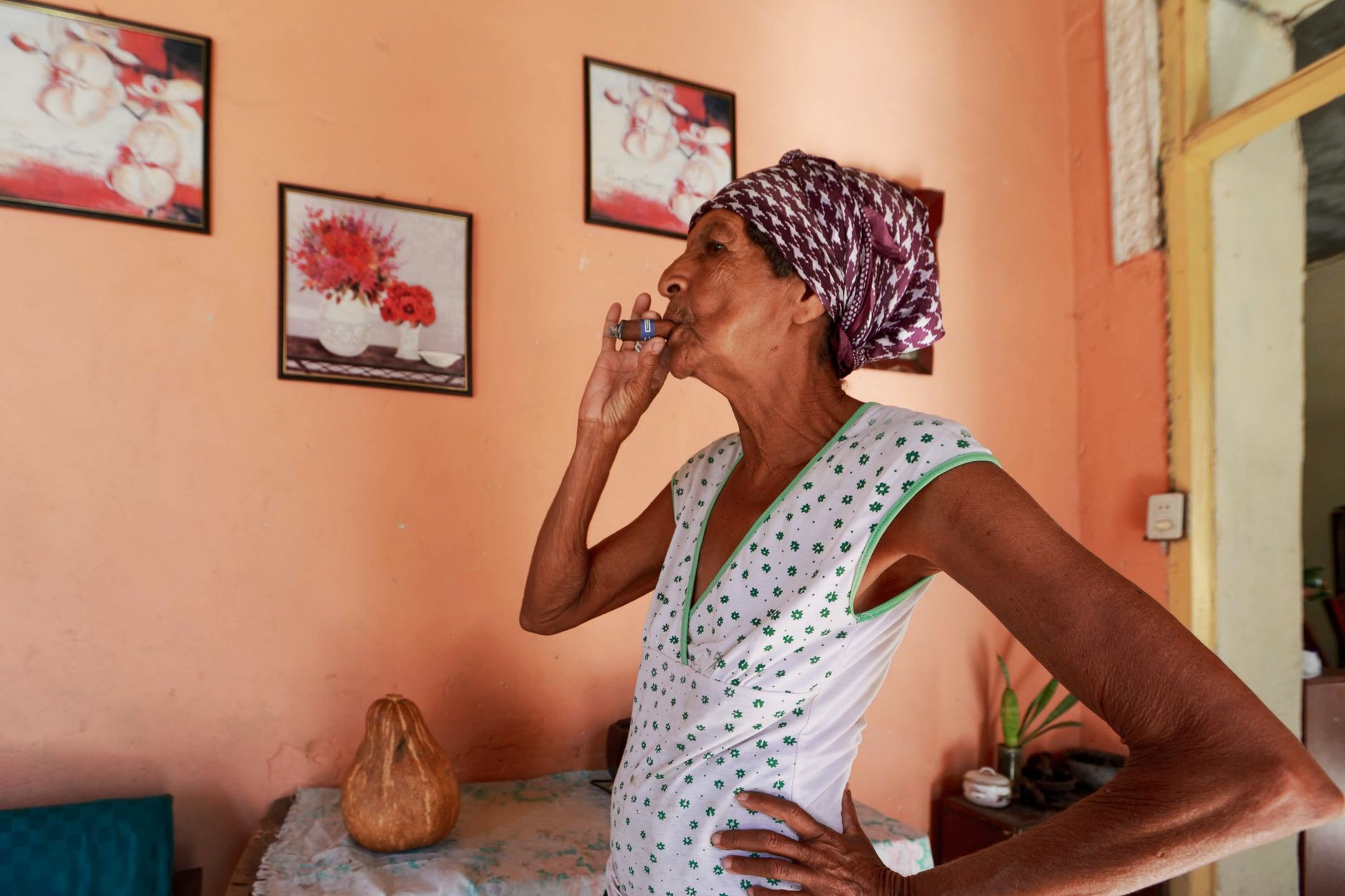
In a small town on the outskirts of São Paulo, three sisters have quietly defied the sands of time. Each of the sisters has crossed the remarkable threshold of 100 years, a milestone that has piqued the interest of scientists eager to unlock the secrets of longevity.
Maria, Luisa, and Teresa, the sisters in question, are not merely surviving; they are thriving. Their daily routines are unremarkable to the casual observer yet may hold the keys to their prolonged vitality. Researchers are now embarking on a journey to uncover whether it is their genetics, lifestyle, or a fortuitous combination of both that has granted them such an extended lease on life.
Longevity research is not new, but it gains a unique dimension when real-life centenarians such as these sisters are involved. Scientists have long debated the roles of diet, exercise, mental health, and social factors in prolonging life. Now, they are keen to see how these elements play out in the lives of Maria, Luisa, and Teresa.
Genetic Treasure Trove
The sisters' family history is a geneticist’s treasure trove. With multiple family members living into their nineties, it’s clear there’s something in their genes worth examining. The research team is conducting detailed analyses, hoping to find markers or mutations that contribute to their longevity.
However, it’s not all down to genetics. The sisters maintain a simple, active lifestyle. They engage in farming, a task that keeps them physically active and mentally engaged. Their diet, rich in local produce and devoid of processed foods, might also play a crucial role.
The Social Connection
Another aspect under scrutiny is the sisters' social environment. They live in a close-knit community, which could provide the emotional support and mental stimulation often linked to longer life spans. The importance of social bonds in longevity is well-documented, and the sisters are a testament to this theory.
The research on the Brazilian sisters might not just benefit the scientific community but could offer broader insights into how lifestyle choices and community ties impact our ageing process. As the world grapples with an ageing population, these discoveries could inform how we approach health and well-being in our later years.