Breakthroughs in Science: A Glimpse at July 2026 Discoveries
As the calendar flips to July, the scientific community finds itself amidst a flurry of activity, unveiling breakthroughs that could potentially alter the course of human advancement. A trio of discoveries has captured the imagination of researchers and laypeople alike, each promising to redefine our understanding of the world.
In the realm of renewable energy, scientists have made significant strides in improving the efficiency of solar panels. A collaborative effort by European researchers has led to the development of a new photovoltaic material that boasts a 30% increase in energy conversion rates. This advancement could prove pivotal in the global shift towards sustainable energy sources, making solar power more accessible and affordable.
Medical Imaging Revolutionised
Meanwhile, in the medical field, a novel imaging technique is set to revolutionise diagnostic procedures. Researchers have introduced a method that uses quantum dots to enhance the clarity and precision of MRI scans. This breakthrough not only improves the accuracy of diagnoses but also reduces the need for invasive procedures, offering a less daunting prospect for patients.
As Professor Jane Smith, a leading figure in the project, remarked, "This development opens up new possibilities for non-invasive diagnosis, potentially saving countless lives through early detection."
Astronomical Discoveries
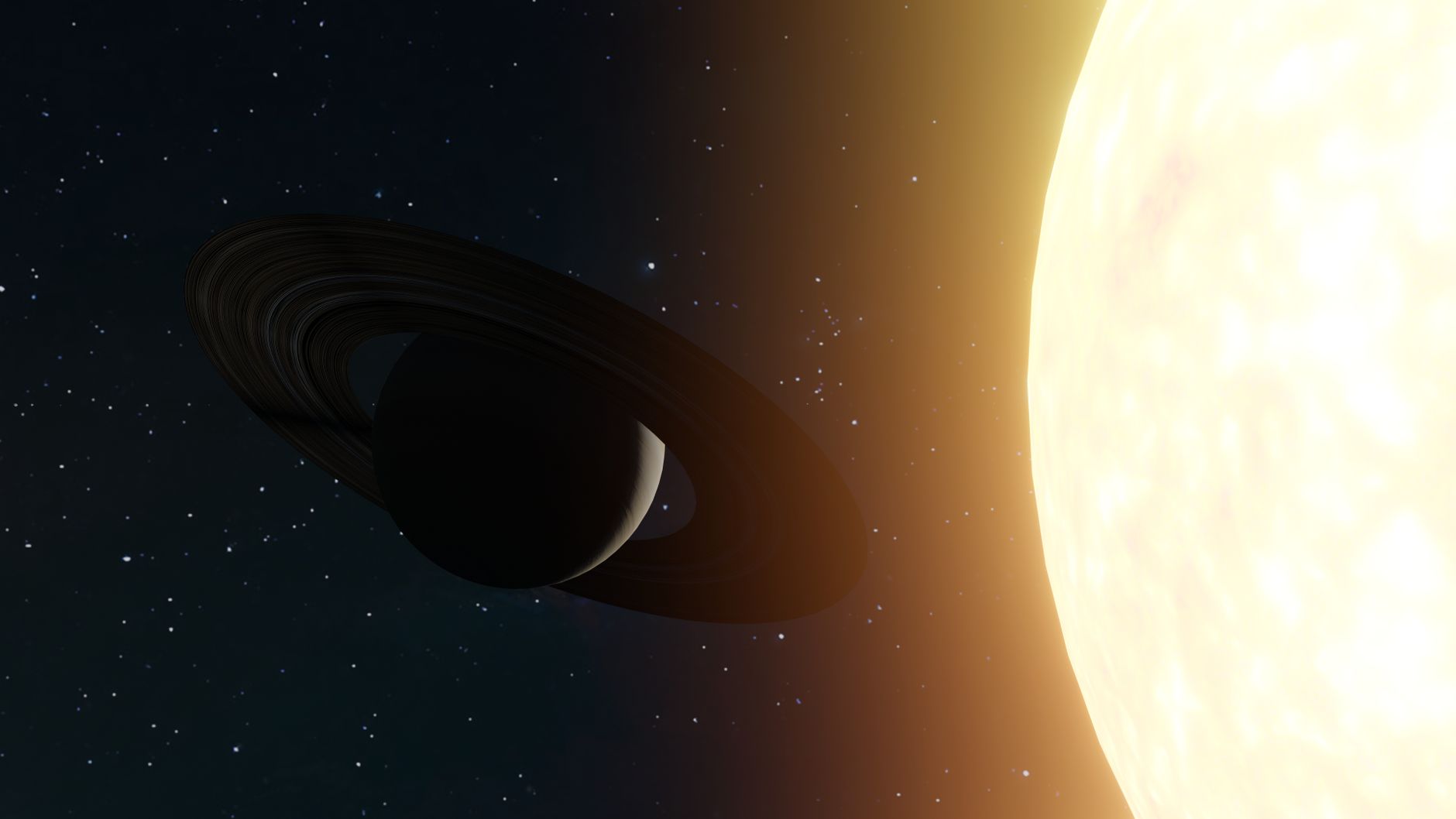
The cosmos, too, has yielded its secrets. Astronomers have identified a new exoplanet that challenges existing theories about planetary formation. Located in a distant galaxy, this celestial body exhibits an unusual orbit and composition, prompting scientists to reconsider the processes that give rise to planets. Such discoveries not only expand our cosmic catalogue but also deepen our understanding of the universe's intricate workings.
These scientific snapshots of July 2026 serve as a testament to humanity's unyielding quest for knowledge. Each discovery, while unique in its field, contributes to a broader picture of progress, demonstrating the interconnectedness of scientific pursuits across disciplines.