British Students Lose Double the Classroom Time of Two Decades Ago
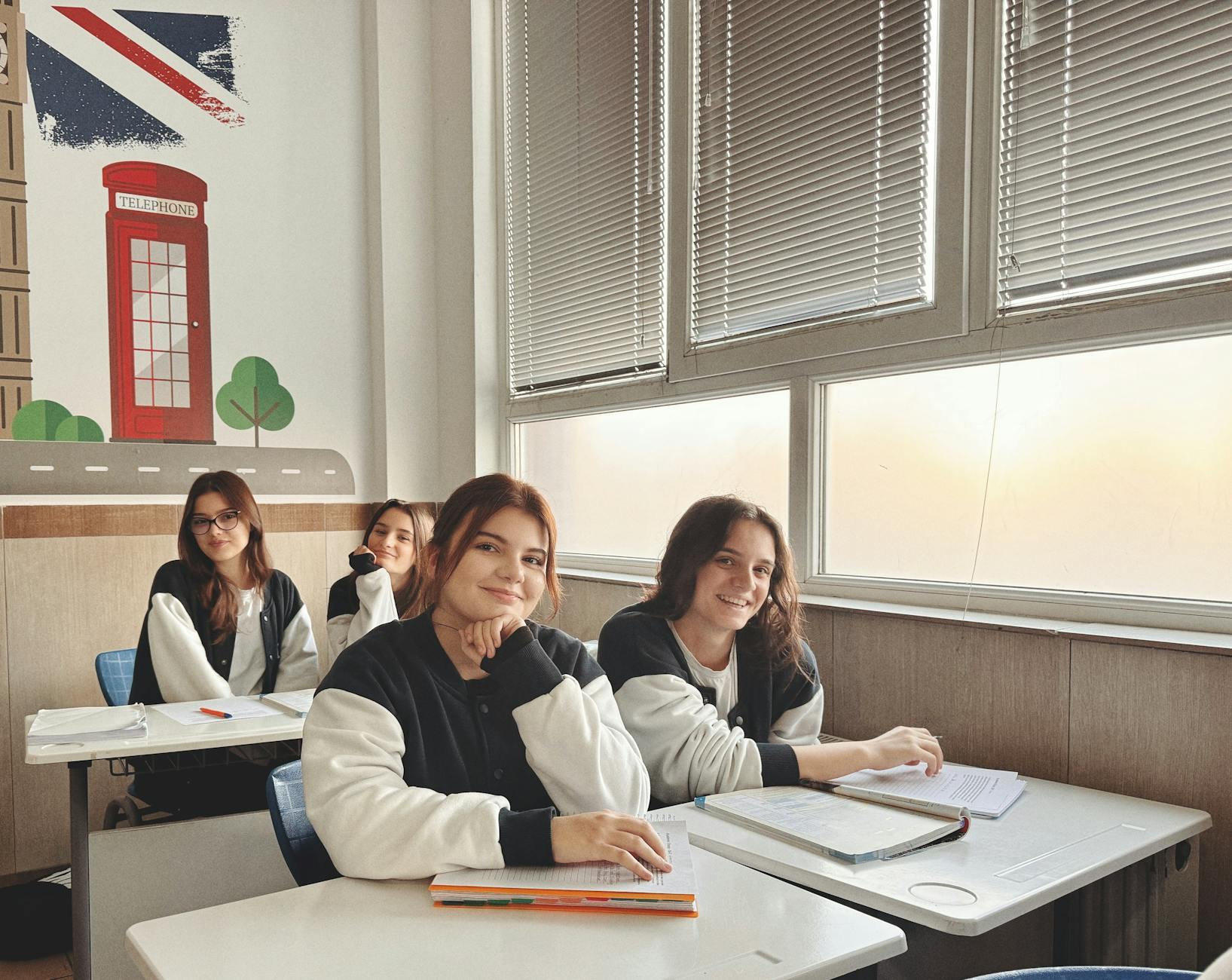
In a stark statistic that has educationalists deeply concerned, British students are reportedly missing twice as much classroom time as they did two decades ago. This trend, emerging amidst a backdrop of increasing school closures and a shift towards digital learning, is causing ripples across the educational landscape.
The past few years have seen an unprecedented rise in the number of days schools have been forced to shut their doors. Whether due to health crises, extreme weather, or industrial action, the disruptions have been frequent and significant. While the advent of technology promised to bridge such gaps with virtual classrooms, the reality has been less than ideal. The digital divide remains a chasm, leaving many students without adequate access to online resources.
The Impact on Learning
The implications of this missed learning time are profound. Academic achievements, particularly in key subjects like mathematics and literacy, have seen noticeable declines. Teachers report students struggling with basic concepts that previous generations mastered more readily. Beyond academics, the social development of children is also at stake. Classroom interactions, vital for building social skills and fostering friendships, are irreplaceable experiences that virtual platforms cannot fully replicate.
Moreover, mental health issues among students have been on the rise, exacerbated by isolation and the pressures of adapting to new learning environments. Schools, once a haven of stability and routine, now mirror the uncertainty of the world outside.
Long-term Consequences
The long-term consequences of this trend are not yet fully measurable, but experts warn of a potential 'lost generation' of students. The gap in knowledge and skills could affect future job prospects and economic outcomes, perpetuating cycles of inequality.
Efforts to address these challenges are underway. Schools are increasingly seeking to implement robust catch-up programmes and better support systems for both students and teachers. However, without a concerted national effort, the problem may persist, affecting not only the current cohort of students but also the educational standards of the nation as a whole.
As the debate continues, one thing remains clear: ensuring consistent and quality education for every child must remain a priority, even in the face of unprecedented challenges.