Building a Resilient Future: Architecture's Role in Mental Health
In the bustling heart of London, where skyscrapers jostle for space and the hum of life never quite fades, a quiet revolution is underfoot. Architects are taking up the mantle of mental health as they reconsider how our built environment can be a bastion against the stressors of a changing climate.
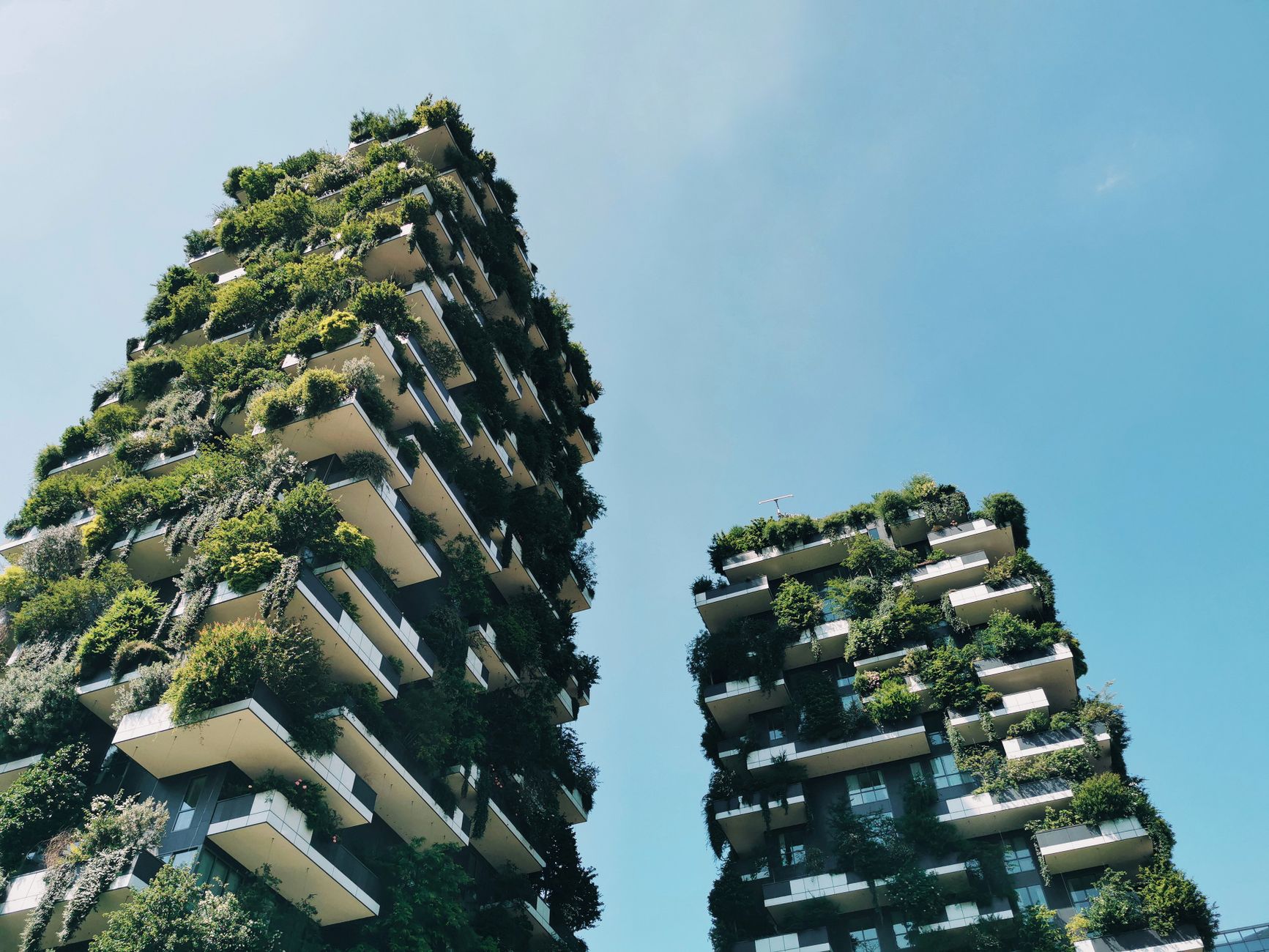
Green spaces are emerging as a crucial element. Studies suggest that access to nature, even in urban settings, can significantly alleviate stress and improve mood. Incorporating parks, rooftop gardens, and living walls into cityscapes might seem like a nod to aesthetics, but it serves a deeper purpose. These green oases provide not just a respite from the concrete jungle but also act as natural air purifiers, mitigating the urban heat island effect exacerbated by climate change.
Furthermore, the materials used in construction are under scrutiny. Sustainable materials not only help in reducing the carbon footprint but also have a psychological impact. Natural light, wood, and other organic materials can create calming environments, reducing anxiety and promoting well-being.
Community-Centric Designs
Modern urban planning is increasingly focusing on community-centric designs. By fostering social interaction through communal spaces and pedestrian-friendly layouts, planners aim to combat the isolation often felt in large cities. This is particularly important as climate change can lead to more frequent extreme weather events, rendering traditional outdoor socialising less feasible.
The importance of this approach cannot be overstated. As temperatures rise, mental health issues linked to climate anxiety are becoming more prevalent. The built environment, therefore, must evolve not just to survive environmental changes but to actively support and enhance the mental resilience of its inhabitants.
While architects and planners are only one piece of the puzzle, their role is pivotal. By designing spaces that address both environmental sustainability and mental health, there's hope for creating urban environments that are as restorative as they are resilient.