Call for Aravalli Committee to Be Reformed Amidst Definition Dispute
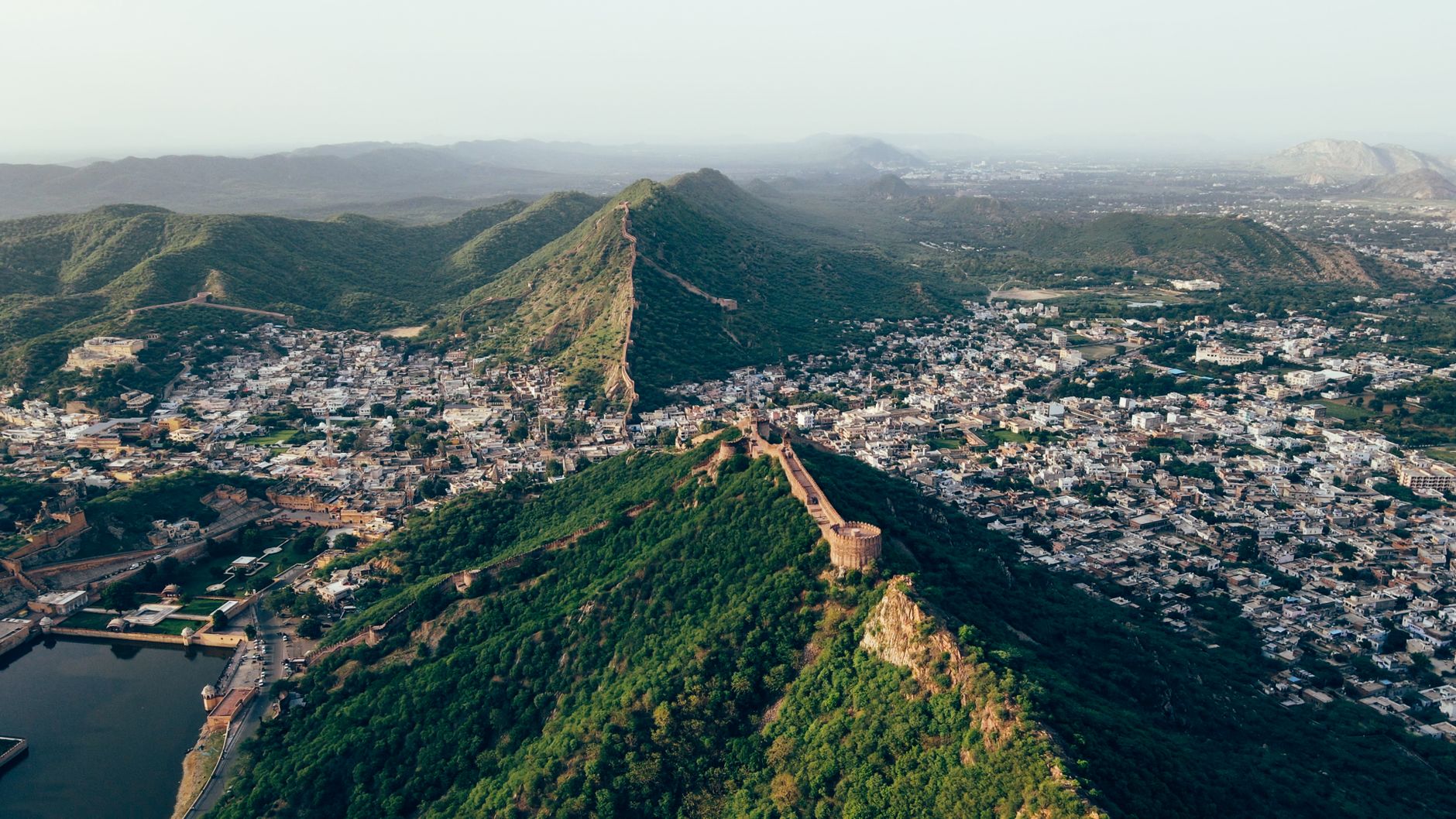
The battle over the fate of the Aravalli hills has taken a new turn, as scientists and environmental groups call upon the Supreme Court to rethink its approach to defining these ancient mountains. In a letter to the Chief Justice, experts have expressed their dismay over the composition of the current committee tasked with reviewing the Aravalli definition.
The crux of the issue lies in the committee’s reliance on a 100-metre height threshold. Critics argue that this criterion is both arbitrary and insufficient, potentially leaving large swathes of the Aravallis vulnerable to mining and other forms of exploitation. The Aravallis, stretching across Gujarat, Rajasthan, Haryana, and Delhi, are not merely hills but a critical ecological bastion. They serve as a natural barrier against desertification, a vital aquifer, and a wildlife corridor.
Ecological Concerns
Environmentalists have long warned that the degradation of the Aravallis could have catastrophic consequences. The range plays a pivotal role in preserving the delicate balance of ecosystems in northern India. Its forests and grasslands are home to diverse flora and fauna, many of which are unique to the region. Moreover, the hills are crucial in preventing the encroachment of the Thar Desert.
Yet, the Supreme Court’s now-stayed definition based on height could undermine decades of environmental conservation work. Scientists argue that the definition fails to consider the geological and ecological complexities of the hills, which have stood as sentinels for over a billion years.
Call for Independence and Expertise
The letter to the Chief Justice underscores the need for a committee that is both independent and equipped with the requisite expertise to handle such a sensitive issue. The signatories, which include prominent environmentalists and a retired senior forest officer, assert that the current panel lacks the necessary credentials and independence to make unbiased decisions.
Reforming the committee, they argue, is crucial not only for the protection of the Aravallis but also for fostering a more informed and nuanced understanding of India’s environmental challenges. As the debate continues, the role of the Aravallis as a cornerstone of ecological and geological stability in the region remains precarious.