Calls for Resignation: Scholars Challenge Education Minister Over Exam Fiasco
In the hallowed halls of academia, where patience often prevails over passion, a rare fervour has emerged. An open letter signed by a cohort of esteemed scholars and activists has called for the resignation of India's Union Education Minister, Dharmendra Pradhan. At the heart of their grievance lies the bungling of major examinations, particularly the National Eligibility cum Entrance Test (NEET), which has left students and parents in a state of upheaval.
The letter, underscored by the signatures of retired professors from Jawaharlal Nehru University and noted activist Sonam Wangchuk, accuses the minister of failing to uphold the sanctity of the examination process. "To resign would be the honourable course," they decree, their words echoing the sentiments of thousands who have been disenfranchised by repeated technical glitches and organisational lapses.
Technical Glitches and Organisational Lapses
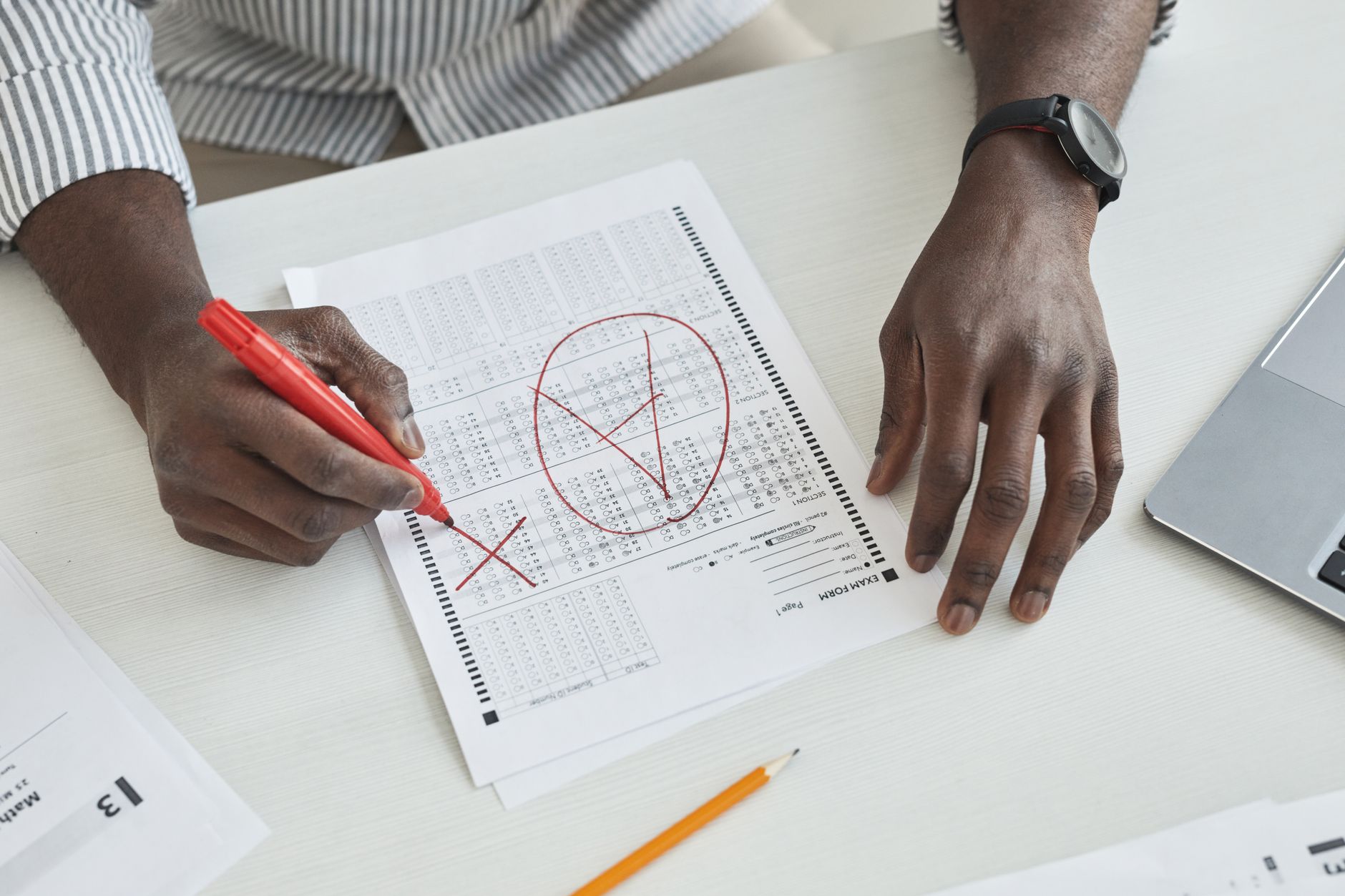
NEET, alongside other pivotal exams, has been marred by a series of technical failures — from server crashes to erroneous question papers. These issues have not only disrupted schedules but have also sown seeds of doubt regarding the integrity of the examination system. The scholars argue that such recurrent mismanagement reflects poorly on the minister's leadership and the government's broader commitment to educational excellence.
Protests have erupted at New Delhi's Jantar Mantar, where activists and students have gathered in solidarity. Leading the charge is Sonam Wangchuk, who, on his ninth day of hunger strike, symbolises the relentless pursuit of accountability. His deteriorating health has brought further attention to the cause, amplifying calls for the minister's resignation.
A Broader Crisis of Confidence
This episode is not merely about the logistical failings of a few examinations; it is indicative of a broader crisis of confidence in the educational apparatus. With education being a foundational pillar of any society, the stakes are undeniably high. The scholars' demand for resignation is as much a call for reform as it is for accountability.
As the situation unfolds, the pressure mounts on Dharmendra Pradhan to respond decisively. Whether he chooses to step down or to rectify the systemic issues at play will set a precedent for how educational mismanagement is addressed in India. For now, the nation watches, waiting to see how this academic drama will conclude.