Can Cockatoos Grasp Death? Scientists Seek Answers
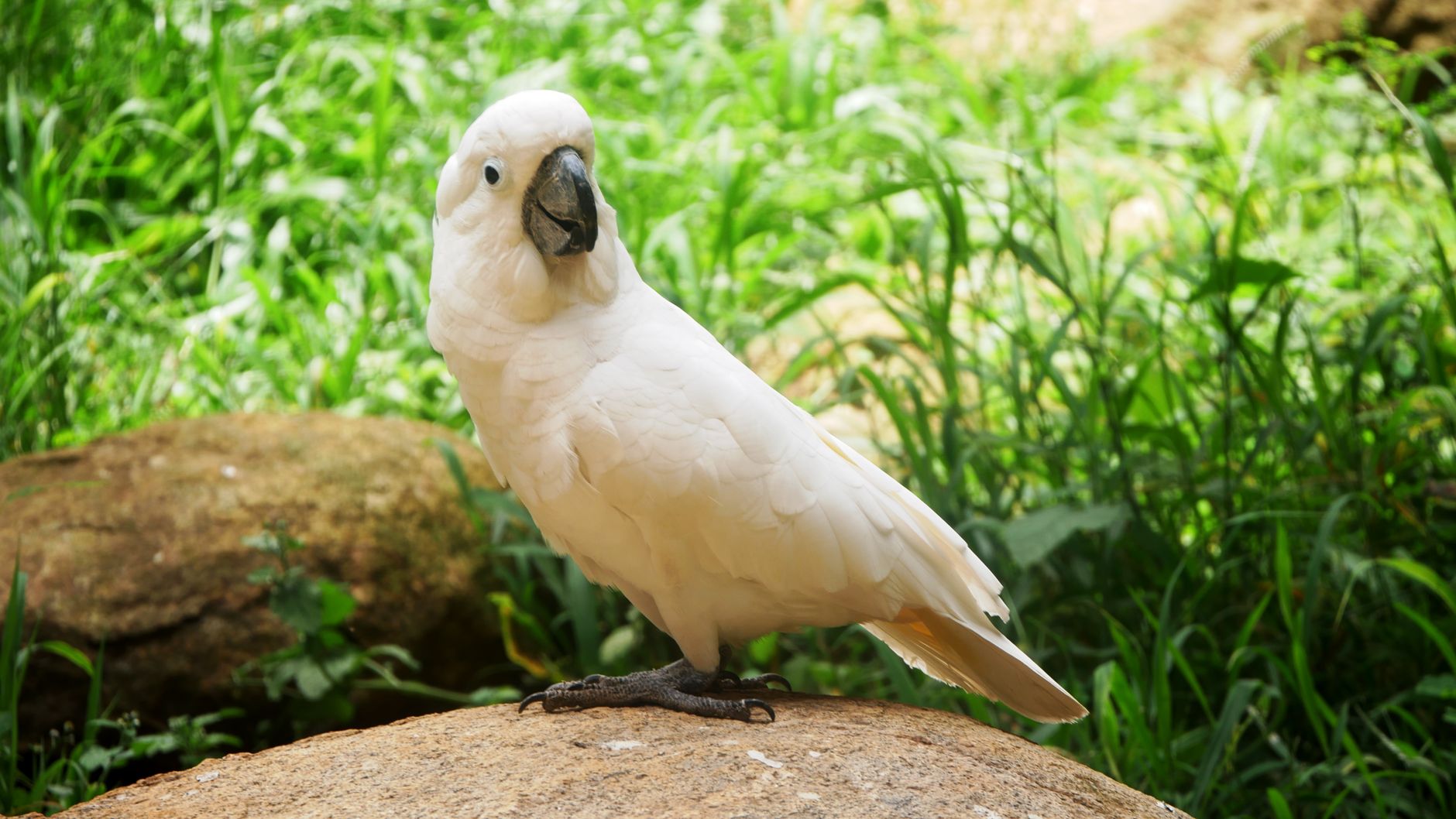
In the quest to decode the mysterious minds of animals, scientists have turned their attention to an unlikely candidate: the Goffin's cockatoo. These lively parrots, known for their intelligence and problem-solving skills, are now at the centre of a study exploring their understanding of death.
While the notion of animals perceiving death is not entirely new, the focus on cockatoos adds a fresh perspective. Unlike elephants or primates, whose mourning behaviours have been documented, cockatoos present a different cognitive challenge. Researchers are curious to see whether these birds, with their complex social lives, can comprehend the idea of permanent non-functionality—a concept that challenges even some humans.
The Experiment Unfolds
Over the next few months, these cockatoos will be observed in controlled environments, where their reactions to deceased conspecifics will be meticulously recorded. The objective is to determine if the birds exhibit behaviours that indicate an understanding of death beyond instinctual responses.
Dr. Barbara King, an expert in animal cognition, suggests that such studies could offer profound insights into the emotional lives of birds. "If cockatoos demonstrate an understanding of death, it could reshape our perceptions of intelligence across species," she notes. This research could potentially unveil layers of emotional complexity previously unimagined in avian species.
Why It Matters
The implications of this study extend beyond scientific curiosity. Understanding how animals perceive death could impact conservation strategies and animal welfare policies. If we recognise that certain species experience grief, it may alter how we approach habitat destruction, poaching, and captivity.
While the study of animal grief is in its infancy, it raises ethical questions about our relationship with animals. Are they mere creatures of instinct, or do they possess an emotional depth akin to our own? As scientists continue to unravel these mysteries, one thing is clear: the answers could redefine our connection to the natural world.