Can India's Waste Fuel a Renewable Energy Revolution?
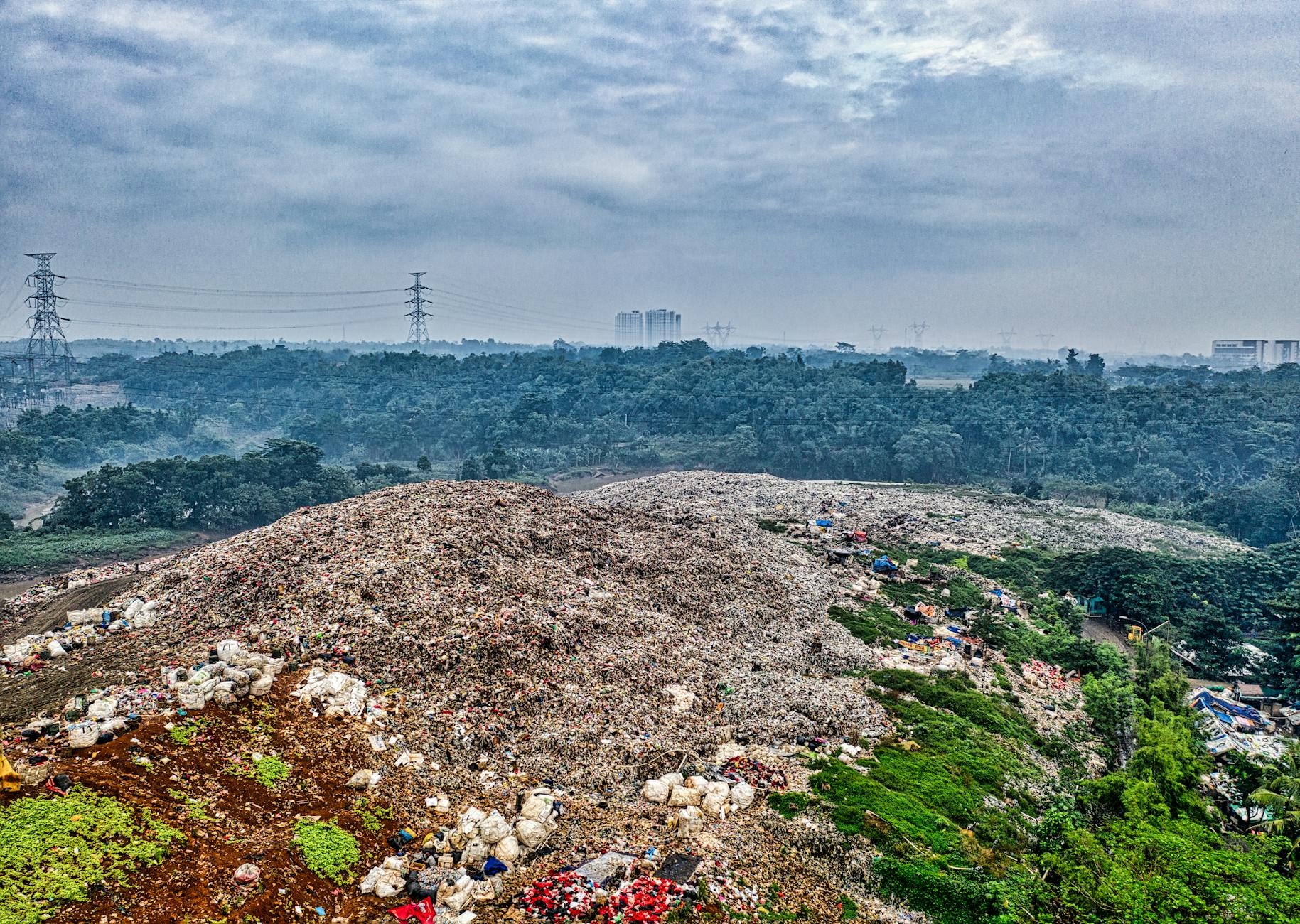
In the crowded streets of Delhi, where air pollution often forms a grey veil over the city, a quiet revolution might just be brewing from the most unlikely of sources: waste. As India faces an energy conundrum that threatens both its development and the global climate, turning organic waste into bioenergy is emerging as a beacon of hope.
India's burgeoning population and industrial growth have placed enormous demands on its energy sector. Traditionally reliant on coal, the nation's efforts to modernise its energy infrastructure are now at a crossroads. The global call for climate responsibility has pressed India to explore alternative, sustainable energy avenues.
Enter bioenergy technologies like gasification and anaerobic digestion. These processes transform organic waste into valuable energy resources, offering a viable substitute for fossil fuels. Gasification converts waste into a gas that can be used for power generation, while anaerobic digestion breaks down organic matter to produce biogas, which can be used directly as fuel or converted into electricity.
Challenges and Opportunities
Despite the promise bioenergy holds, the path to widespread implementation is fraught with challenges. Infrastructure development, regulatory frameworks, and public awareness are critical hurdles that must be overcome. Aditya Pyasi, CEO of the Indian Wind Turbine Manufacturers Association, emphasises that for bioenergy to flourish, it must be integrated with other renewable sources like wind to create a diversified energy portfolio.
"India’s renewable energy transition must be built on both scale and inclusivity," Pyasi noted during a recent energy expo in New Delhi. "Stronger community participation and more integrated execution models will be crucial for sustainable growth."
The Bigger Picture
The potential of bioenergy extends beyond merely filling the energy gap. By converting waste into energy, India can address two pressing issues simultaneously: energy security and waste management. This dual benefit positions bioenergy as a central pillar in India's strategy for a sustainable future.
As policymakers and industry leaders converge on this new frontier, the integration of bioenergy technologies with existing renewable resources could mark a significant step in the global fight against climate change. India's journey to energy self-sufficiency and environmental stewardship may well find its roots in the very waste it seeks to eliminate.