BSNL's Indigenous 4G Network Propels India to Global Telecom Heights
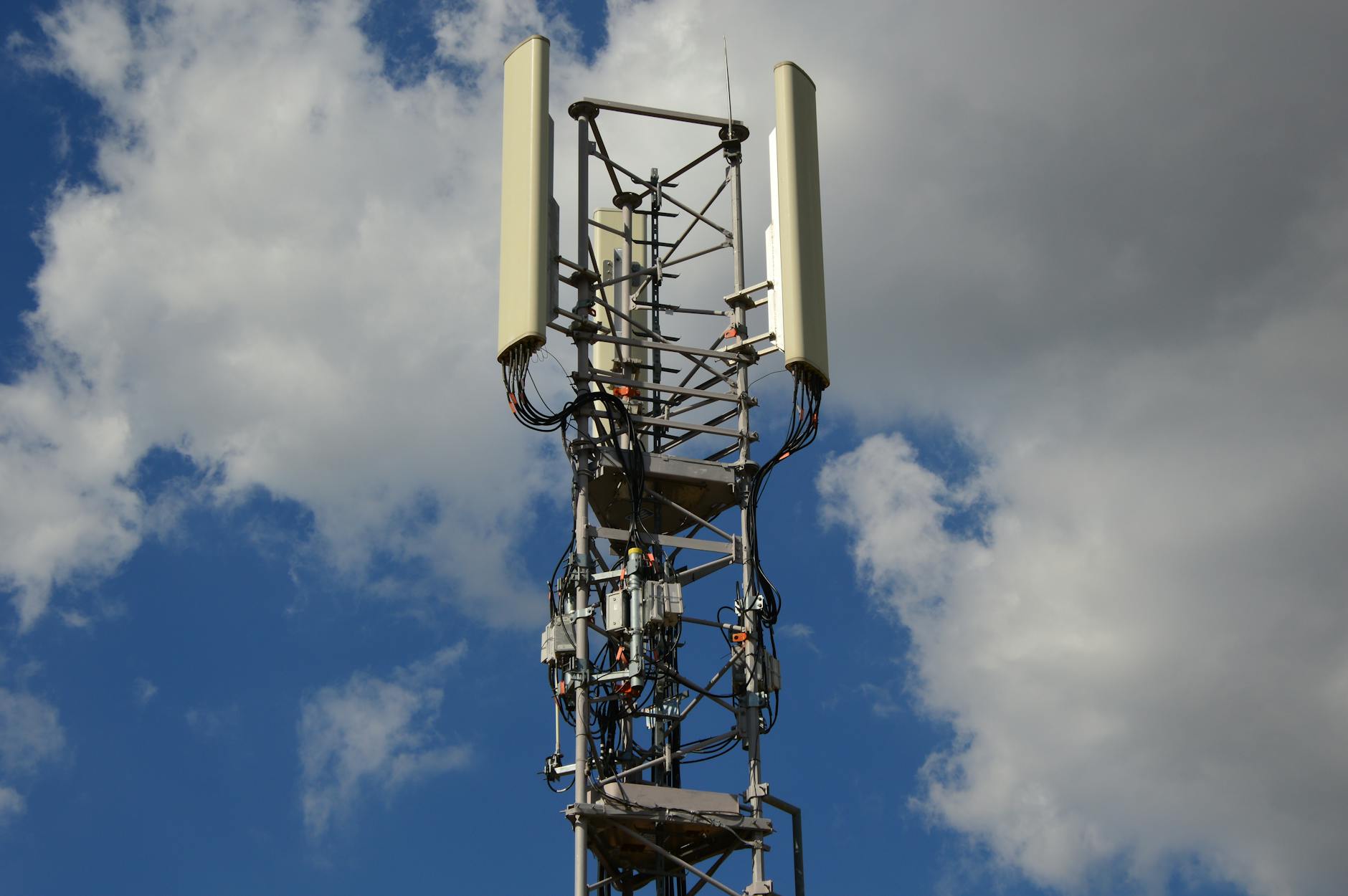
In a triumph for Indian technology, Bharat Sanchar Nigam Limited (BSNL) has successfully honed its indigenous 4G network, elevating India to the fourth rank globally in telecom expertise. This achievement, declared recently in Parliament, marks a significant milestone in India's march towards technological self-sufficiency.
The state-run telecom operator is poised to roll out an impressive one lakh indigenously developed 4G sites across the nation. Such a vast expansion not only bolsters India's domestic capabilities but also challenges the dominance of private telecom giants in the sector.
A Leap Towards Self-Reliance
BSNL's advancement in 4G technology is a testament to India's innovative spirit and determination to reduce dependence on foreign technology. The development comes as a breath of fresh air amidst a market traditionally dominated by private players like Airtel and Reliance Jio, known for their speed and extensive networks.
While Airtel holds the crown for the fastest 3G and 4G speeds, BSNL's indigenous 4G network signifies an essential step towards an equitable telecom landscape.
Strategic Implications
The strategic implications of BSNL's success are manifold. First, it signals a shift in the global perception of India as a technology powerhouse. Secondly, it provides a blueprint for other state-run enterprises aiming to innovate and compete on a global scale.
Moreover, as BSNL prepares to launch its 4G services within six months, there is anticipation about the impact on consumer choice and pricing. The potential for improved coverage and competitive pricing could indeed alter the dynamics of India's telecom market.
As the telecom sector evolves, BSNL's ambitious plans could very well serve as a catalyst for further technological advancements and economic growth in India. This development, while not without challenges, is a promising indicator of India's future in the global telecom arena.