Can We Achieve Sustainable Living for All?
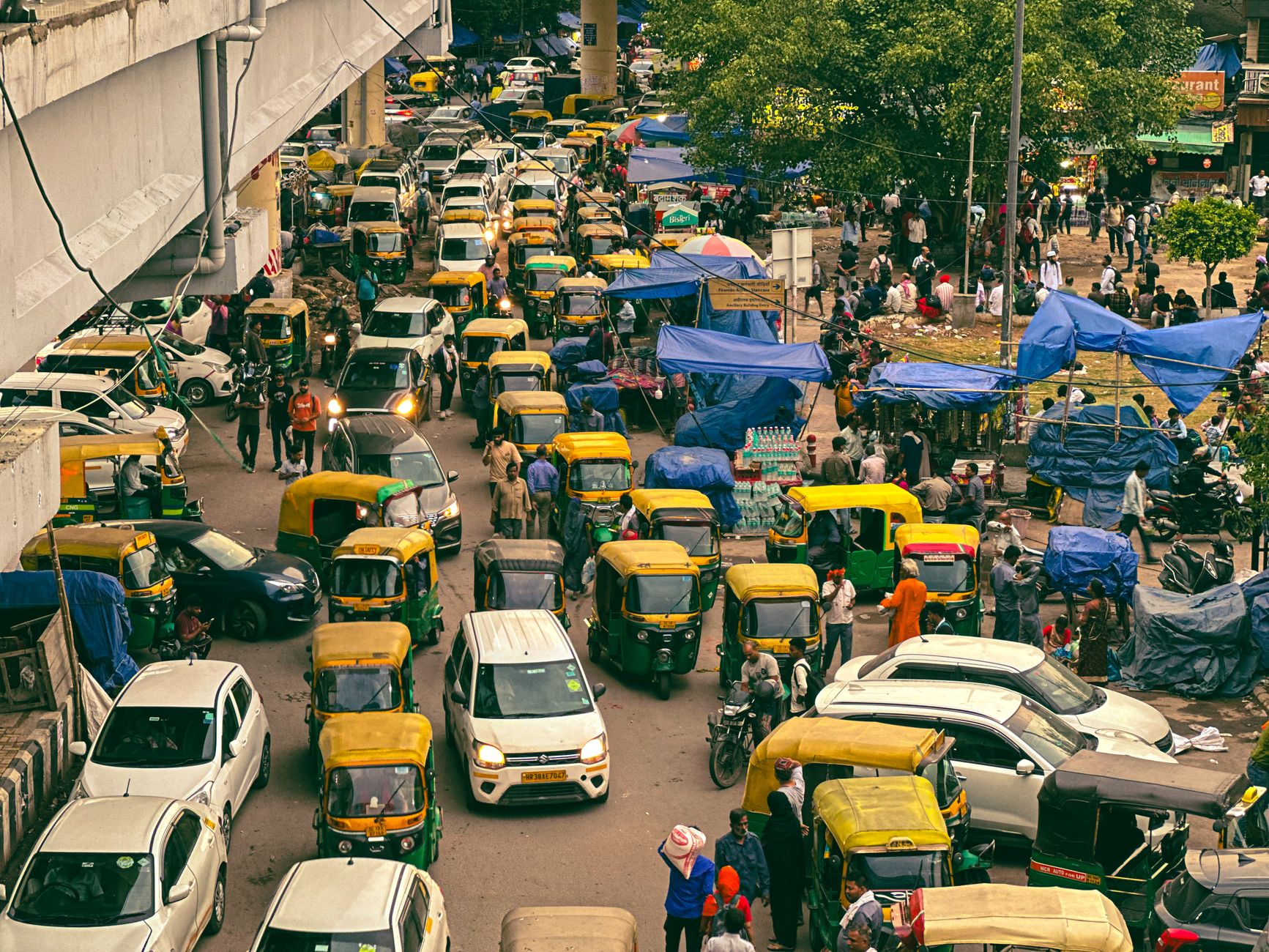
As climate change continues to dominate headlines, the notion of a 'good life' for all without compromising the planet's health becomes a pressing concern. With global populations surging towards eight billion and counting, questions of sustainability are no longer the preserve of environmentalists alone.
Living a 'good life' has traditionally implied increased consumption — more travel, larger homes, and an abundance of goods. However, such aspirations are increasingly at odds with the finite resources of our planet. Scientists and policymakers alike are grappling with the challenge of enabling economic growth while ensuring ecological balance.
The Economic Dilemma
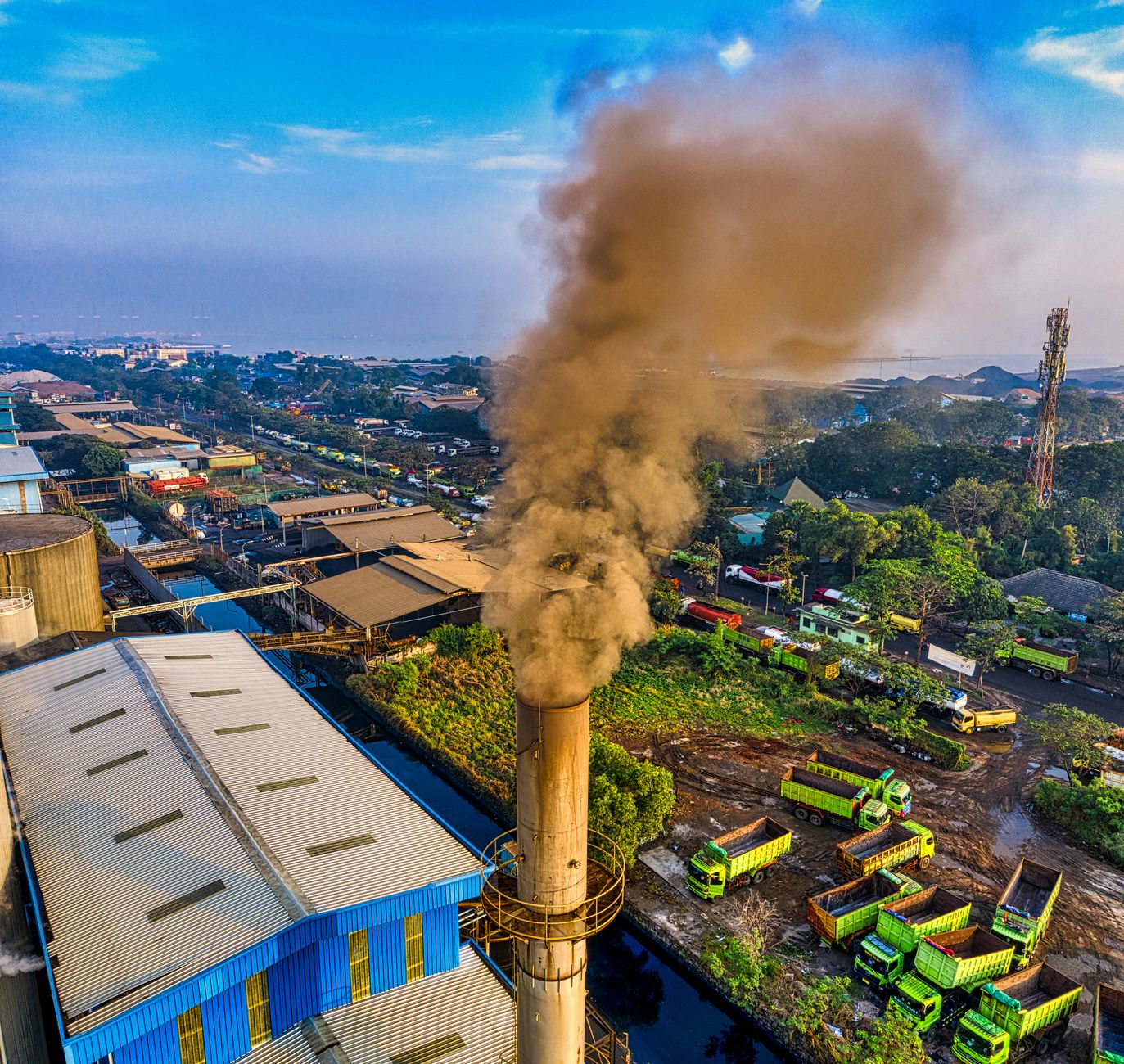
Economic growth has long been hailed as a panacea for poverty and inequality, but it often comes at a steep environmental cost. Industries, in their bid to maximise profit, frequently rely on practices that deplete natural resources and contribute to pollution.
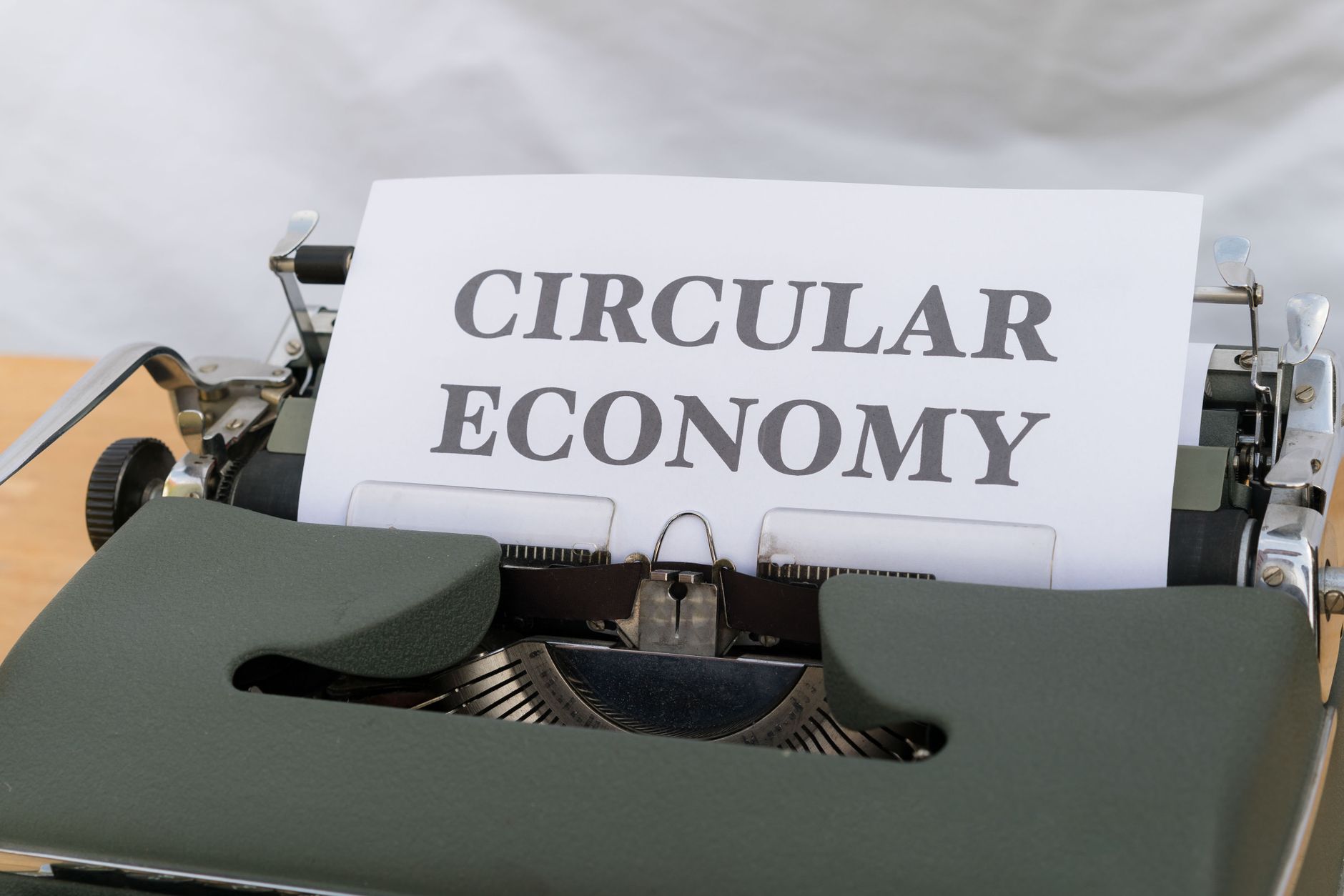
Some argue for a paradigm shift towards a circular economy, where waste is minimised, and products are designed for longevity. This model promises not only sustainability but also innovation, potentially creating jobs in emerging green sectors.
Policy and Innovation
Governments worldwide are increasingly recognising the need for stringent environmental policies. Renewable energy incentives, carbon taxes, and subsidies for sustainable practices are gaining traction. Yet, policy alone may not suffice. Technology and innovation are crucial in driving the change required.
From solar panels to electric vehicles, technological advancements offer hope for a sustainable future. However, the widespread adoption of such technologies requires investment and infrastructure — a hurdle for many developing nations.
Ultimately, achieving a good life for all without destroying the planet demands a collective reimagining of what prosperity truly means. It calls for global collaboration, innovative thinking, and a willingness to redefine success in less material terms.