Canada's Unique Toad: A Leap into Genetic Mystery
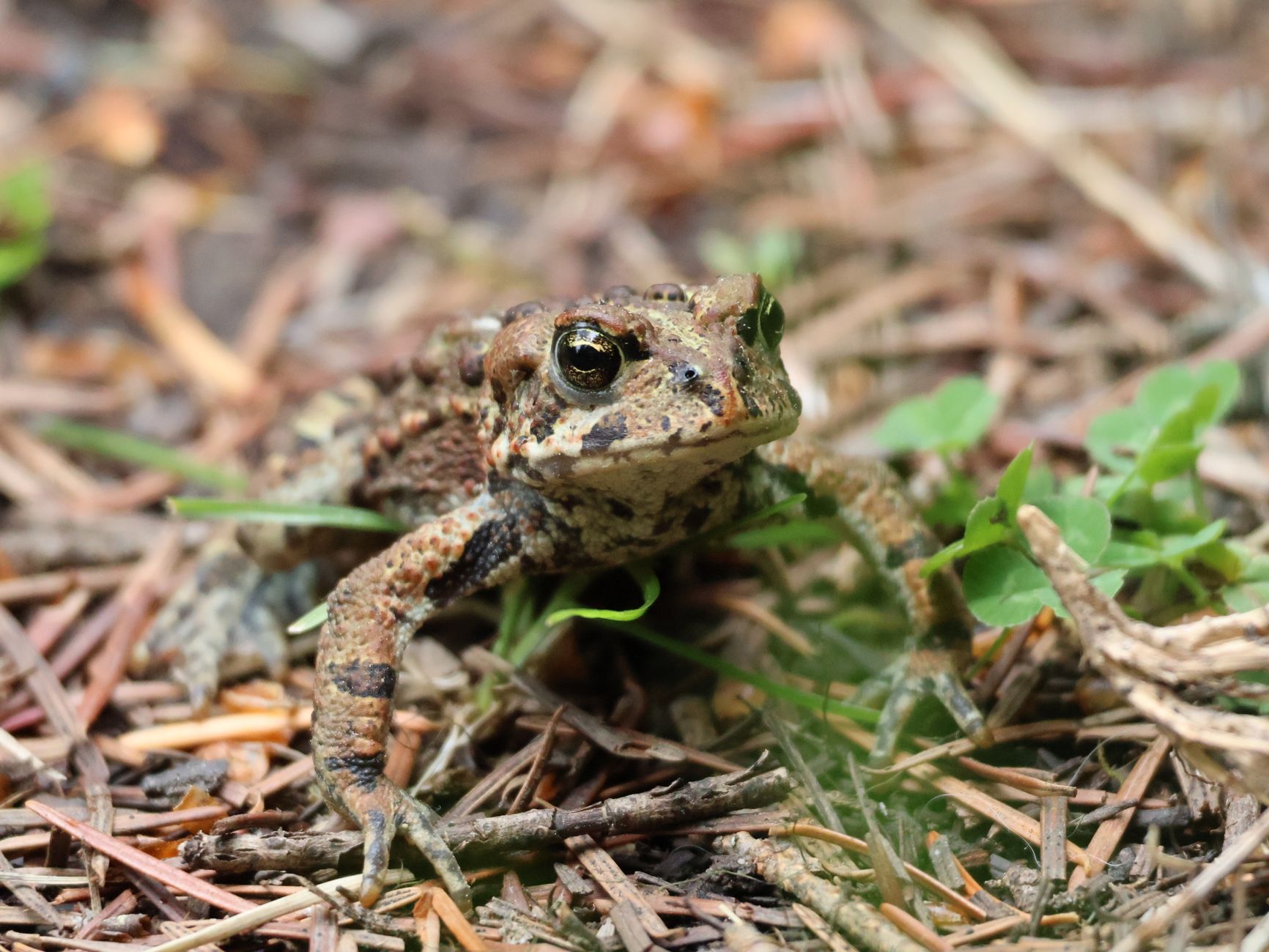
In a discovery that could rival the significance of the beaver or moose on Canadian iconography, scientists have unveiled a new chapter in the natural history of Canada. A population of genetically unique western toads, found solely within Canadian borders, has emerged as a topic of fascination and inquiry among the scientific community.
These amphibians inhabit the Great Basin region, an area known for its arid conditions, receiving a mere 13 inches of rain annually. Despite the inhospitable climate, these toads have carved out a niche existence, thriving where few others do. Their survival is a testament to the resilience and adaptability of life.
Dr. Emma Collins, a lead researcher in the study, remarked, "The discovery of this genetically distinct population of toads is not just a scientific curiosity; it represents a profound opportunity to understand evolutionary processes in isolated environments." The toads' unique genetic markers suggest a long history of adaptation, possibly in response to the specific environmental pressures of the Great Basin.
The implications of this discovery extend beyond the academic. Understanding the genetic uniqueness of these toads can offer broader insights into biodiversity and conservation efforts. In an era where amphibian populations are declining globally, the Canadian western toad population stands as a beacon of hope and a reminder of nature's complexity.
Yet, the path ahead is fraught with challenges. Conservationists must now grapple with how best to protect these toads in their natural habitat, ensuring their continued survival amid changing climatic conditions. The findings have prompted calls for increased protection measures in the region, aiming to safeguard this newfound genetic treasure.
As the world grapples with biodiversity loss, Canada's unique toad population offers a glimmer of optimism. It is a reminder that even in the most unlikely of places, nature's ingenuity flourishes, waiting to be discovered by those who dare to look closely.