Canadian Farms Face Expanding Challenges Amidst Rising Costs
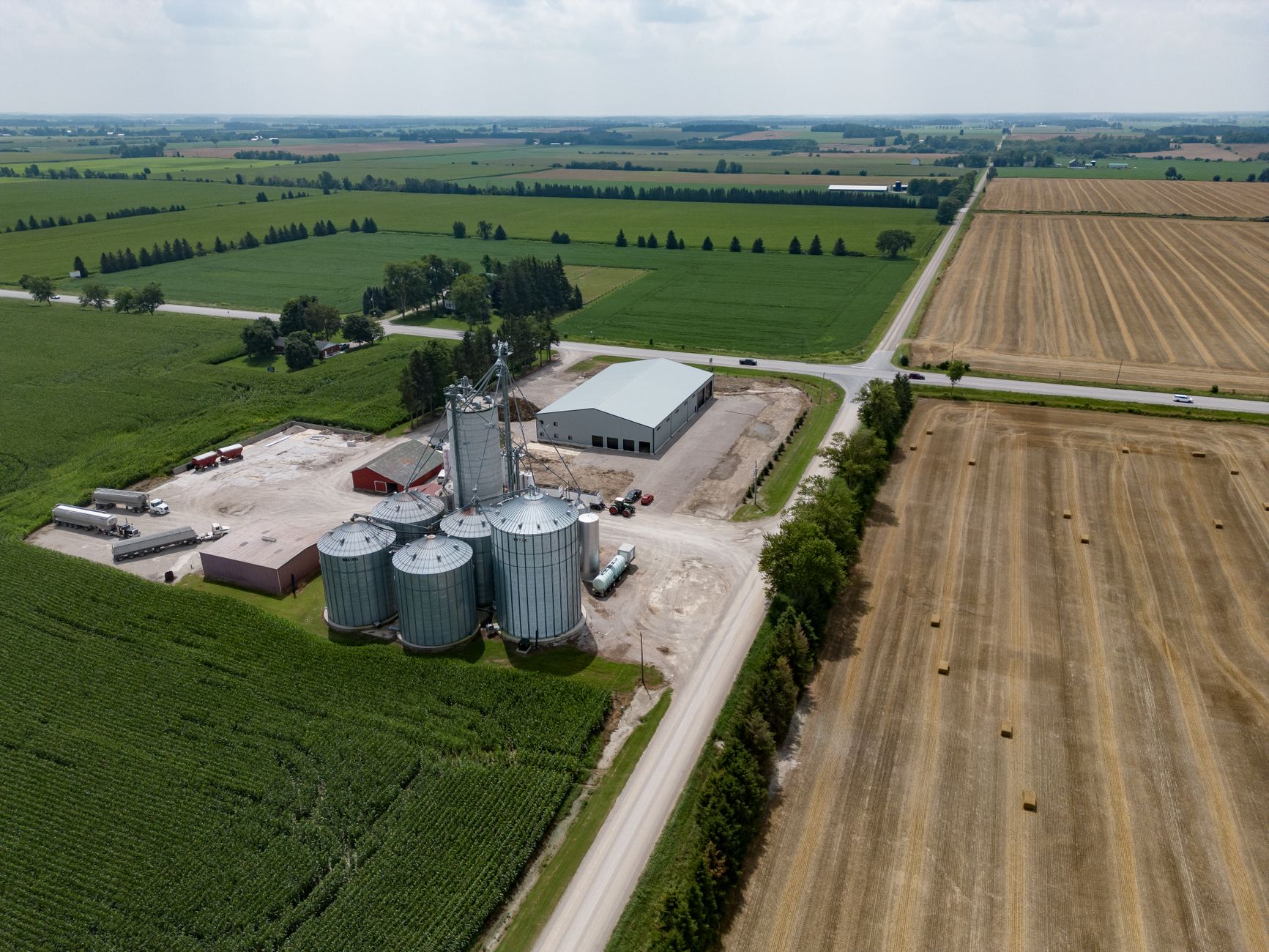
In the heart of Canada's vast prairies, a quiet crisis is brewing. The gentle hum of tractors belies the financial turmoil facing many farmers. As the cost of seeds, fertilisers, and machinery continues to skyrocket, Canadian farms are being pushed towards expansion as a means of survival.
To put things into perspective, the average value of machinery per farm has surged dramatically from $213 in 1901 to over $278,000 in 2016, even after adjusting for inflation. Such figures underscore a harsh reality: to stay competitive, farmers are compelled to invest heavily in state-of-the-art equipment and high-yield seeds, often at the cost of plunging deeper into debt.
The Environmental Toll
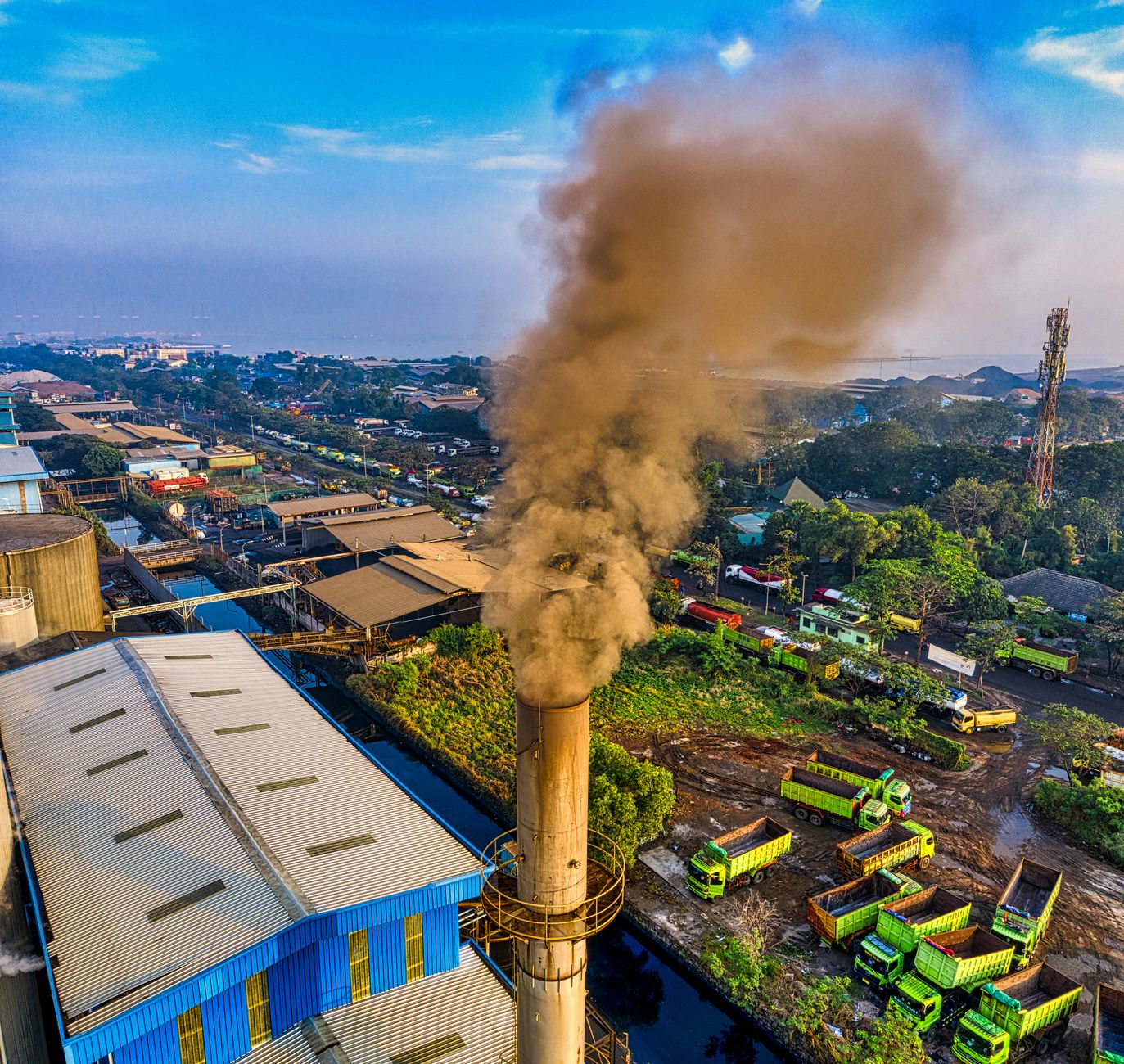
While economic pressures are mounting, the environmental impact of relentless farm growth cannot be ignored. Expanding farms often result in increased use of chemical fertilisers and pesticides, which, although boosting productivity, also pose a significant threat to local ecosystems. Soil health, water quality, and biodiversity are all at risk.
This relentless drive for expansion is not without consequence. It places Canadian farmers in a precarious position, caught between the need to increase output and the imperative to preserve the environment. Moreover, as farms grow, the carbon footprint associated with agricultural practices, including the use of heavy machinery, also swells, further contributing to environmental degradation.
A Path Forward?
For Canadian agriculture, the path forward remains fraught with challenges. There is a pressing need for sustainable farming practices that balance productivity with environmental stewardship. Government initiatives aimed at supporting smaller farms and investing in green technology could provide much-needed relief.
Ultimately, the survival of Canadian farms hinges not just on their ability to grow larger but to grow smarter. As they navigate these turbulent times, the hope is that innovation and sustainability will guide the way, ensuring that Canada continues to enjoy fresh, locally grown produce without compromising its natural heritage.