CBSE Enforces Three-Language Policy for Class IX from 2026
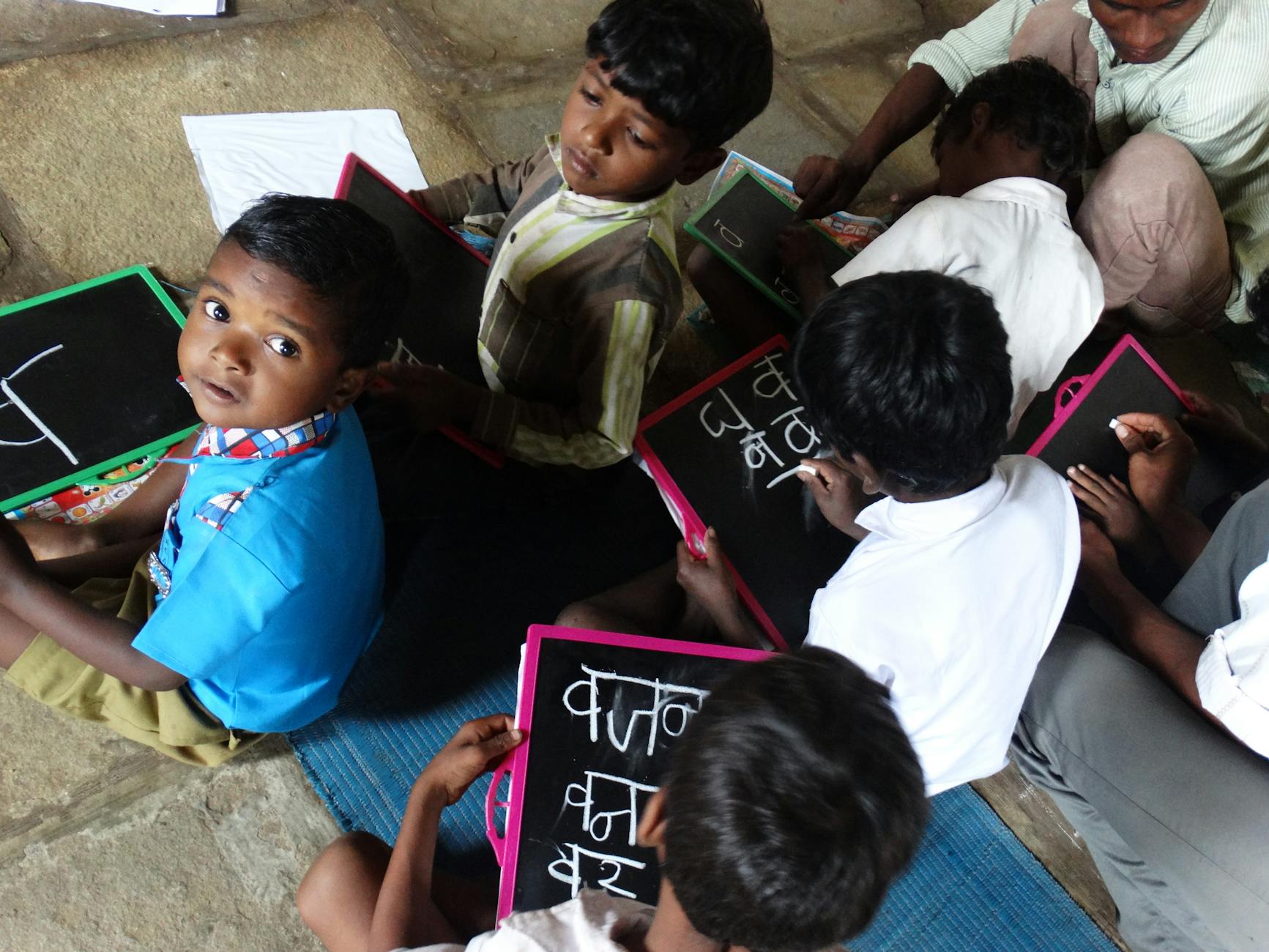
The Central Board of Secondary Education (CBSE) has announced a transformative move to implement a three-language policy for students of Class IX starting July 2026. This significant change is part of an effort to align with the National Education Policy (NEP) 2020, which underscores the importance of multilingual education in fostering greater cultural understanding and cognitive development among young learners.
Under the new directive, students will be required to study three languages, with the stipulation that at least two must be native Indian languages. The third language, while mandatory, will not be subject to the pressures of Board examinations. Instead, schools will conduct assessments, shifting the focus from rote learning to genuine linguistic acquisition.
Educationists have lauded this initiative as a step forward in embracing India's rich linguistic heritage. "This policy not only preserves our languages but also broadens students' horizons," remarked a language expert, adding that learning multiple languages can enhance cognitive abilities and cultural empathy.
While the policy introduces new opportunities, it also presents challenges, particularly in regions where resources for teaching certain languages may be limited. Schools will need to ensure that they have qualified teachers and adequate materials to effectively deliver the curriculum.
This initiative is expected to better prepare students for a globalised world, where multilingual skills are increasingly valuable. As India moves towards the 2026 deadline, educators and policymakers will closely monitor the rollout to ensure it achieves its intended goals without overwhelming students and teachers alike.