CBSE's New Language Mandate: A Shift in Indian Education
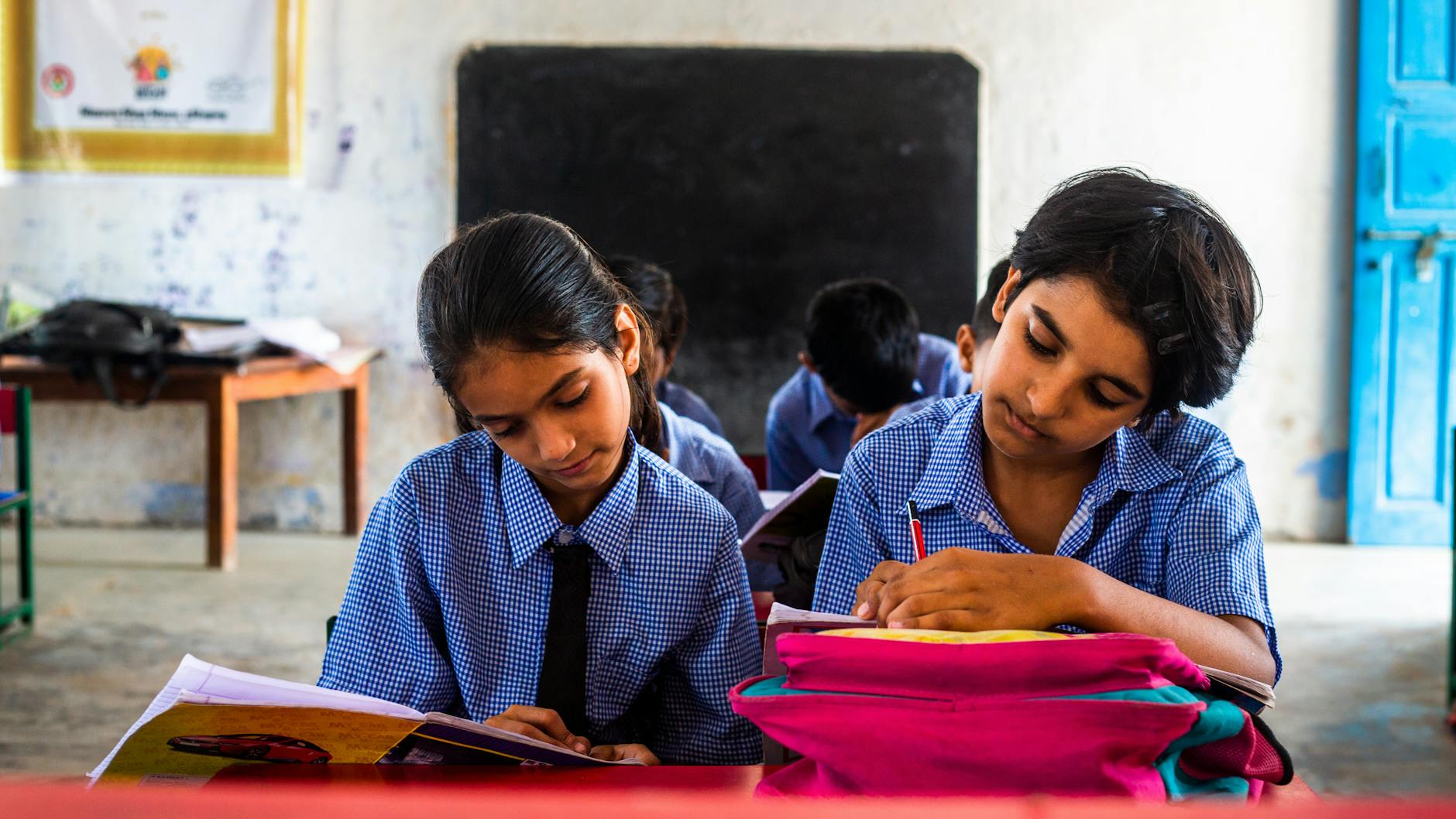
The Central Board of Secondary Education (CBSE) has announced a significant overhaul in its language curriculum for secondary education, heralding a new era of linguistic diversity. From July 2026, students in Classes 9 and 10 will be required to study three languages, with at least two being native Indian tongues. This policy, part of the broader National Education Policy 2020, aims to foster a deeper cultural and linguistic understanding among students.
While the move is seen as a step towards embracing India's rich tapestry of languages, it also raises logistical concerns. Schools across the country now face the challenge of implementing this change, especially in regions where resources for teaching diverse languages are limited. However, the CBSE has clarified that the third language will be assessed internally, thereby reducing the pressure of board examinations in an already burdened academic calendar.
Embracing Linguistic Diversity
This policy shift underscores the NEP 2020's vision to nurture multilingualism as a core component of education. By learning multiple languages, students can develop a more nuanced understanding of India's cultural mosaic. Yet, the decision has not been without its critics. Some educators argue that the additional language requirement might strain students who are already grappling with an extensive syllabus.
Moreover, the policy's success hinges on the availability of qualified teachers and appropriate teaching materials, a hurdle that many schools, particularly in rural areas, find daunting. While urban schools might navigate these challenges with relative ease, rural institutions may need substantial support to align with the new mandate.
Looking Ahead
The CBSE's decision signals a significant shift in educational priorities, aiming to prepare students for a globalised world where multilingualism is increasingly valuable. However, its implementation will require careful planning and substantial investment in educational infrastructure. As schools gear up for this transition, the true test will be in balancing the aspirational goals of the policy with the practical realities of India's diverse educational landscape.