China Outshines US in Global Popularity, Xi Surpasses Trump in Trust

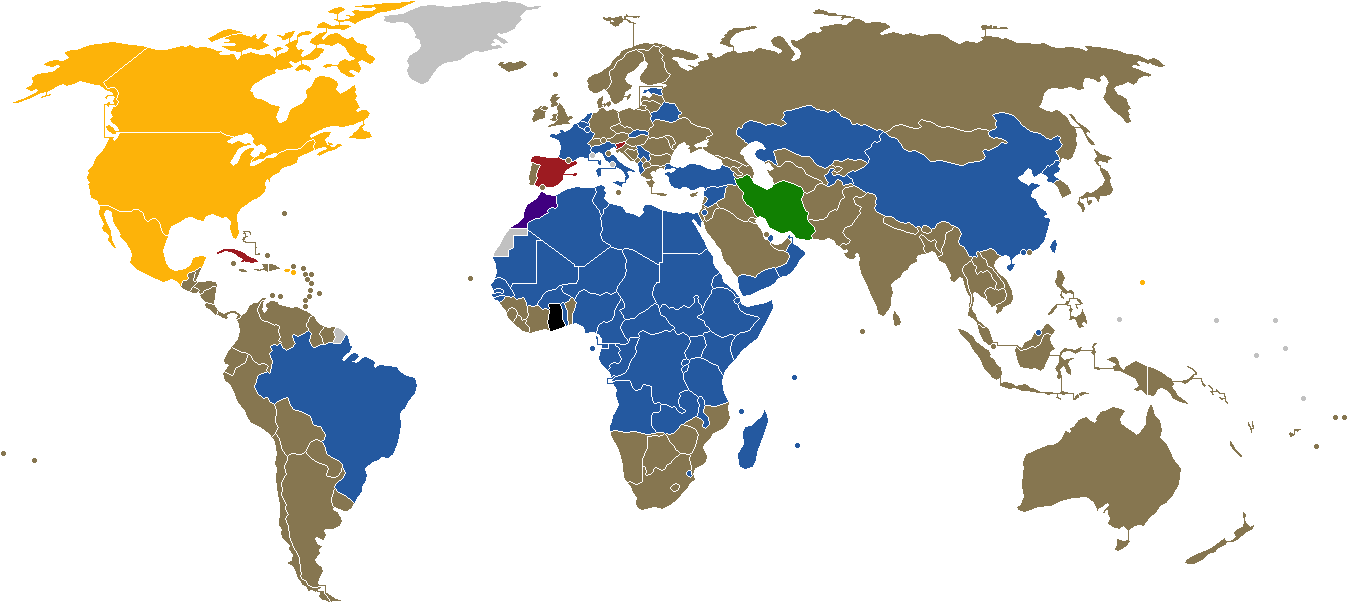
In what can only be described as an unexpected twist in global geopolitics, China has emerged as a more popular nation than the United States, according to a comprehensive survey by the Pew Research Center. The report, which spans 36 countries, marks the first time China has surpassed the US in such a survey, with 25 nations, including Canada and Mexico, viewing China more favourably.
The findings highlight a significant shift in global perceptions, with Chinese President Xi Jinping edging out former US President Donald Trump in the trust stakes. The survey, conducted between February and May, comes at a time when the US was embroiled in geopolitical tensions, notably with Iran, which may have influenced perceptions.
Shifting Perceptions
The survey reveals that respondents in many countries now view China's economic and diplomatic initiatives more positively than those of the United States. This shift could be attributed to China's expansive Belt and Road Initiative and its growing influence in global trade and politics. Meanwhile, the US's more confrontational foreign policy stance under Trump may have contributed to its declining favourability.
Interestingly, the shift in sentiment is not limited to distant regions but is also evident in North America. Both Canada and Mexico, traditionally strong allies of the US, have shown a preference for China over the United States. This could be reflective of the recent strains in trade relations and immigration policies between these nations and the US.
Implications for Global Diplomacy
These findings carry substantial implications for global diplomacy and international relations. A more favourably viewed China could mean increased influence in international forums and a stronger say in global governance. For the US, this could signal a need to re-evaluate its foreign policy strategies and engagement with the world.
While these results may be surprising, they are a reminder of the ever-evolving nature of international relations. As nations navigate these shifts, the coming years could see new alliances forming and existing ones reshaping, as countries respond to these changing global perceptions.