Diplomatic Tensions Flare Over Falklands Banner at World Cup
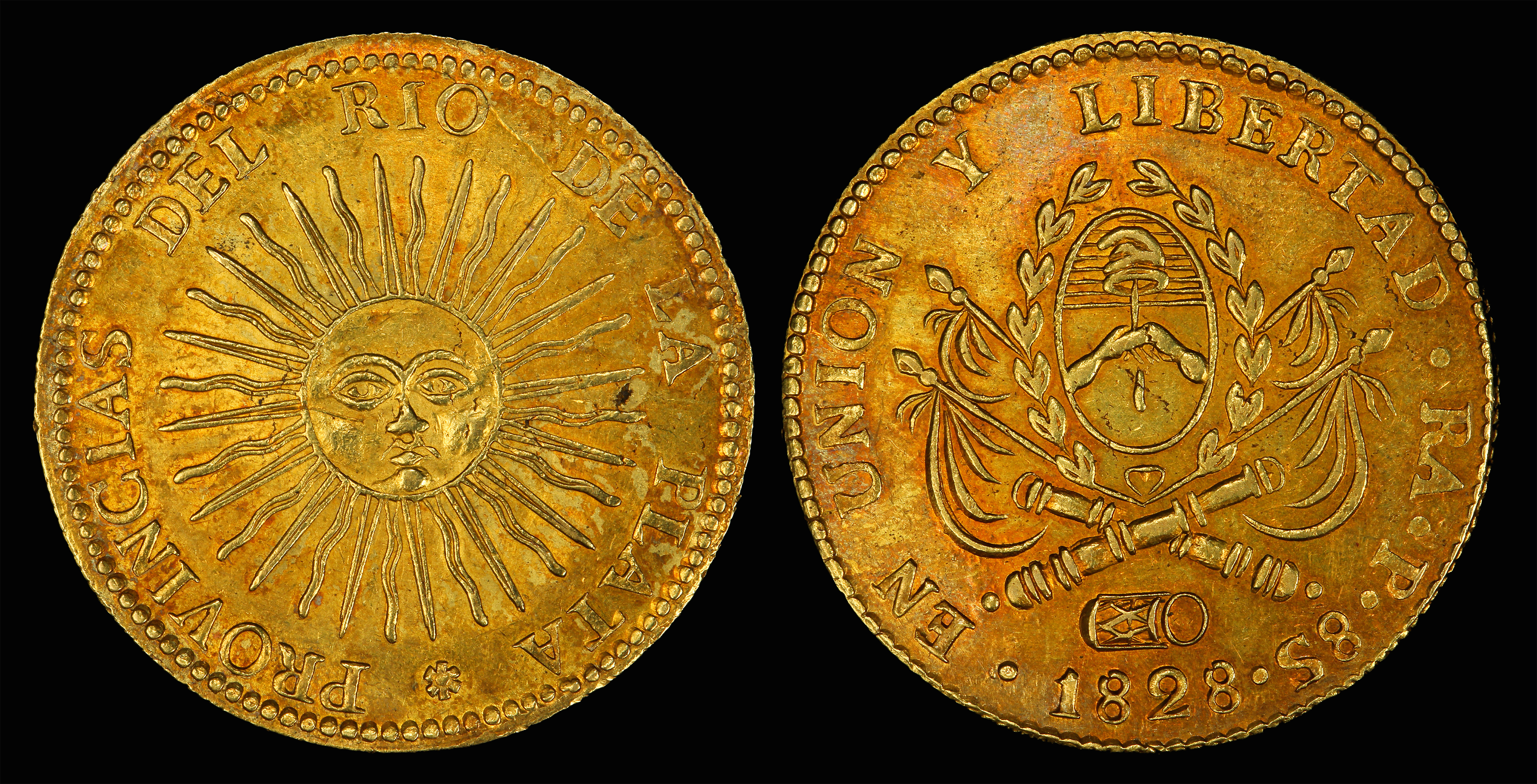
In the jubilant aftermath of Argentina's 2-1 victory over England in the World Cup semi-final, an old geopolitical wound has been reopened. The Argentinian players unfurled a banner declaring 'Las Malvinas son Argentinas' - 'The Falklands are Argentine' - a statement that has ruffled diplomatic feathers as far afield as No 10 Downing Street.
This provocative gesture immediately drew criticism from British officials. A spokesperson for No 10 remarked, 'The sovereignty of the Falkland Islands is not up for negotiation. The people of the Falklands have made it clear that they wish to remain British.'
FIFA, the governing body of international football, traditionally maintains a strict separation between politics and the sport. This incident, reminiscent of a similar situation in 2014 when the Argentine Football Association was fined for comparable conduct, highlights the challenges in upholding this principle.
The Player's Perspective
Argentinian player, Juan Parades, addressed the media, explaining the rationale behind the display. 'For us, the Malvinas are a part of our identity and history,' he said. 'Our victory was not just on the pitch; it was a moment of national pride.'
Such sentiments reflect the enduring sensitivity surrounding the Falklands, a territory that has been a point of contention between the UK and Argentina since the 1982 conflict. The banner, seen by many as a patriotic assertion, also serves as a reminder of the complexities at the intersection of sport and international politics.
A Historical Dispute
The Falklands, known in Argentina as Las Malvinas, have long been a flashpoint in Anglo-Argentinian relations. The war, fought over the islands in 1982, left deep scars and unresolved tensions that resurface periodically. This latest incident is a potent reminder of the lasting impact of historical conflicts on contemporary events.
As the World Cup continues, it remains to be seen how FIFA will respond to this breach of protocol. However, what is clear is that the Falklands issue is far from being relegated to the history books.