China's Degree Cuts: A Cautionary Tale for India's Universities
In a move that has caught the attention of educators and policymakers worldwide, China has declared approximately 12,000 of its college degrees obsolete, citing their irrelevance to the future job market. This sweeping measure underscores a growing global dilemma: the need for academic institutions to adapt swiftly to the changing demands of the economy.
China’s decision is not merely an administrative exercise but a strategic pivot towards aligning education with industry needs. As the world’s second-largest economy, China is acutely aware of the importance of equipping its workforce with skills that are not only current but also future-proof. The Ministry of Education has effectively sounded an alarm that echoes far beyond its borders, urging nations like India to reflect on their own educational paradigms.
India's Educational Crossroads
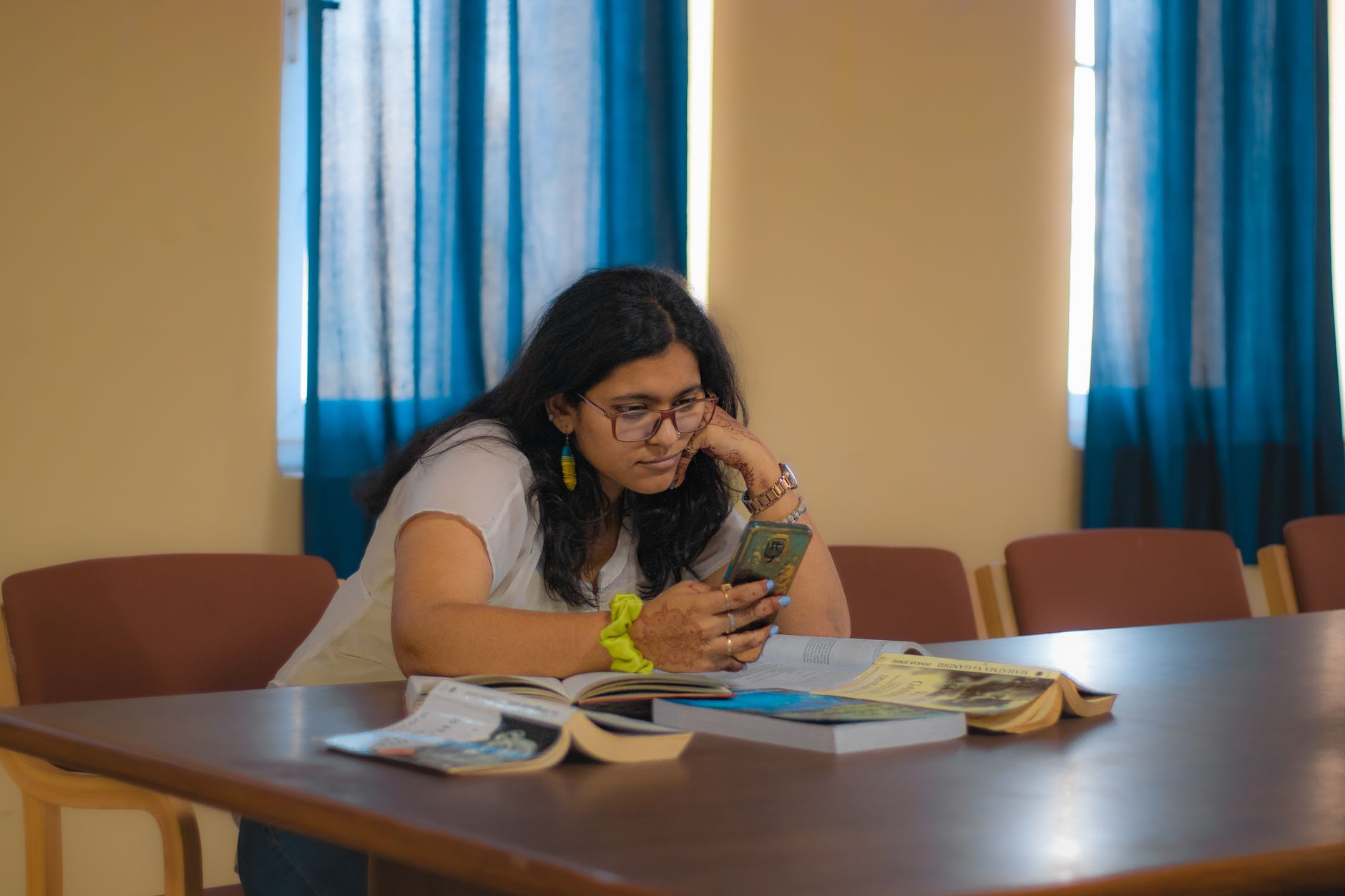
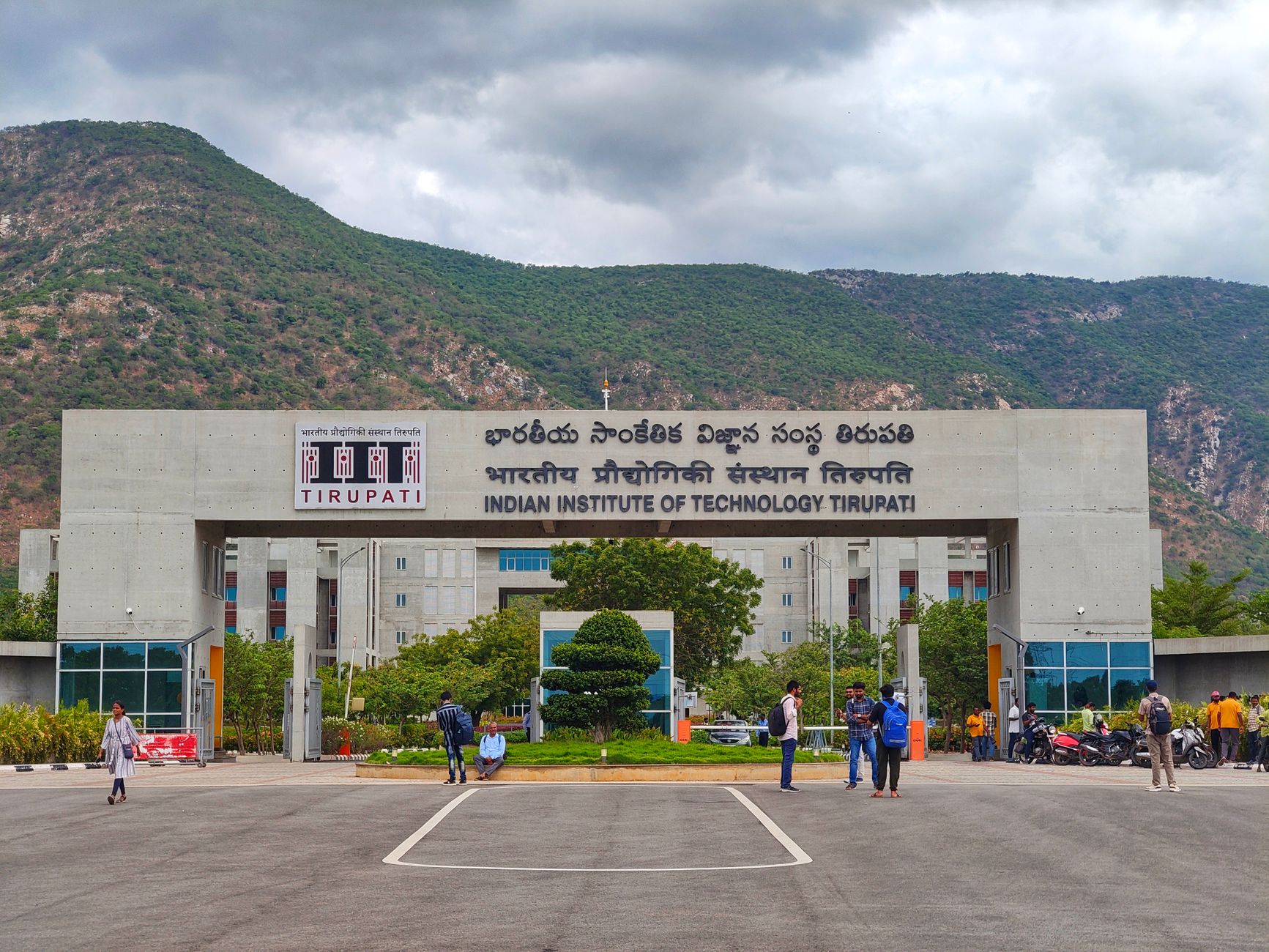
India, with its burgeoning youth population, faces a similar predicament. The country's higher education system, while expansive, often falls short in preparing students for the realities of today's job market. Critics argue that many courses remain antiquated, focusing more on rote learning than on critical thinking and practical application.
The National Education Policy (NEP) 2020 has laid down a roadmap for reform, emphasising interdisciplinarity and skill development. However, the challenge remains in its implementation. The question is whether India can act swiftly enough to prevent a similar culling of degrees in the future.
Global Implications
China’s decision could well be a harbinger for global education systems. Countries around the world are grappling with the same issue: how to prepare students for jobs that don’t yet exist, using technology that’s yet to be invented. This is not merely a challenge but an opportunity to rethink and innovate.
For India, the lessons are clear. As it seeks to position itself as a global education hub, aligning its educational offerings with the demands of the 21st-century economy is not optional but essential. The stakes are high, and the clock is ticking.