China's Degree Overhaul: A Wake-Up Call for India's Education System
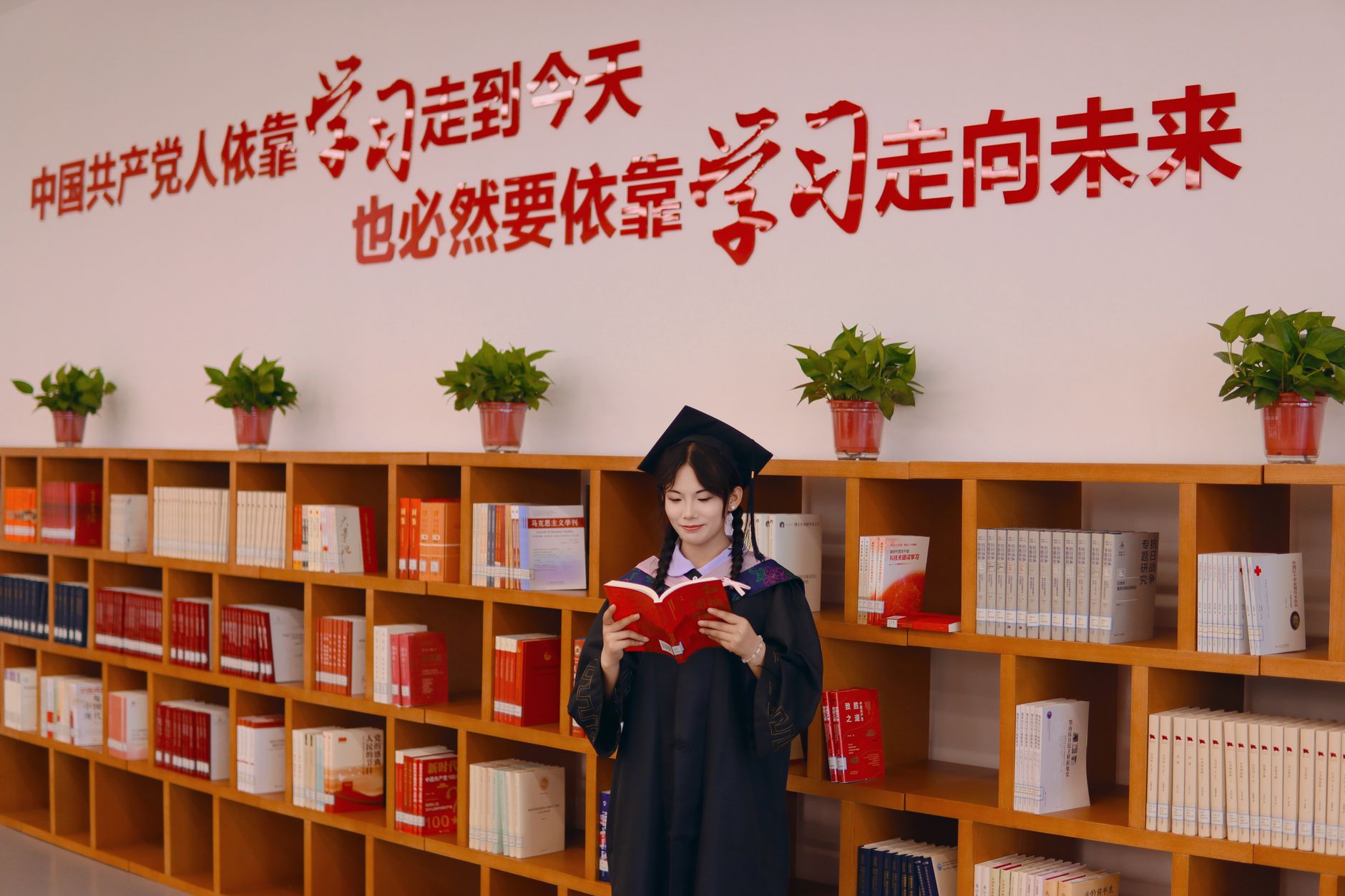
In a bold and controversial move, China has scrapped 12,000 university degrees, a decision that has sent ripples across the global education community. The axing of predominantly arts and humanities courses marks a decisive shift towards technology-focused programmes, aimed at equipping students with skills in artificial intelligence and other emerging technologies.
Chinese universities have undertaken this sweeping overhaul as part of a strategy to align higher education with the country's long-term economic and technological goals. The move underscores a growing recognition that the job market of the future will demand a different set of skills, one where AI and tech expertise will be paramount.
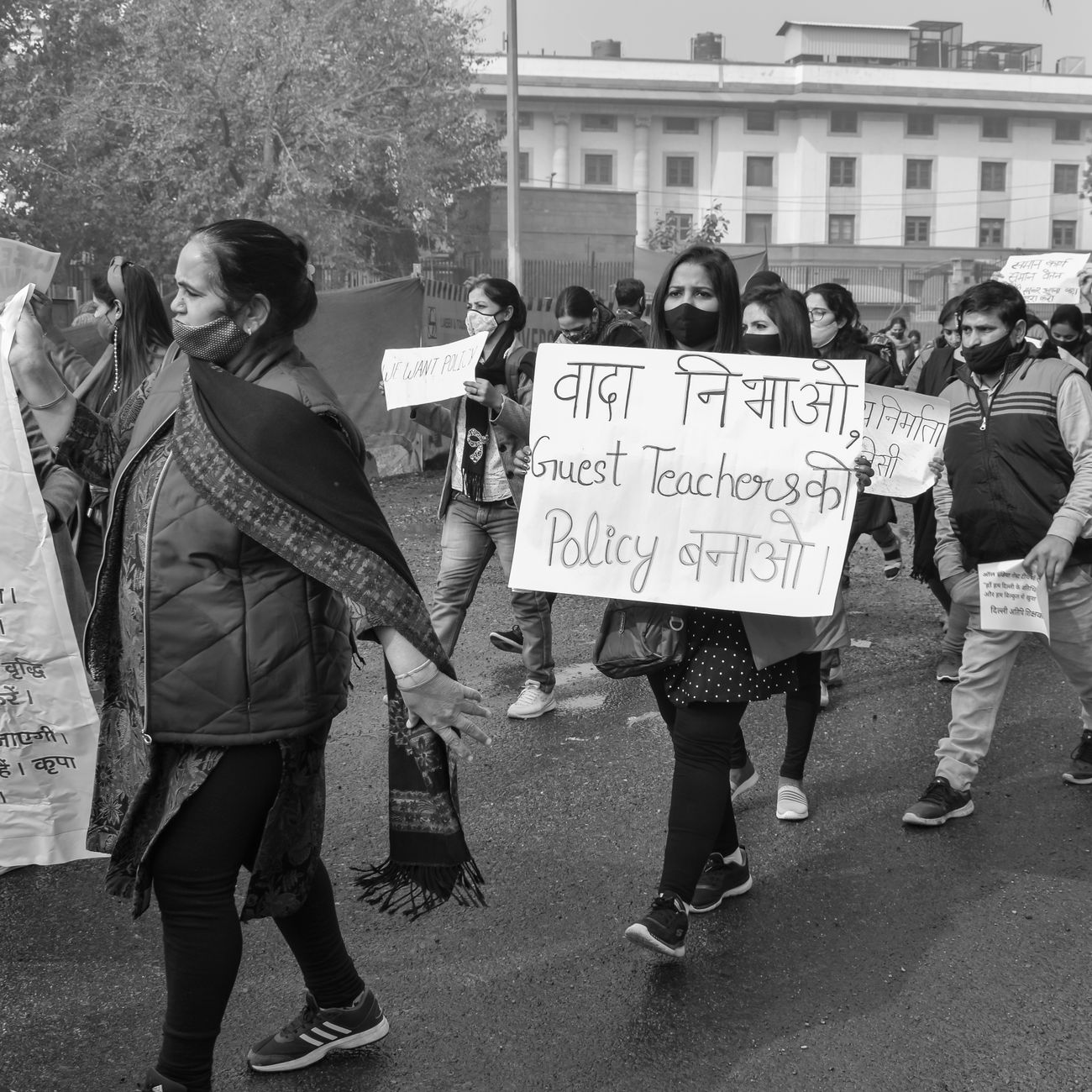
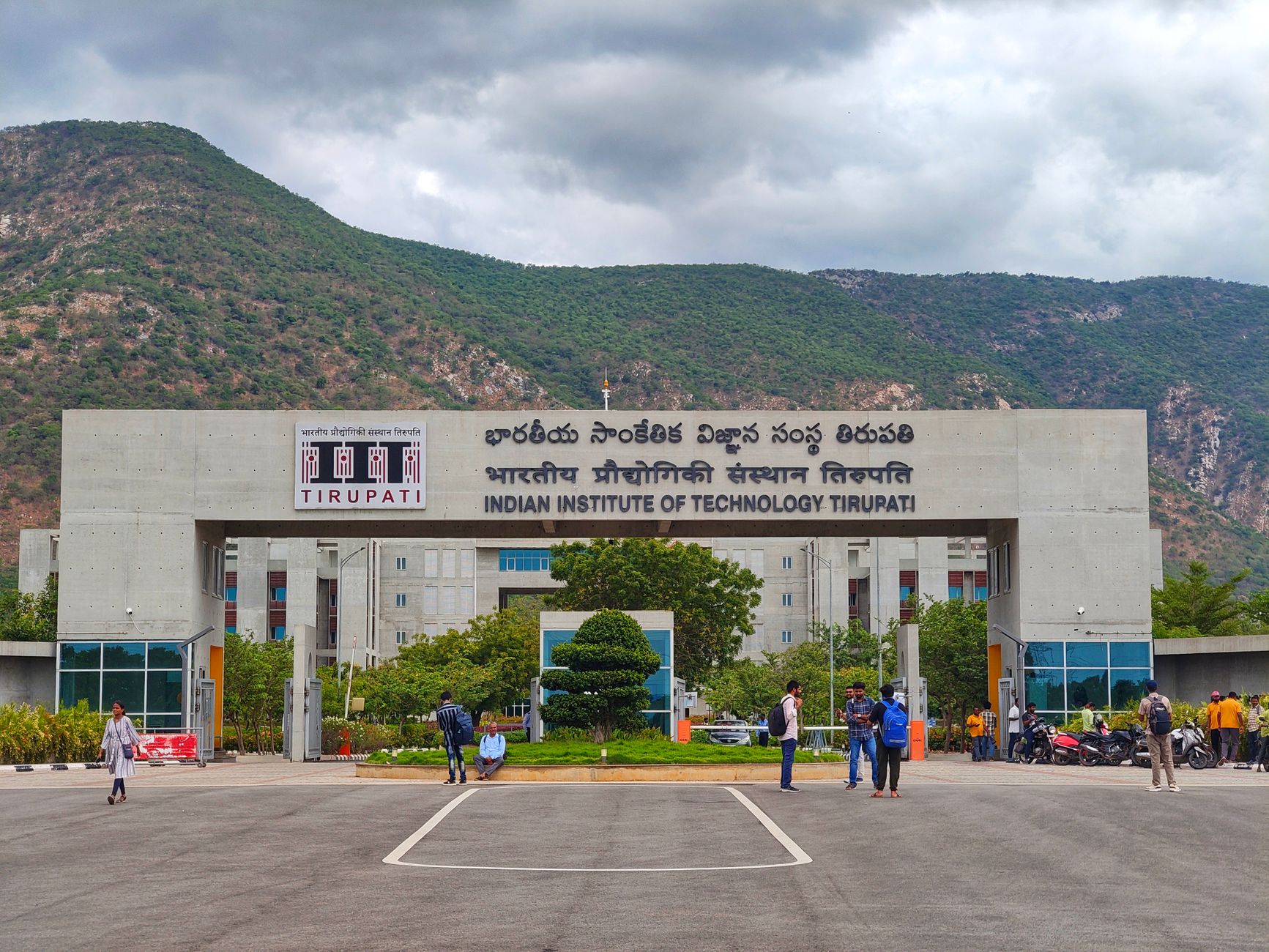
For India, this development serves as a cautionary tale. With its burgeoning youth population and a rapidly changing job market, India too must contemplate how its education system can evolve. The current Indian education landscape remains heavily tilted towards traditional disciplines, with many institutions offering degrees that may not align with future employment trends.
A Shift in Educational Priorities
China's decision to prioritise STEM (Science, Technology, Engineering, and Mathematics) fields over arts and humanities is not merely about numbers. It reflects a broader vision of creating a workforce that can drive the nation's economic engine in an increasingly tech-driven world. By investing heavily in AI and tech education, China positions itself as a leader in innovation and digital transformation.
India, meanwhile, faces its own set of challenges. The country has a rich heritage of arts and humanities education, which has contributed to a diverse cultural and intellectual landscape. However, as global and domestic industries continue to evolve, there is an urgent need to balance this heritage with the demands of the future job market.
Lessons for India
The question India must grapple with is how to modernise its education system without sacrificing its cultural strengths. Policymakers and educators need to critically assess which courses are truly preparing students for the future. This may mean revitalising curriculums, investing in technology, and fostering an environment where innovation can thrive.
The task is daunting, yet necessary. India's ability to navigate this transition will determine its economic trajectory in the coming decades. It is a challenge that requires foresight, adaptability, and a willingness to embrace change.
As China demonstrates the boldness to reshape its educational landscape fundamentally, India must heed the warning and prepare accordingly. The future, after all, waits for no one.