China's Educational Overhaul: A Cautionary Tale for India
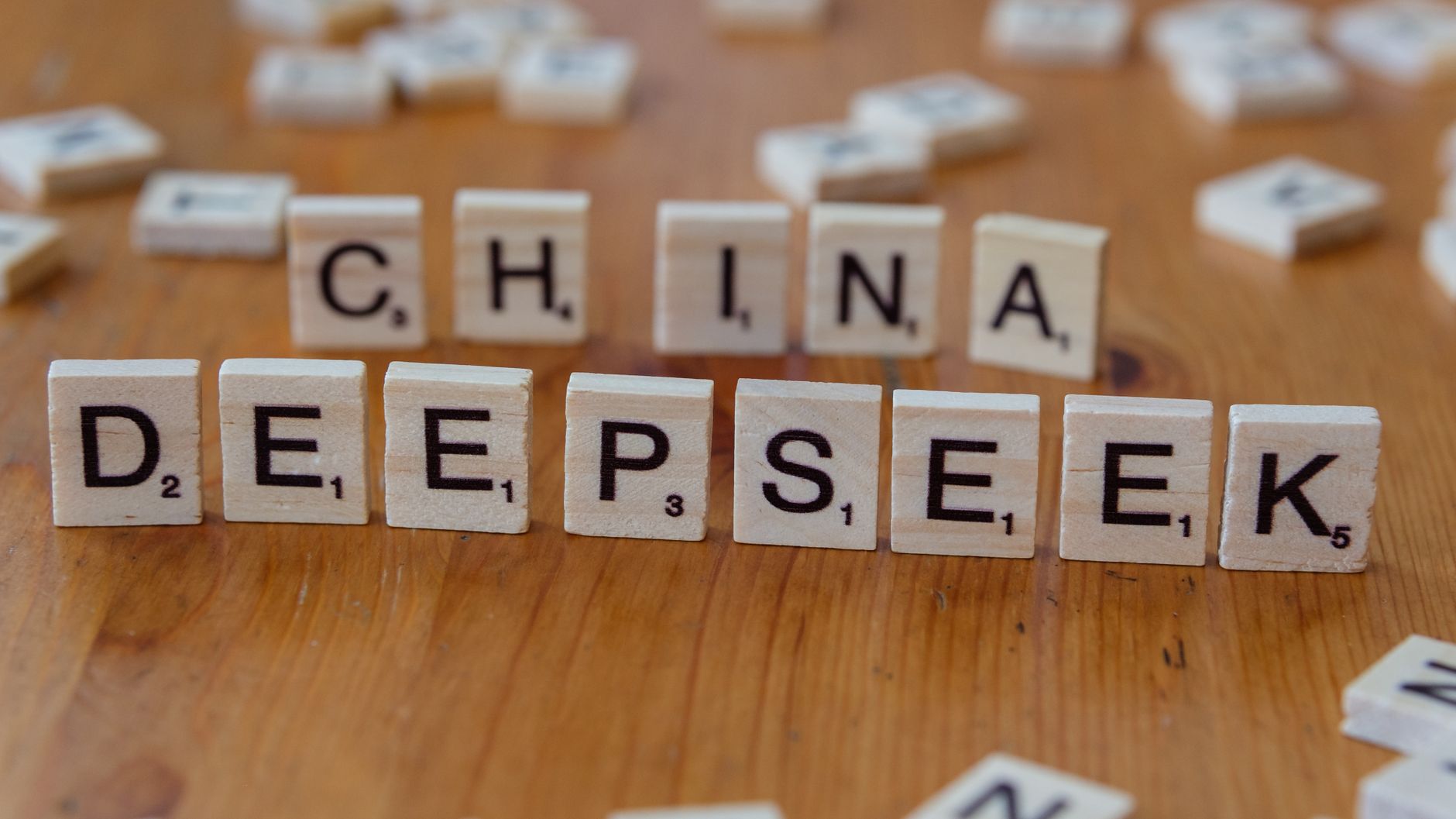
In a bold and controversial move, China has axed over 12,000 university degree programmes, marking a seismic shift in its approach to higher education. By sidelining traditional fields such as the arts and humanities, the nation is pivoting towards disciplines that promise to fuel its economic ambitions, particularly in technology and artificial intelligence.
This decision is not merely a domestic policy tweak but a message to the world, especially developing nations like India, which face similar challenges. With China introducing over 10,000 new AI-focused courses, the emphasis is unmistakably on aligning education with future job markets.
The Implications for India
India, with its burgeoning youth population, stands at a critical juncture. The dream of 'Viksit Bharat'—a developed India—cannot be realised without a corresponding evolution in its educational institutions. The current system, criticised for its rigidity and outdated curricula, risks leaving a generation ill-equipped for the demands of a dynamic global economy.
While India's higher education sector has expanded significantly in recent years, the alignment between academia and industry remains tenuous. The emphasis on rote learning over critical thinking and innovation stands in stark contrast to the needs of the modern workforce.
Steps Towards 'Viksit Vishwavidyalaya'
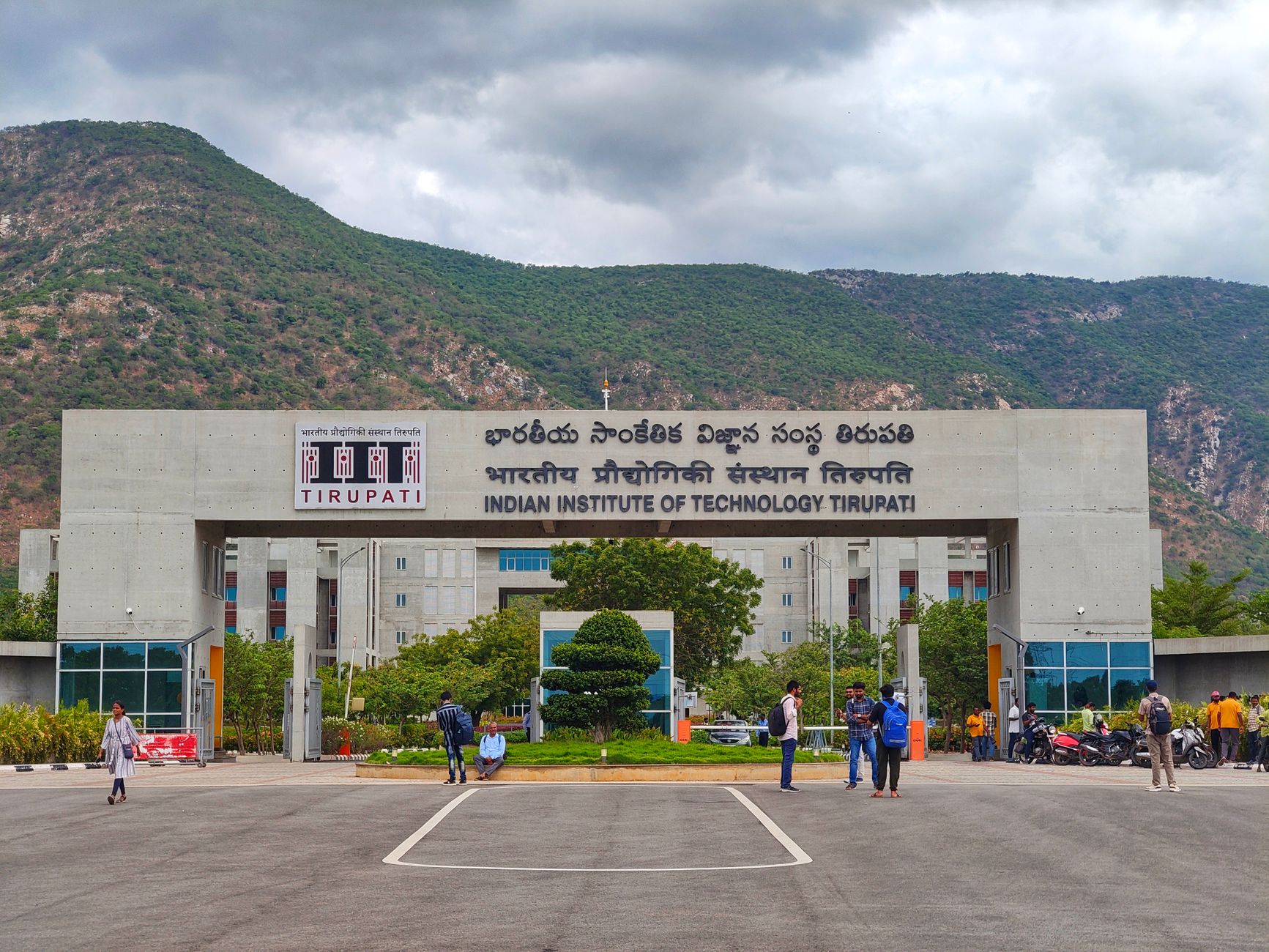
To prevent a future skills mismatch, India must re-evaluate what it means to be a 'viksit vishwavidyalaya', or a developed university. This involves not merely updating curricula but fostering an environment where interdisciplinary learning thrives, and new technologies are seamlessly integrated into the educational experience.
Furthermore, policy makers must grapple with the cultural and socio-economic challenges inherent in such a transformation. While STEM subjects are undoubtedly crucial, the value of a holistic education that includes the arts and social sciences should not be underestimated, given their role in fostering creativity and critical analysis.
China’s drastic educational reforms serve as a stark reminder to India: the future belongs to those who are prepared. As the world hurtles towards an AI-driven era, the time for India to act is now.