China's Environmental Compromise: Economic Growth at a Cost
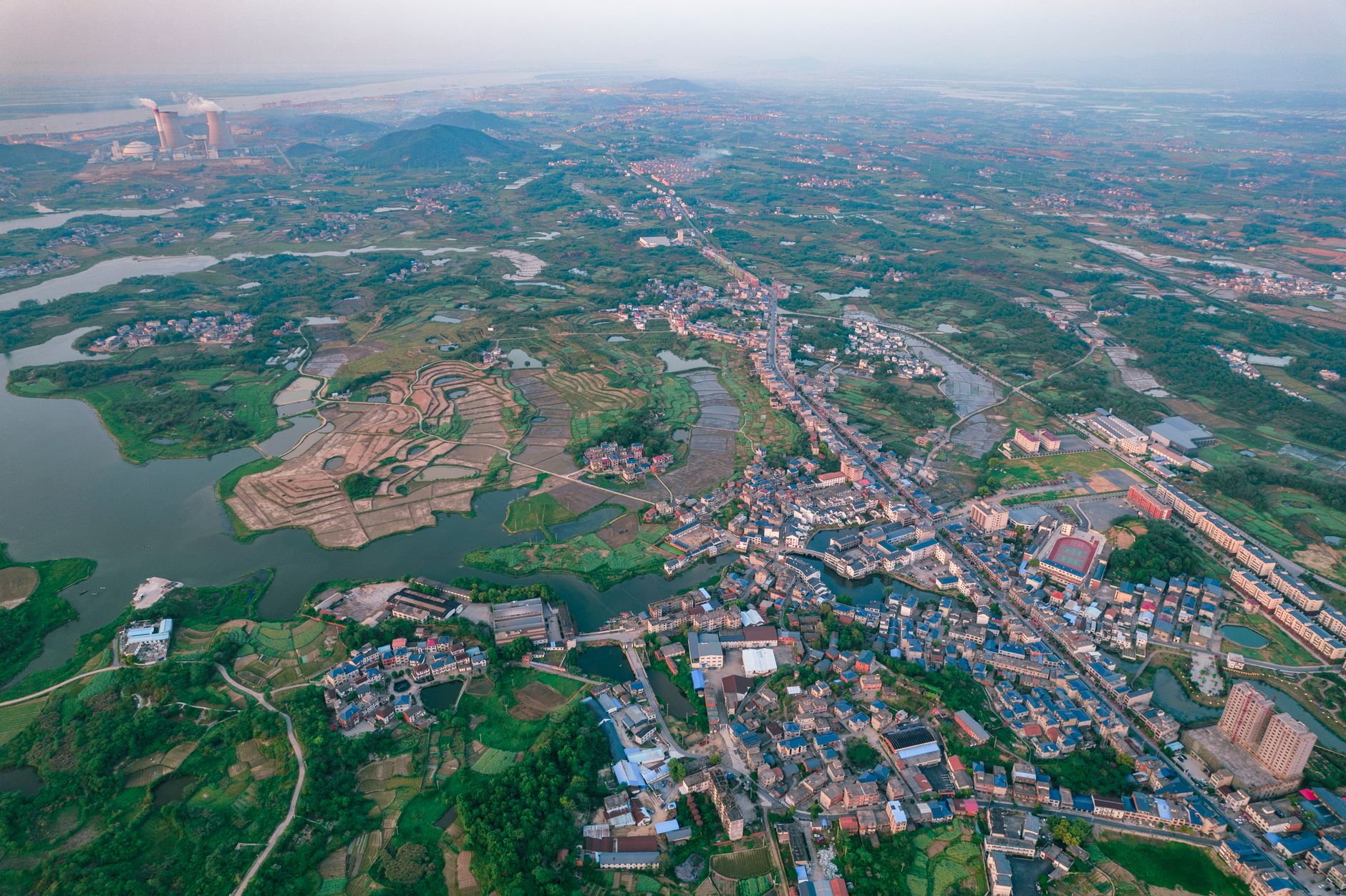
Amidst the towering skyscrapers and bustling streets of Beijing, a simmering controversy is brewing. A local official's decision to prioritise economic growth over environmental stewardship has drawn the ire of both citizens and central authorities alike.
In a country where economic development has often taken precedence, this latest episode has sparked a wider debate about the direction of China's growth. The official, whose identity remains undisclosed, has reportedly sanctioned projects that favour industrial expansion, sidelining environmental regulations in the process.
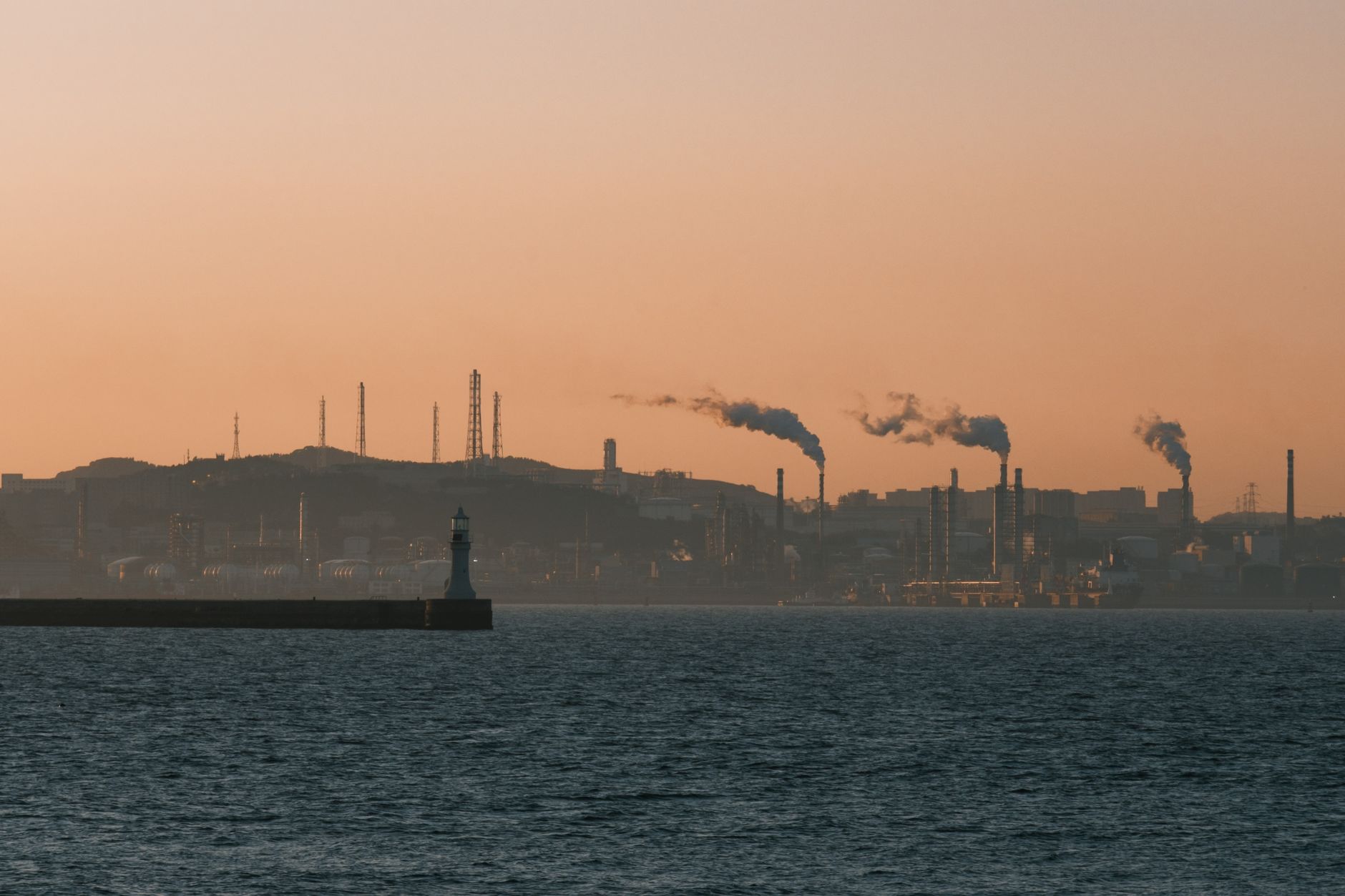
China, the world's second-largest economy, has long been on a trajectory of rapid growth. However, this progress has come at a significant environmental cost. Cities shrouded in smog and rivers choked with industrial waste have become almost commonplace. Yet, the central government has recently sought to pivot towards a more sustainable model of governance, emphasising environmental responsibility.
A Balancing Act
The scrutiny of the official's actions underscores the delicate balancing act that China faces. With a slowing global economy, the pressure to maintain growth rates is palpable. Yet, the environmental consequences of unchecked expansion are increasingly apparent, not just domestically but globally.
China's role in financing new coal plants across Asia has been particularly contentious, as climate scientists worldwide call for drastic reductions in emissions. The country's leadership acknowledges these challenges, with recent policy shifts towards renewable energy and ecological preservation. However, the path to reconciling economic ambitions with environmental imperatives remains fraught with complexity.
The Global Implications
This localised incident in China is emblematic of a broader global challenge. As nations worldwide grapple with the dual demands of economic growth and environmental sustainability, China's experience serves as a cautionary tale. The decisions made today could well determine the ecological landscape of tomorrow.
As Secretary of State Antony Blinken arrives in Shanghai for diplomatic discussions, there is hope that international cooperation might steer China and other nations towards more balanced development strategies. Ultimately, the scrutiny faced by the local official is a microcosm of the broader struggle between immediate economic gains and the long-term health of the planet.