China's Pioneering Brain Chip Approval: New Frontiers Ahead
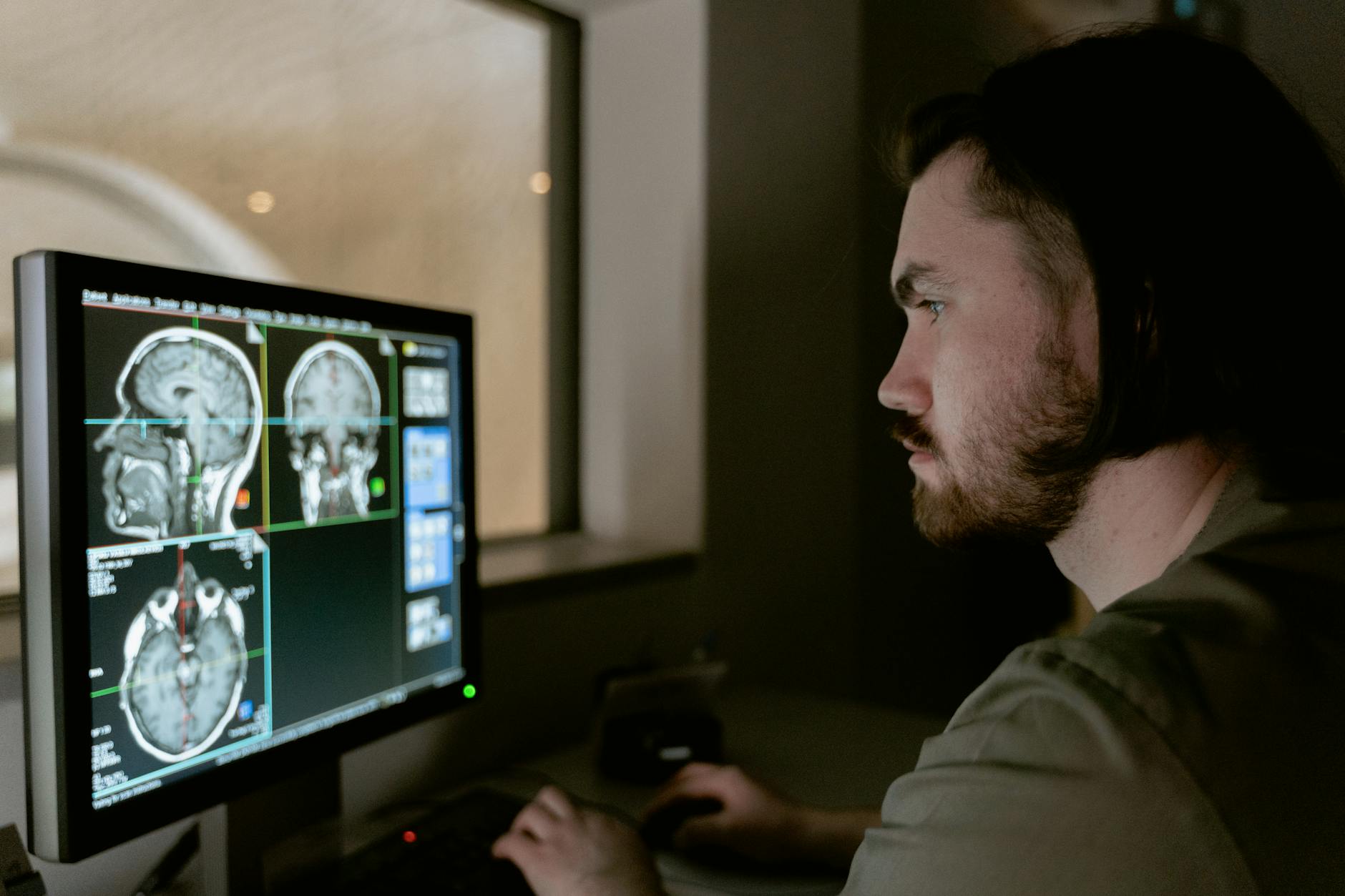
In a move that may redefine the future of neurotechnology, China has become the first nation to approve an invasive brain-computer interface for use beyond clinical trials. This bold step forward comes as Neuracle Medical's brain-computer chip receives the green light from China's regulatory authorities, paving the way for wider clinical applications.
The significance of this approval cannot be overstated. It propels China into the forefront of the brain-computer interface race, a field where the stakes are as high as the potential to transform human-computer interaction. While companies like Neuralink have taken tentative steps in this domain, with fewer than two dozen implantations as of 2026, China's decisive action signals its ambition to lead.
The technology itself is designed to interpret brain signals and translate them into commands for external devices. This has profound implications for patients with severe neurological disorders, potentially offering new avenues for treatment and rehabilitation. However, the ethical and regulatory implications are immense, as the technology raises questions about privacy, security, and the potential for misuse.
Global Implications and Competitive Edge
This development also reframes the competitive dynamics between China, the United States, and Europe. While Western nations navigate complex regulatory landscapes, China's swift approval process could give it a significant advantage in the commercialisation of brain-computer interfaces. The nation's commitment to technological advancement is evident, but it also invites scrutiny regarding ethical oversight.
Critics argue that rapid approval processes may overlook critical safety concerns. However, proponents believe that such pioneering steps are necessary to unlock the potential benefits that brain-computer interfaces promise. As China continues to push forward, the world watches with bated breath, aware that the outcomes could shape the future of human augmentation.
Ethical Considerations and Future Prospects
The advent of invasive brain-computer interfaces is not without its controversies. Concerns about data privacy, the extent of mind control, and the societal impact of such technology are rife. Yet, the potential benefits for those with debilitating conditions provide a compelling counterpoint.
As the first to navigate these uncharted waters, China's regulatory framework will be closely observed. Lessons learned here could influence policies worldwide, as other nations grapple with the ethical dilemmas posed by such profound technological advancements. The path ahead is fraught with challenges, but the potential for groundbreaking progress in human-computer symbiosis is undeniable.