China's Pioneering Leap: The First Invasive Brain-Computer Chip Unveiled
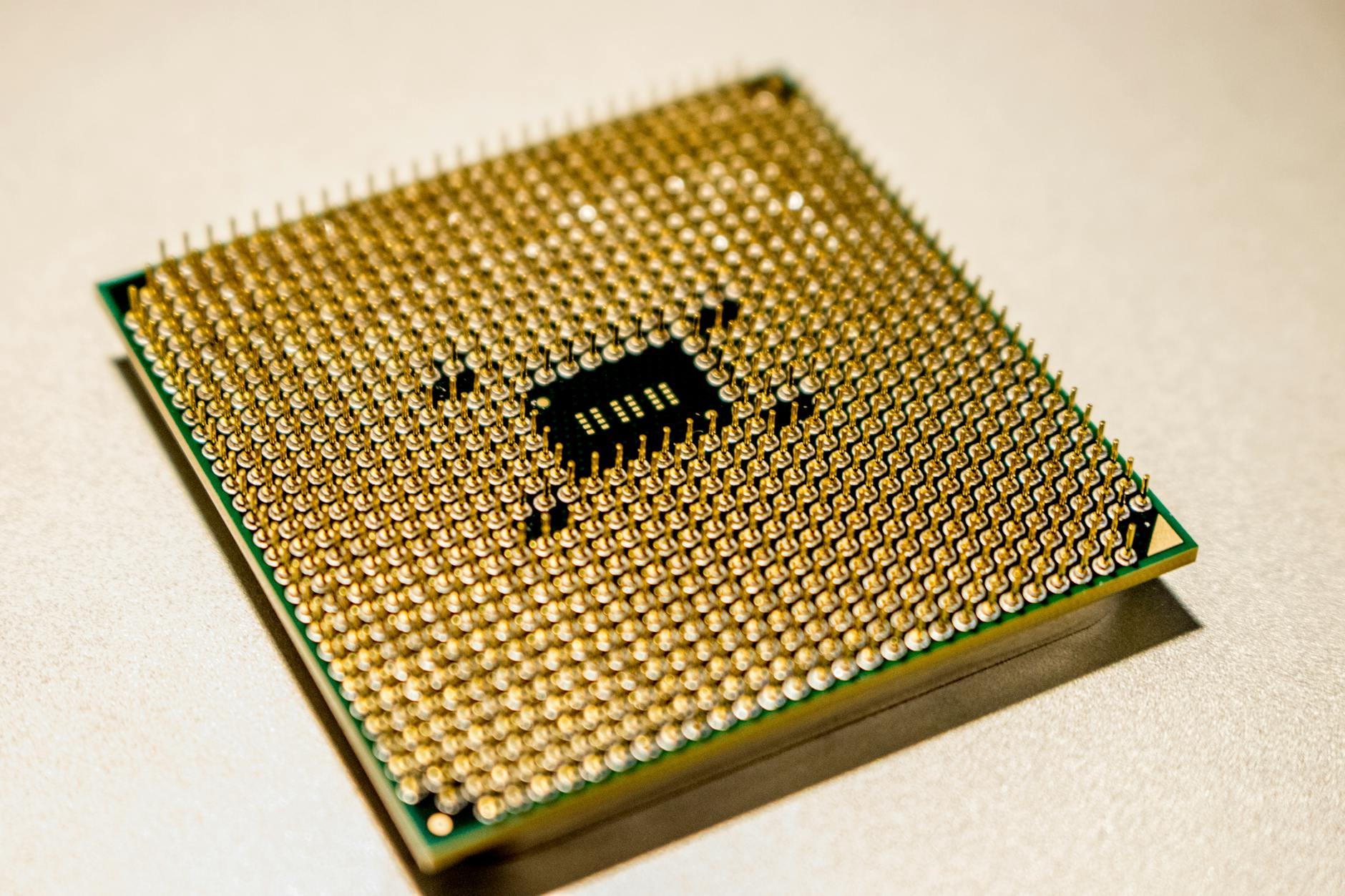
In a move that could reshape the future of medical technology, China has given the green light to the world's first invasive brain-computer interface (BCI). This pioneering device, named NEO, promises to open new avenues in the treatment of neurological disorders.
Developed by Shanghai-based Neuracle Technology in collaboration with researchers from Tsinghua University, the NEO chip is a coin-sized implant designed to interface directly with the human brain. Its approval marks a significant milestone, not only for China but for the global medical community striving to harness the potential of BCIs.
A Breakthrough in Neural Engineering
BCIs have long been heralded as a frontier technology, with their potential to restore movement in paralysed limbs or communicate with computers through thought alone. Until now, such technology has been largely confined to experimental settings. However, the NEO chip's approval for commercial use signifies a leap forward in its practical application.
In China, where over 3.7 million people live with spinal injuries, the demand for innovative treatment options is acute. The NEO chip offers a glimmer of hope for these patients, allowing them to interact with their environment in ways previously deemed impossible.
Global Implications and Ethical Considerations
The approval of the NEO chip places China in a favourable position within the international BCI race, closely trailing the United States. This development underscores a growing technological rivalry between the two nations as they vie for supremacy in next-generation technologies.
However, the introduction of invasive BCIs into the market also raises profound ethical questions. The possibility of hacking into someone's thoughts, privacy concerns, and the long-term effects of such implants are subjects that demand careful consideration. As the technology becomes more widespread, regulators and ethicists will need to address these challenges head-on.
For now, the immediate focus remains on the potential benefits of the NEO chip. If successful, it could transform the lives of millions, offering new hope to those with debilitating conditions.