Chinese Chip Claims Unprecedented Speed Over Nvidia GPUs
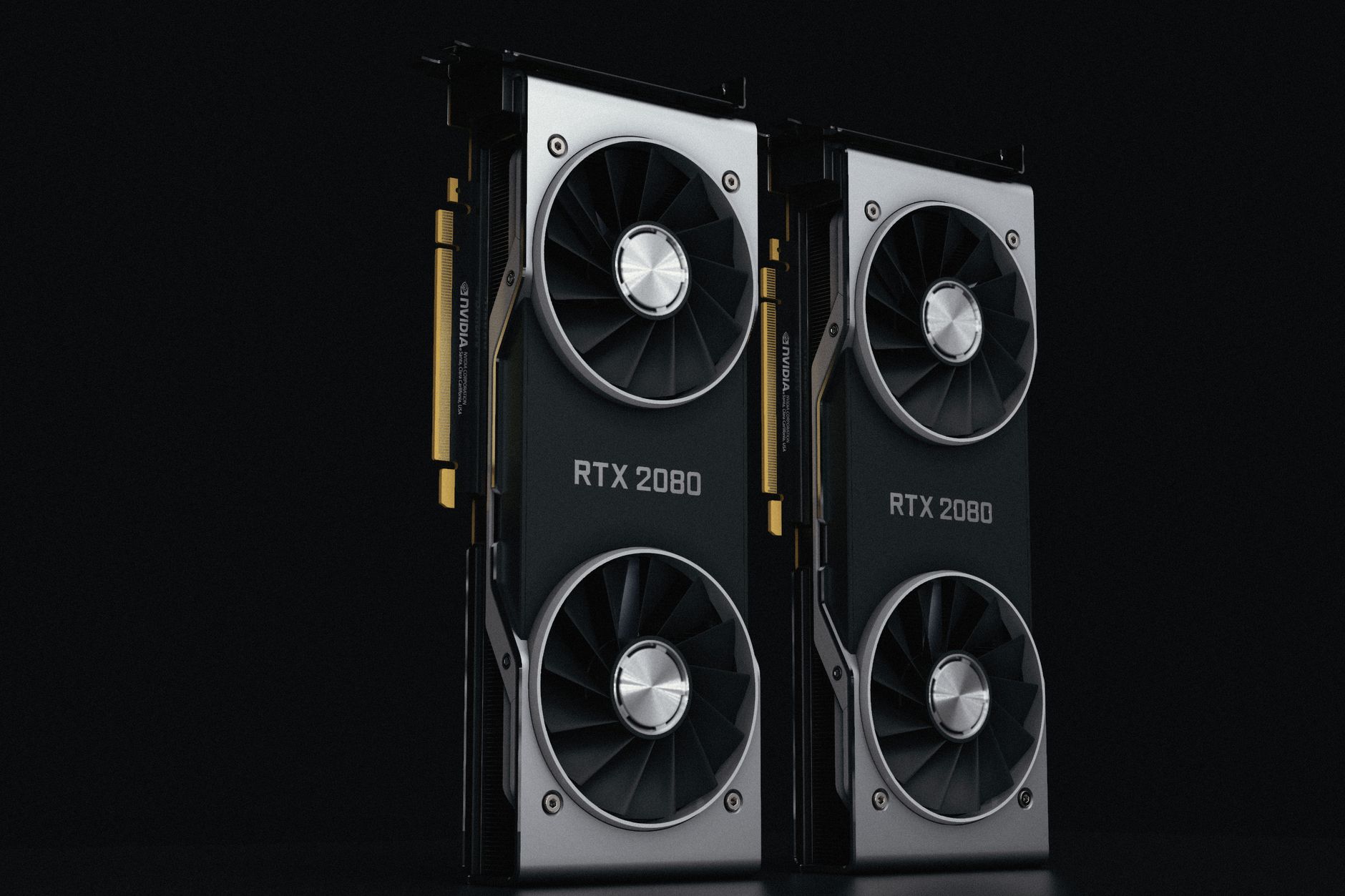
The digital age has delivered yet another marvel, this time from the labs of Zhejiang University in China. Researchers there have developed a brain-mimicking chip that operates up to 478 times faster than Nvidia's top-tier graphics processing units (GPUs). The chip, operating on a 40-nanometre scale, represents a significant leap in computational technology.
Traditionally, the bottleneck between data storage and processing has hampered the speed of modern digital chips. This Chinese innovation, however, deftly sidesteps the issue by integrating data storage and computation within the same memory array. The result is a chip capable of reconstructing complex brain surfaces in under half a second, a feat previous technologies could only dream of achieving.
Implications for Alzheimer’s Research
Beyond its impressive speed, the chip consumes less than 5% of the energy typically required by Nvidia's GPUs. This energy efficiency, combined with its speed, opens up new avenues in Alzheimer’s research. By rapidly modelling brain structures, scientists can explore the intricacies of this debilitating disease with unprecedented precision.
Nvidia GPUs have long been the gold standard in AI and neural network processing. Yet, this new chip not only challenges the status quo but also suggests a shift towards more integrated and efficient computing solutions. The implications are vast, potentially influencing sectors ranging from medical research to artificial intelligence.
A New Era of Computing?
While Nvidia GPUs process information using binary logic, this new Chinese chip takes a different approach. Its ability to mimic brain functions suggests a move towards more organic computing paradigms, where machines can process information in a manner akin to human thought.
As the world watches, the technology's rollout will undoubtedly stir excitement and debate within the tech community. Whether this marks the dawn of a new era in computing or simply a noteworthy advancement, the chip's potential is undeniable. For now, it stands as a testament to the relentless pace of innovation and the ever-shifting landscape of technological prowess.