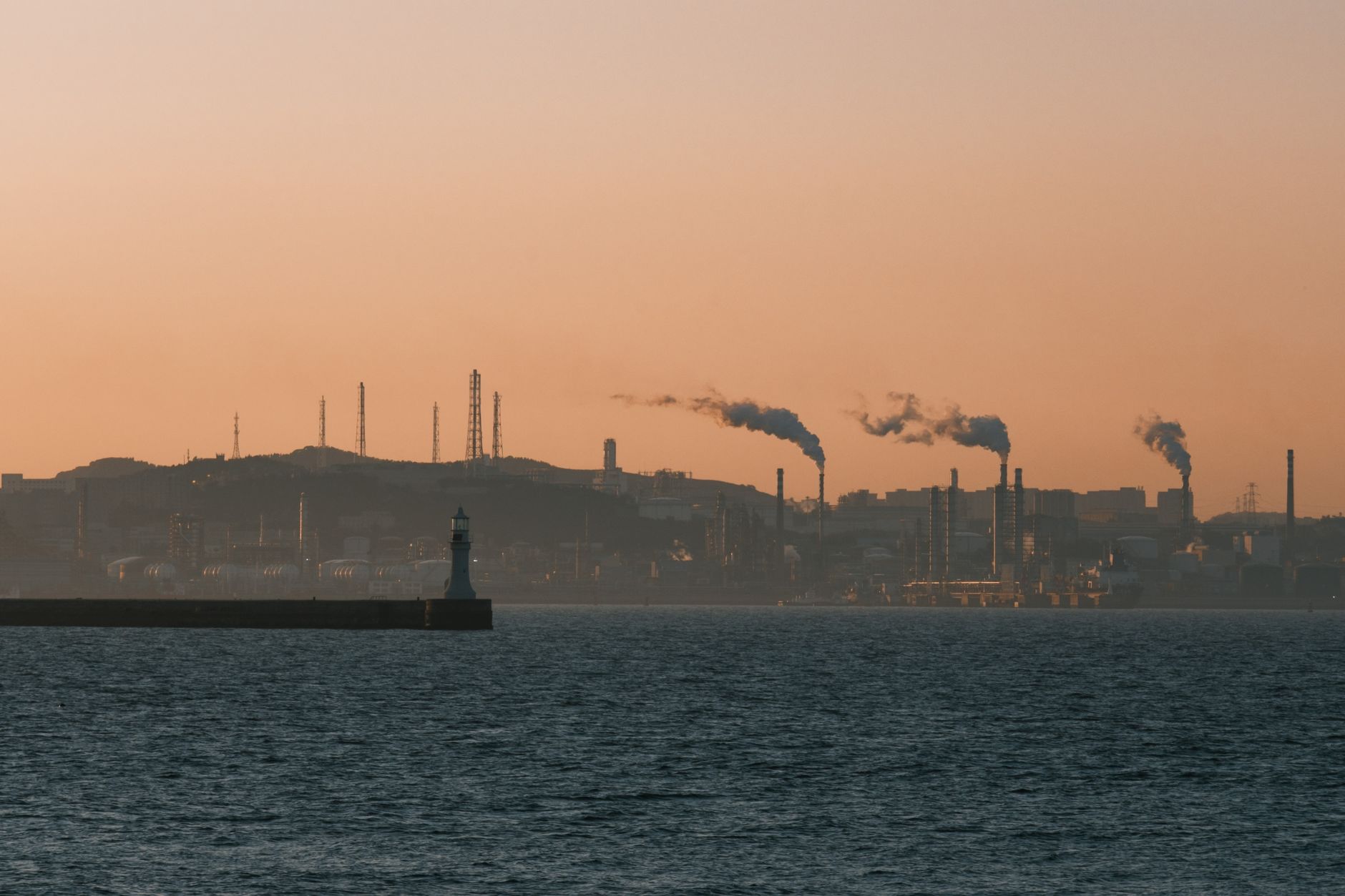
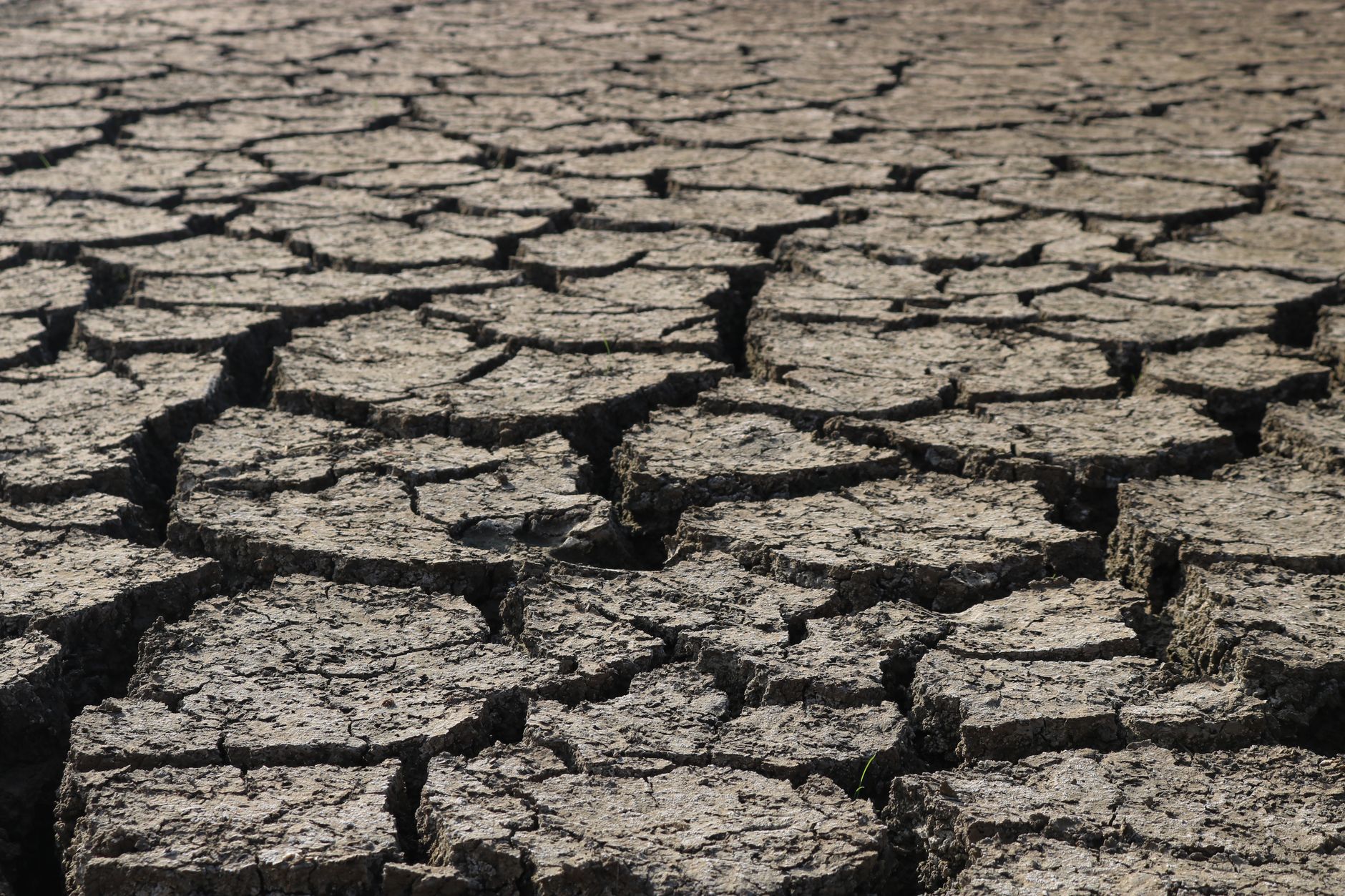
Cities at the Forefront of Environmental Transformation
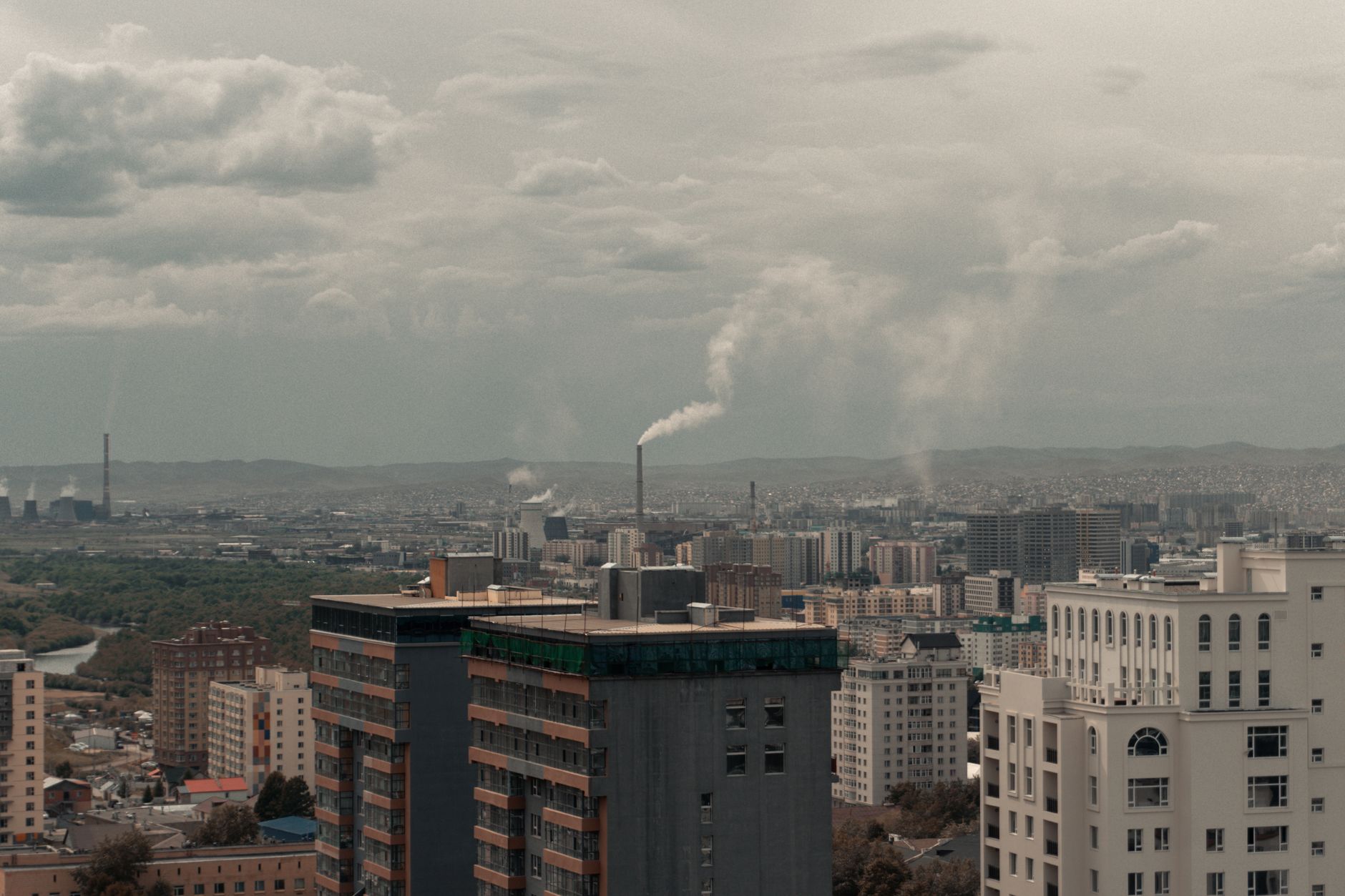
As the world grapples with the twin challenges of climate change and burgeoning urban populations, cities are increasingly shouldering the responsibility for charting a sustainable course. With a staggering 70% of the global populace now residing in urban centres, cities are becoming the crucibles where the future of the planet will be forged.
Modern metropolises are no longer just bustling centres of commerce and culture; they are pivotal battlegrounds in the fight against environmental degradation. From the 'sponge cities' of China, designed to absorb and reuse rainwater, to the revitalised green spaces of European capitals, urban areas are pioneering innovative solutions to environmental challenges.
Transformative Urban Initiatives
In recent years, cities have embarked on ambitious projects aimed at reducing carbon footprints and enhancing resilience. The construction sector plays a crucial role here, advancing techniques that integrate sustainability into urban planning. Repurposing existing structures and building with eco-friendly materials are becoming standard practices.
However, it's not just about infrastructure. Political will and sustained investment are equally vital. Local governments are increasingly realising that social equity and environmental protection must go hand in hand. This involves not only protecting natural habitats but also ensuring that urban development does not marginalise vulnerable populations.
A Global Commitment
The Paris Agreement of 2015 marked a watershed moment in global climate policy, and cities were quick to take up the mantle. With nearly a decade since the adoption of the UN-Habitat's New Urban Agenda, the emphasis on creating inclusive, safe, and resilient urban spaces has never been greater.
Urban planners and policymakers are tasked with crafting strategies that align with the Sustainable Development Goals (SDGs), ensuring that cities not only thrive but do so within the planet's ecological limits. This is a delicate balance that demands creativity, collaboration, and long-term vision.
In this context, the role of cities as agents of change cannot be overstated. Their ability to innovate and adapt will, quite literally, determine the environmental future of our planet.