Citizen Science Tackles Bird Collisions on World Environment Day
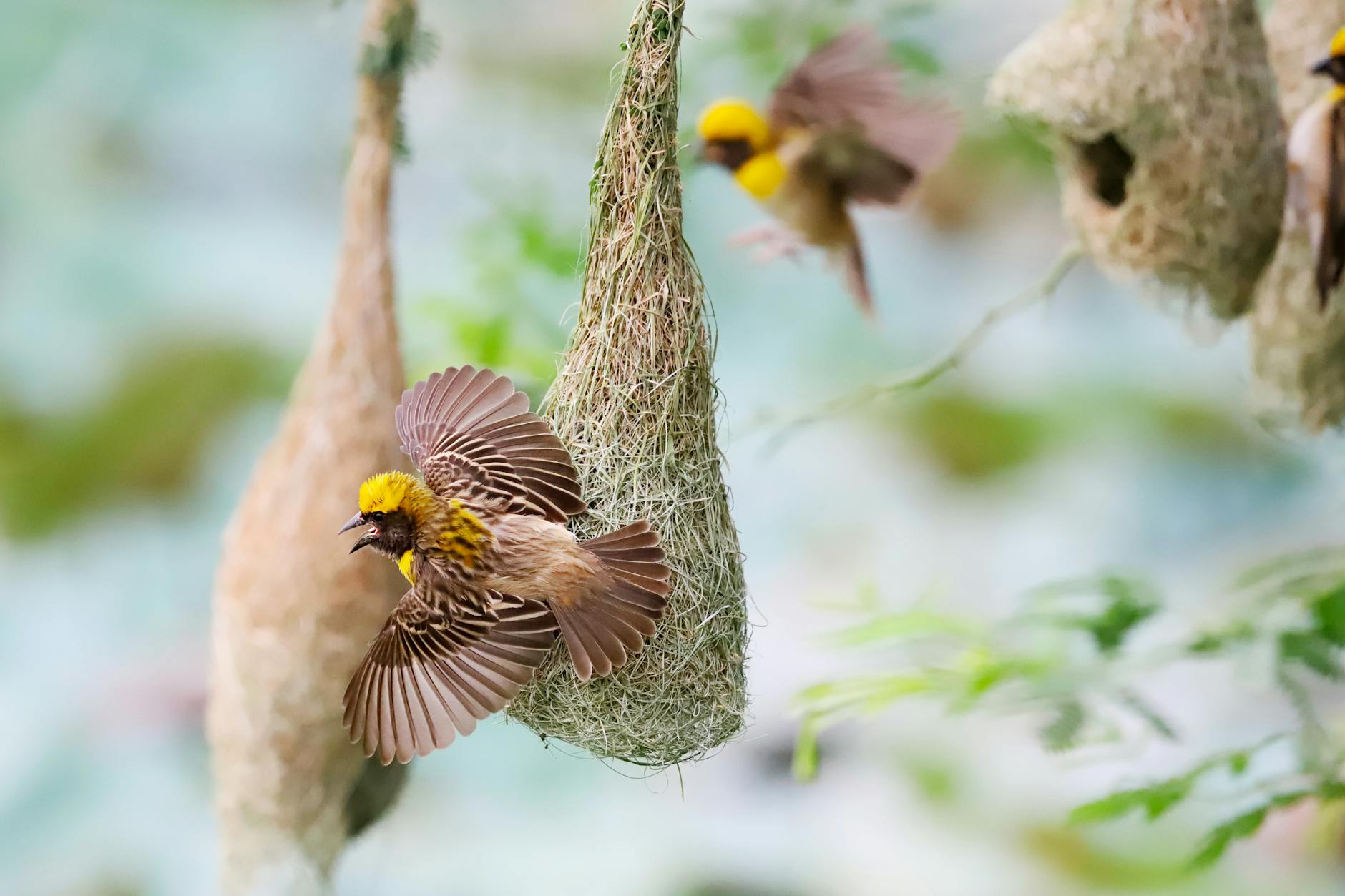
As dawn breaks on another World Environment Day, the usual suspects of pollution and deforestation dominate the discourse. Yet, an oft-overlooked crisis is quietly unfolding across the urban sprawl: bird-window collisions. Each year, countless birds meet their end crashing into glass panes, an issue that remains largely unrecognised, particularly in India.
In the bustling city of Pune, a new collaborative effort is underway to address this environmental quandary. Citizen scientists, armed with data sheets and binoculars, are teaming up with industry experts to track and mitigate bird-window collisions. This initiative, part of a broader campaign to protect biodiversity, aims to shed light on this silent threat.
Citizen Science: A Force for Change
The power of citizen science lies in its grassroots nature. Volunteers across Pune are gathering data on bird collisions, noting the time and location of each incident. This information is invaluable, offering insights into patterns and helping to identify high-risk areas.
Dr. Ananya Rao, a leading ornithologist involved in the project, explains, "By engaging the public, we're not only gathering data but also raising awareness about the impact of urbanisation on wildlife. It's a win-win scenario."
Industry Outreach: A Collaborative Approach
Beyond citizen involvement, there's an imperative need for industries to step up. Buildings with glass facades are particularly culpable, and developers are being urged to consider bird-friendly designs. Simple measures, such as using patterned glass or installing external screens, can significantly reduce collisions.
This World Environment Day, the hope is to inspire proactive measures. As Dr. Rao aptly puts it, "Saving birds from window collisions is emblematic of how small changes can have a big impact on biodiversity."
While bird-window collisions may not command the same attention as climate change, they are a poignant reminder of the intricate challenges facing our natural world. Through a blend of citizen science and industry cooperation, there is hope for a future where birds can soar safely across our skylines.