Cockatoos and the Enigma of Death: Unravelling Avian Awareness
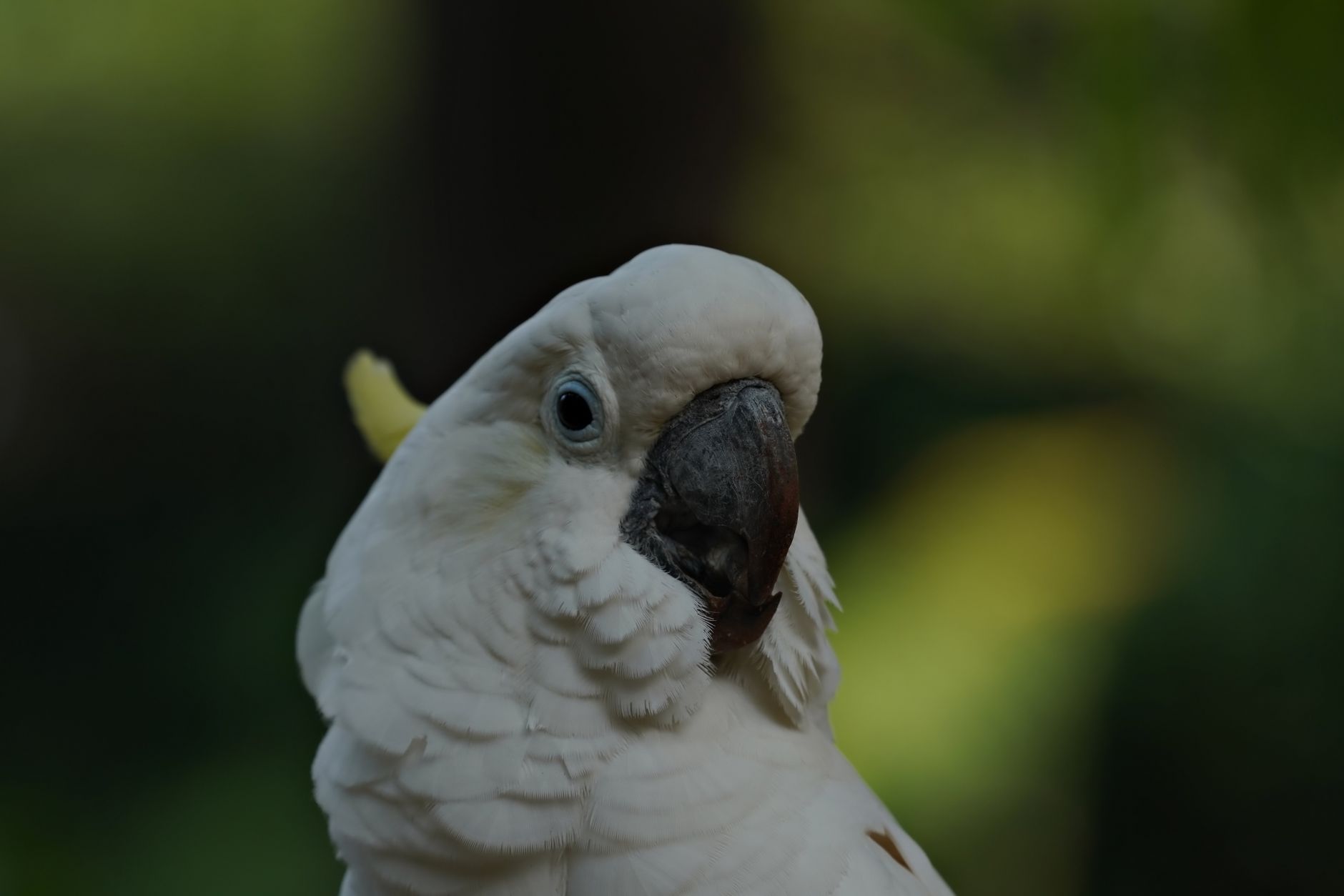
In a world where the boundaries of animal cognition continue to intrigue scientists, a rather unexpected candidate has taken centre stage: the Goffin’s cockatoo. Known for their loud squawks and intelligent antics, these birds are now the focus of a study seeking to unravel one of nature's profound mysteries—do animals understand the concept of death?
Dr. Barbara J. King, renowned for her work on animal emotions, leads a team delving into the psyche of these cockatoos. The initiative, which spans 17 days and over 1,600 kilometres of behavioural observation, aims to determine whether these birds merely react to the loss of a peer or if they possess a deeper understanding of death as a permanent state.
The Cockatoo Conundrum
Goffin’s cockatoos are no strangers to complex behaviours. In captivity, they've been observed using tools and solving puzzles, indicating a cognitive capacity that rivals some mammals. However, the current research is less about their problem-solving prowess and more about their social and emotional responses to death.
Cockatoos have been seen altering their feeding and travel patterns when a member of their group dies. Changes like these raise questions: are these birds confused, or is there an element of mourning involved? The study seeks to differentiate between instinctual behaviour and genuine grief, a distinction that remains elusive even in broader animal studies.
Why It Matters
Understanding animal responses to death could redefine how we perceive intelligence and emotion across species. If cockatoos indeed grasp the concept of mortality, it could bridge the gap in our understanding of non-human experiences of life and loss. This research echoes the broader scientific debate on animal consciousness, where ants detect death through chemical signals without understanding its essence, contrasting with mammals like elephants, known for their elaborate mourning rituals.
As Dr. King and her team continue their observations, the question remains whether these birds are mourners or simply creatures of habit. Regardless of the outcome, the study promises to shed light on the intricate tapestry of animal behaviour and cognition, challenging our assumptions about the natural world.