Conservation Concerns: Asiatic Lions' Habitat Under Threat
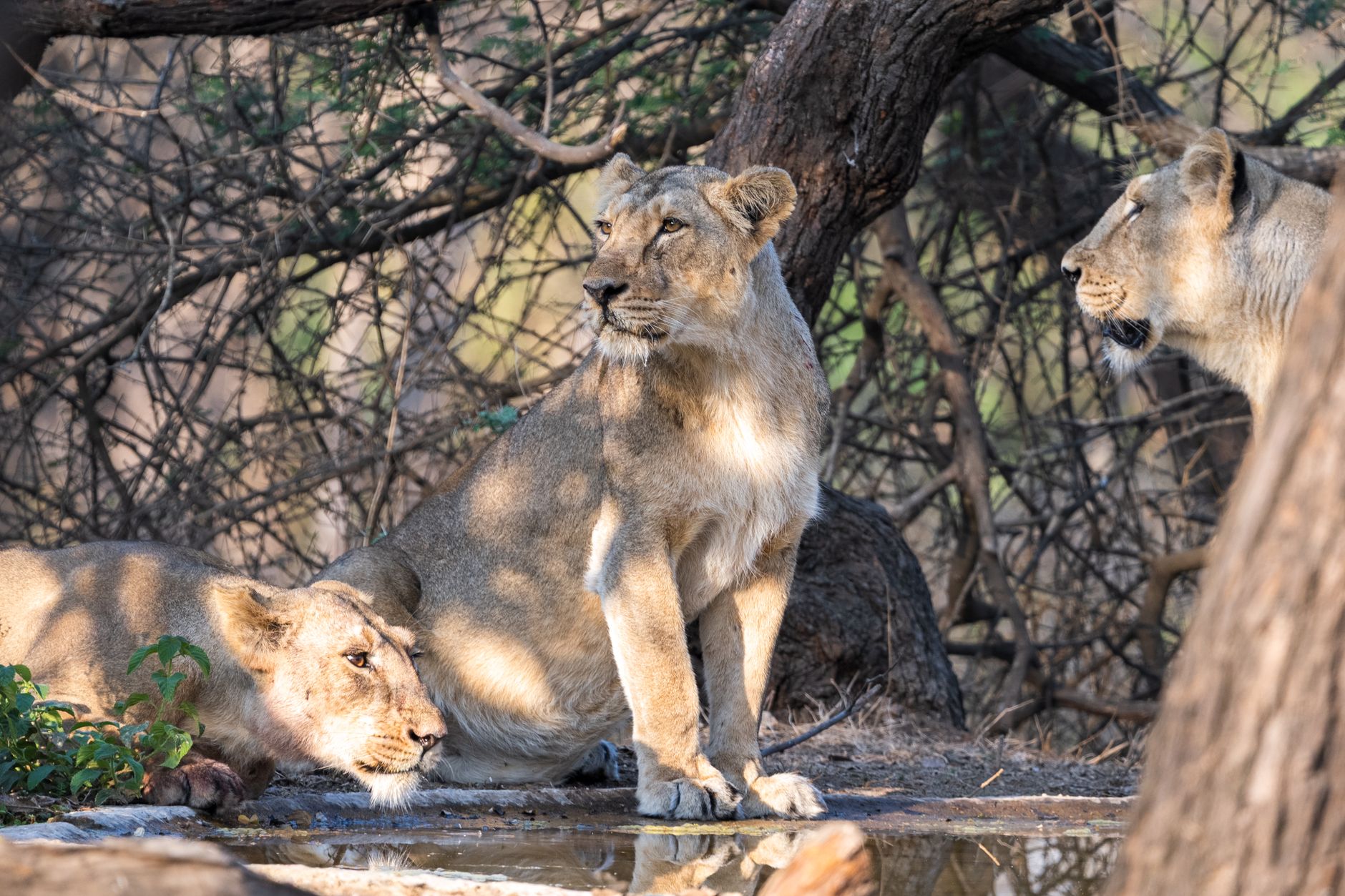
In the dry, thorny forests of Gujarat, a silent drama unfolds, one that holds the fate of the Asiatic lion in delicate balance. Recent proposals for industrial expansion threaten to disrupt their fragile habitat, and environmentalists are sounding the alarm.
Wildlife photographer and activist Bhushan Pandya has taken the concerns directly to Gujarat's chief minister, Bhupendra Patel, urging reconsideration of a plan to allow limestone mining in the Babarkot reserve forests of Amreli district. 'This is not just about a piece of land,' Pandya asserts. 'It's about the survival of a species.'
Adding urgency to these concerns, the deaths of twenty-three lions between 12 September and 1 October, followed by three more on 22 October, have left conservationists in dismay. The cluster of fatalities has rekindled calls for translocating some lions outside Gujarat. The argument is simple yet profound: diversify the population's geography to protect against disease outbreaks and genetic bottlenecks.
The Challenge of Translocation
Translocating lions is no simple task. Unlike their African counterparts, Asiatic lions live in smaller prides, which complicates social dynamics during relocation. Moreover, the solitary nature of male lions adds another layer of complexity. Yet, experts argue that such measures are necessary to avert a catastrophic decline.
Despite being legally protected and listed as endangered, the Asiatic lion's future remains precarious. Conservationists stress the need for proactive measures, emphasising that the current population, restricted to a single region, is vulnerable to natural disasters and human-induced changes.
A Wider Call for Action
The situation in Gujarat is a microcosm of a global challenge: balancing economic development with environmental preservation. As the world grapples with this dilemma, the plight of Gujarat's lions stands as a poignant reminder of what is at stake.
For now, the lions of Gujarat continue their quiet vigil, their future uncertain. But with rising public awareness and pressure on policymakers, there is hope that this majestic symbol of India's wildlife heritage will not only survive but thrive.