Controversy Brews Over Great Nicobar's Environmental Future
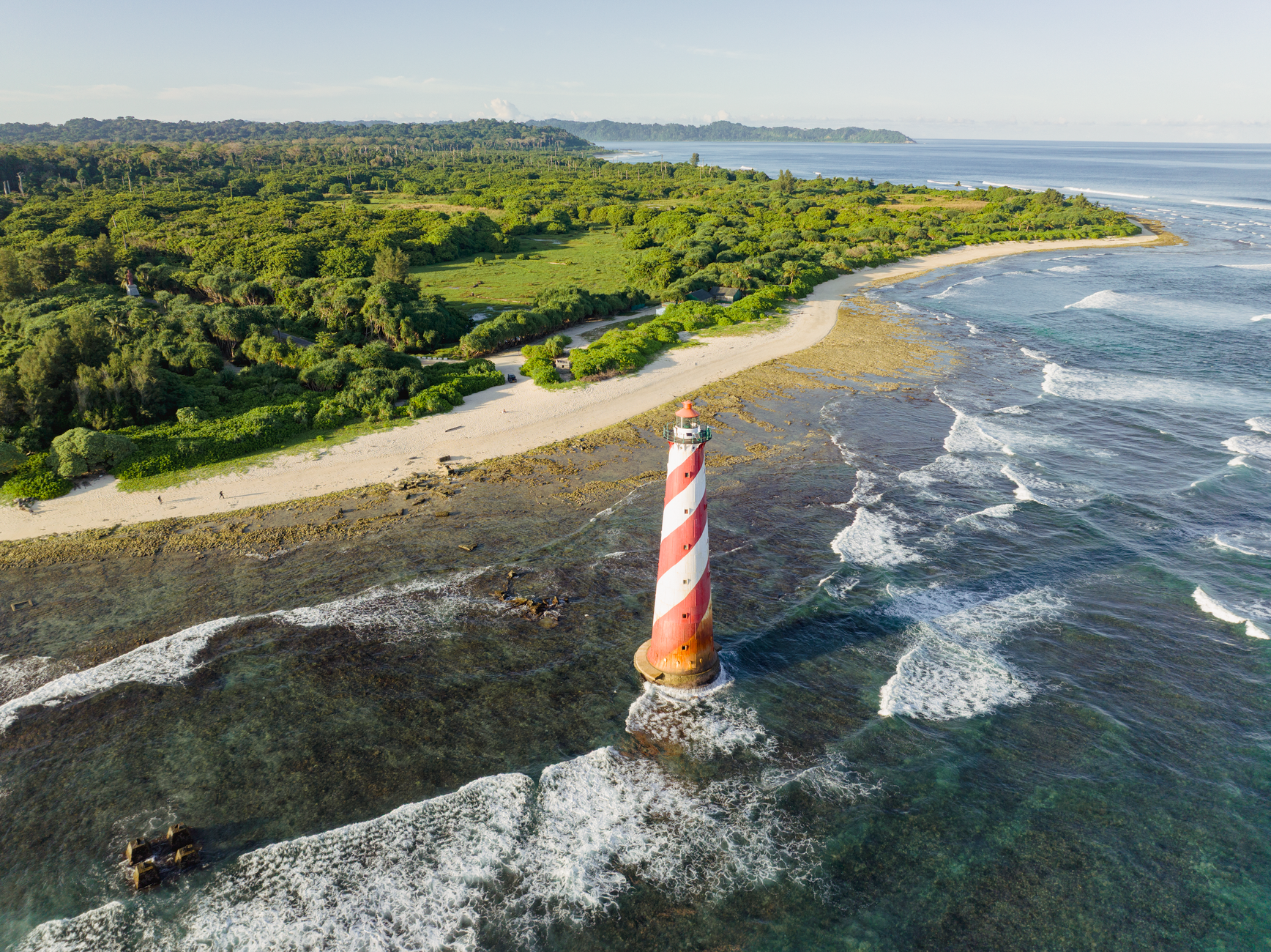
In the heart of India's lush archipelago, a storm is brewing. The Great Nicobar Island Project, a cornerstone of Prime Minister Narendra Modi's ambitious development agenda, has drawn fierce criticism from Congress leader Jairam Ramesh. He describes the endeavour as an 'onward march to environmental disaster'.
Ramesh, a seasoned environmentalist, accuses the government of flouting key environmental laws and undermining the Forest Rights Act. He warns that the project, which aims to transform the island into a strategic hub, threatens the rich biodiversity that the region harbours.
Environmental Concerns
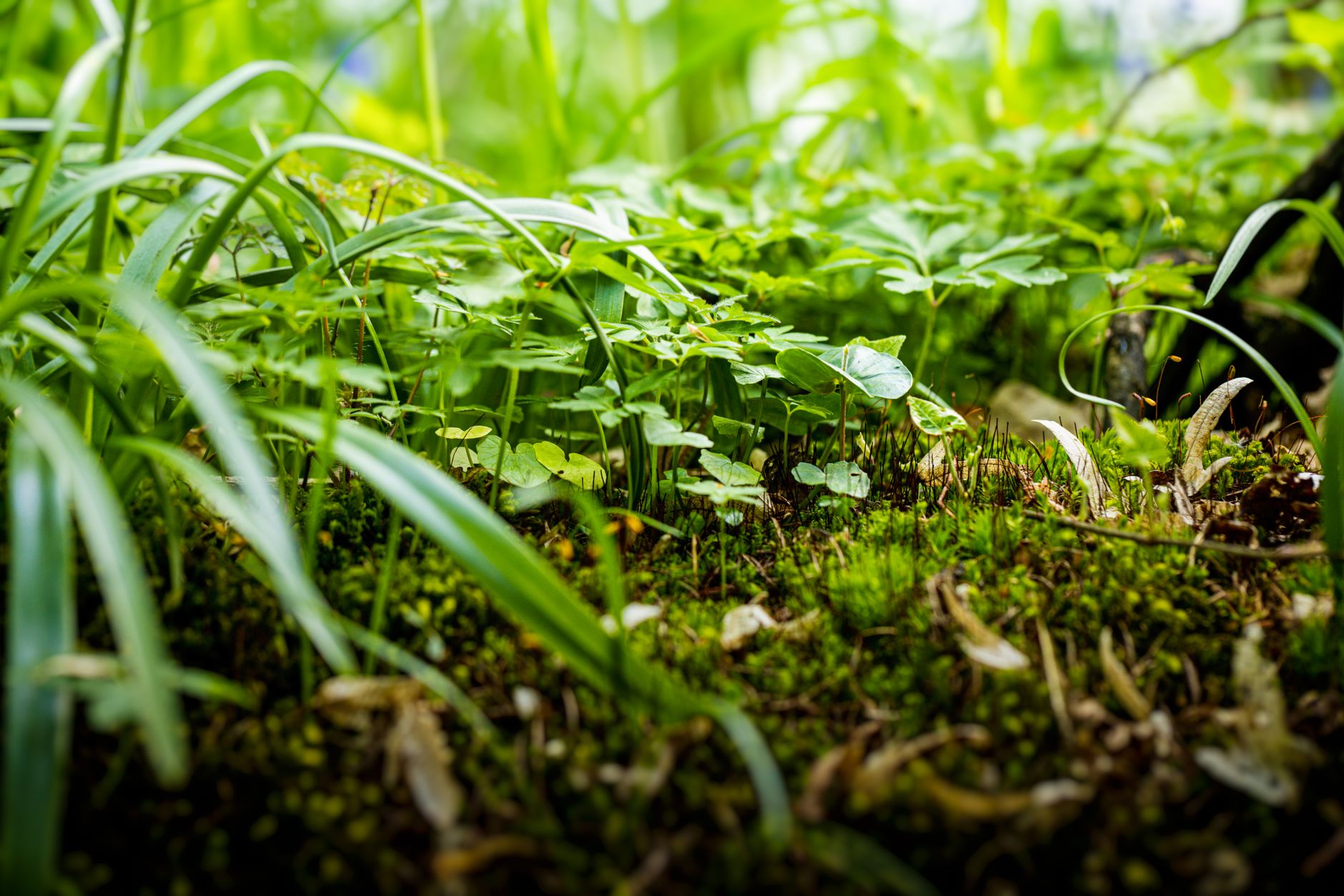
The Great Nicobar Island, known for its unique flora and fauna, is home to several indigenous communities. Critics argue that the project could displace these communities, disrupting their traditional ways of life. Ramesh contends that the nation's 'ecological conscience is on trial' as the project continues unabated.
Environmental groups have rallied behind him, filing legal challenges and highlighting the potential for irreversible ecological damage. The island's dense rainforests and vibrant marine life are at stake, they argue, as bulldozers and cranes loom on the horizon.
Development vs. Preservation
Proponents of the project, however, argue that development is crucial for national security and economic growth. The government insists that it is committed to sustainable development, balancing ecological concerns with the island's strategic importance.
Yet, the debate underscores a broader national struggle: how to reconcile economic ambitions with environmental stewardship. As courtrooms prepare to adjudicate the legal challenges, public opinion remains divided. Is the cost of progress too high when measured against the backdrop of a fragile ecosystem?
The outcome of this controversy could set a precedent for future projects across the nation. For now, the Great Nicobar Island Project remains a contentious symbol of the dichotomy between development and conservation in modern India.