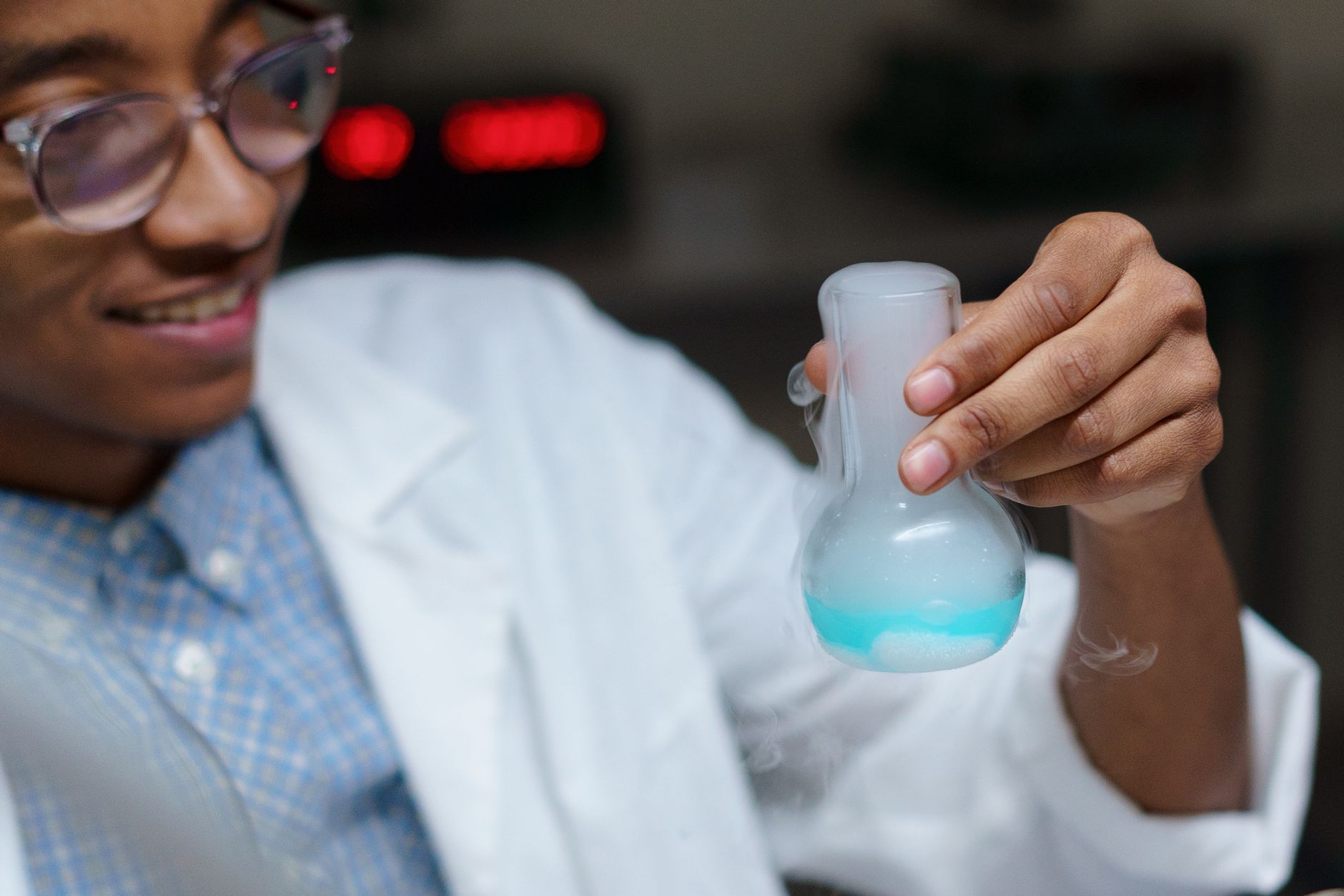
Could Vitamin B3 Be the Key to Tackling Deadly Brain Cancer?
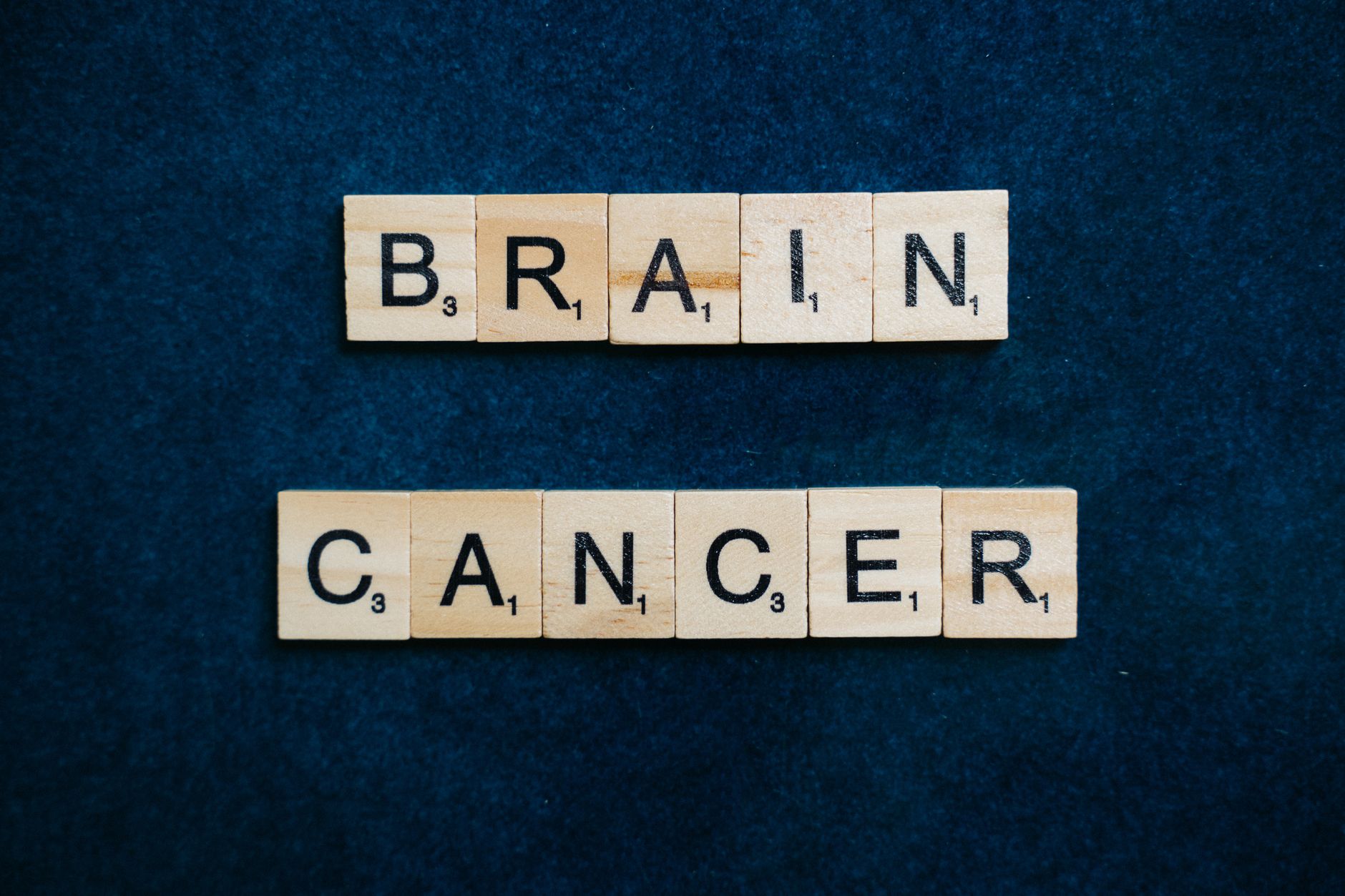
The quest to conquer glioblastoma, a formidable brain cancer notorious for its aggressive nature and poor prognosis, has led scientists to an unexpected ally: vitamin B3. This common vitamin, often found in our daily multivitamins, is now under scrutiny for its potential role in bolstering the immune system’s fight against this lethal tumour.
Researchers from various esteemed institutions are currently investigating whether vitamin B3 can enhance the body's natural defences. The idea is beguiling in its simplicity: augment the immune system's ability to recognise and attack cancer cells, thereby slowing down the tumour's relentless progression. Initial findings are promising, suggesting that vitamin B3 might indeed play a part in this complex battle.
The Science Behind the Hope
Glioblastoma multiforme stands as one of the deadliest cancers, largely due to its resistance to conventional treatments and its rapid growth. Most patients face a bleak prognosis, with survival rates hovering around 14 to 16 months post-diagnosis. In this grim context, any potential breakthrough, even one involving a humble vitamin, offers a glimmer of hope.
Vitamin B3, or niacin, is believed to potentially enhance the body’s immune response by influencing the activity of certain immune cells. Early studies suggest that niacin may help these cells better identify and attack glioblastoma cells, though the exact mechanisms remain a subject of ongoing research.
Proceed with Caution
Despite the optimism, medical experts urge caution. The current research is still in its experimental stages. High doses of vitamin B3 are not without risks and should not be self-administered without medical supervision. Experts stress the importance of conducting rigorous clinical trials to ascertain the vitamin's efficacy and safety in this new role.
While the notion of a common vitamin aiding in the fight against such a formidable cancer is appealing, it is critical that scientific rigour is maintained. Only through comprehensive studies can we determine the true potential of vitamin B3 in the battle against glioblastoma.
As the research community continues to explore this intriguing possibility, patients and doctors alike must wait patiently for more conclusive evidence. For now, the story of vitamin B3 and glioblastoma remains one of cautious optimism, underscored by the hope that a simple vitamin might one day contribute to saving lives.