Courts Crack Down on Unauthorised Constructions Near Chandigarh
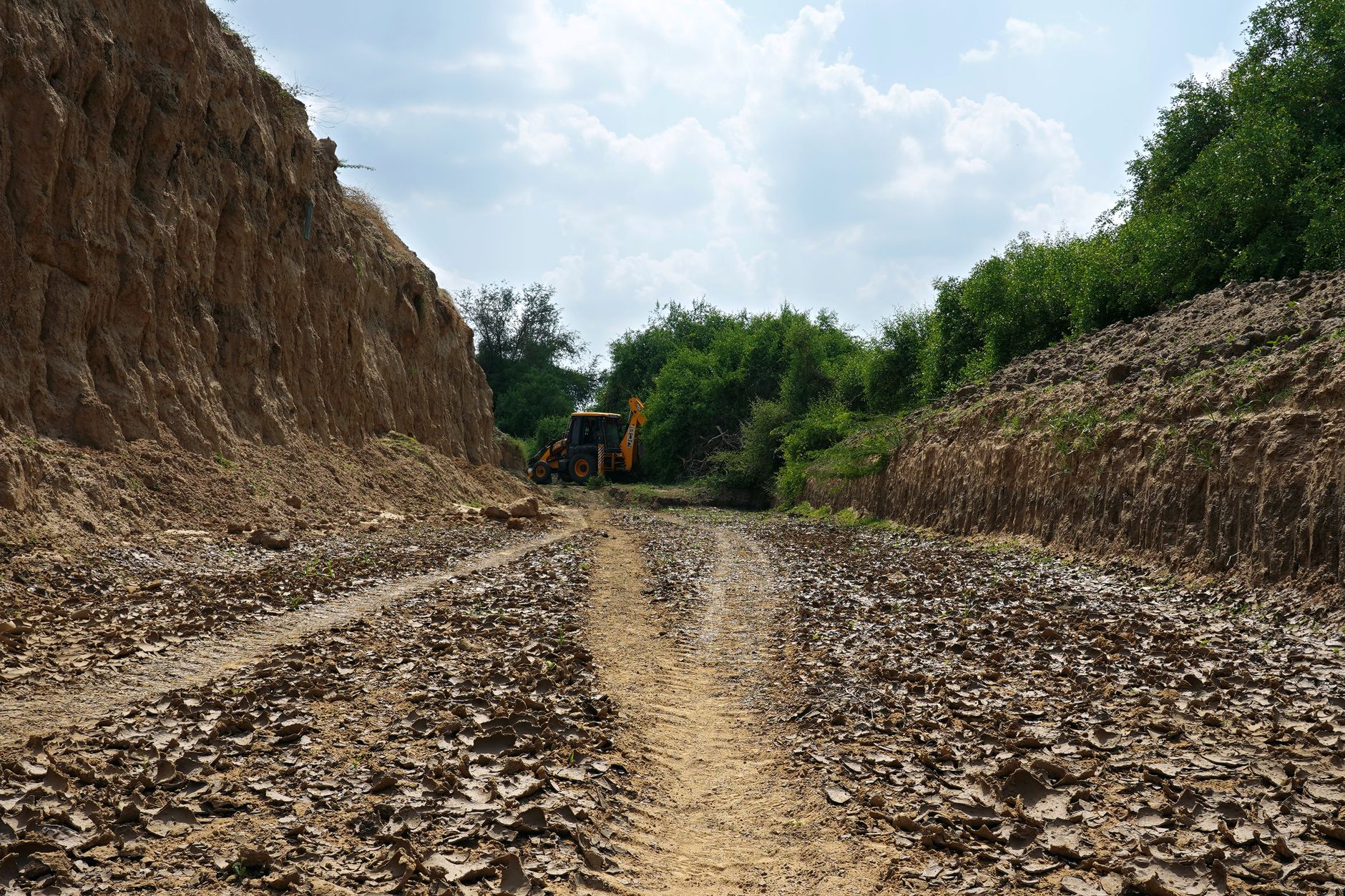
In a decisive stride towards protecting India's dwindling forest cover, the Indian judiciary has taken a firm stance against unauthorised constructions that have been mushrooming on the periphery of Chandigarh. This action comes as part of a broader judicial crackdown aimed at preserving the ecological balance in regions facing rampant urban encroachment.
The Ministry of Environment, Forest and Climate Change (MoEF&CC) has been pivotal in this initiative, recently submitting a detailed report that highlights the scale and impact of these infractions. The report, filed on 8 June 2026, specifically addresses construction activities in Punjab areas that border forest lands, emphasising the urgency of the situation.
These developments have been closely followed by the National Green Tribunal (NGT) and various high courts, which have been increasingly vocal about the need for stringent measures. The courts' orders reflect a growing impatience with the disregard for environmental regulations that has characterised much of the region's development in recent years.
Judicial Vigilance and Environmental Preservation
The courts' orders are not merely reactive but part of an ongoing effort to enforce compliance with environmental laws. These initiatives are crucial in a country where rapid urbanisation often trumps ecological considerations. The judiciary's involvement is a reminder that urban development must not come at the expense of the environment.
The implications of these orders extend beyond Chandigarh. They serve as a warning to other regions where similar encroachments threaten biodiversity and natural resources. The judiciary's uncompromising attitude towards such violations sets a precedent for future cases across the nation.
As these court battles unfold, they highlight a broader societal challenge: balancing development with sustainability. While the need for housing and infrastructure is undeniable, the manner in which they are pursued must be scrutinised to prevent long-term ecological damage.
With the courts taking an active role, there is hope that a more sustainable model of growth can emerge—one where environmental preservation is not an afterthought but a guiding principle.