Debt Burden Overshadows Education in Developing Nations
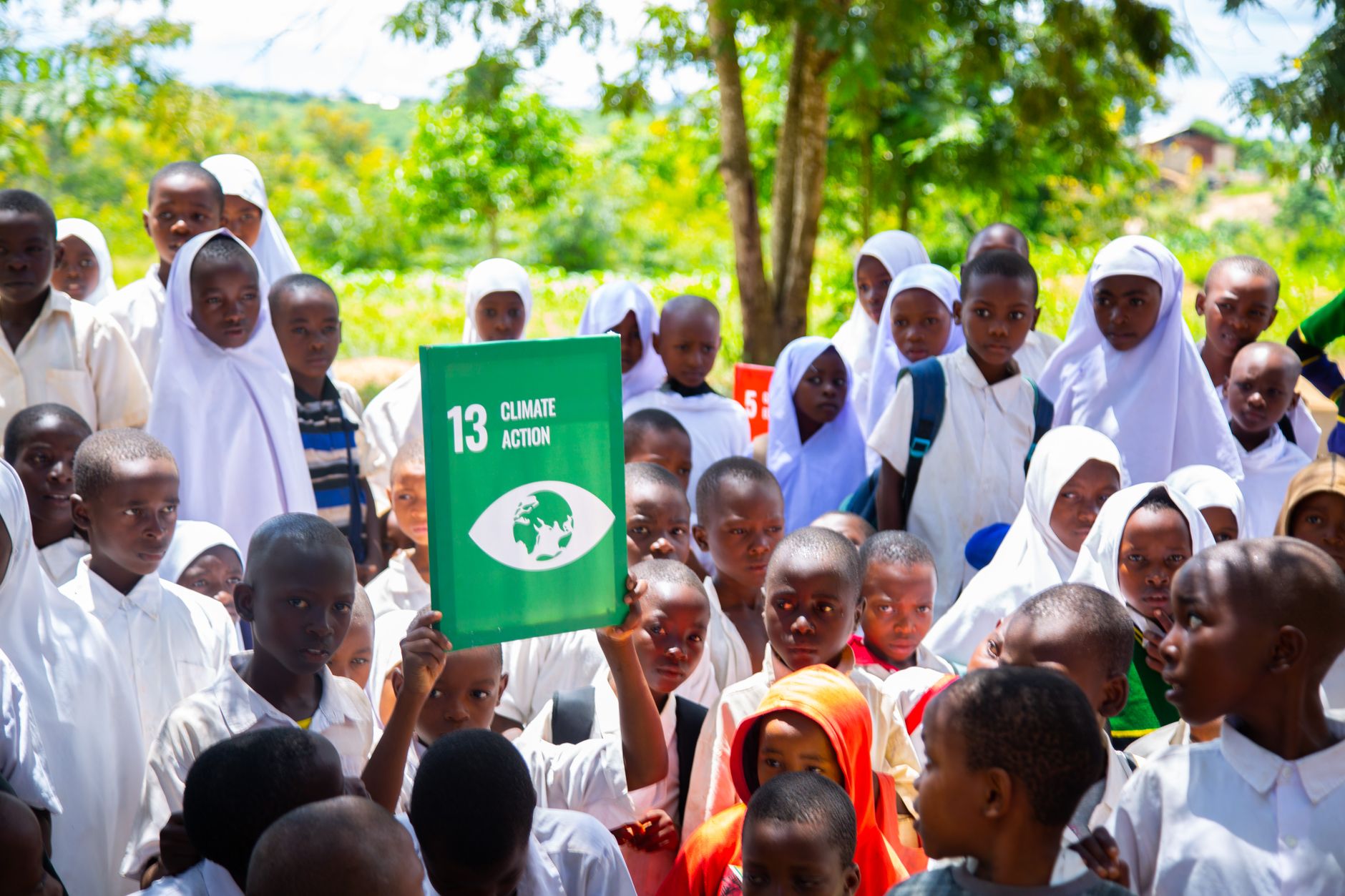
The financial priorities of developing nations have taken a troubling turn, as a recent United Nations report sheds light on the disconcerting allocation of funds. In a stark revelation, almost half of the world’s population resides in countries that allocate more of their financial resources to repaying foreign debt than investing in education.
Last year saw developing nations spend an unprecedented $1.4 trillion on external debt commitments, overshadowing budgets for critical sectors like education and health. This financial strain has been exacerbated by depreciating currencies and an unpredictable global economic climate, placing an even greater burden on the world's poorest countries.
A Crisis Beyond the Numbers
It is not merely a question of financial misallocation. The consequences of prioritising debt over education are profound, affecting literacy rates, school enrolment statistics, and ultimately, the readiness of young people entering the workforce. A nation’s future economic stability and growth are intrinsically linked to its investment in education.
UNESCO’s recent report highlights debt-for-education swaps as a potential silver lining. This mechanism allows countries to convert a portion of their debt into direct investments in education, offering a lifeline to nations grappling with the choice between debt repayment and educational development.
Implications for Future Generations
The ramifications of neglecting education in favour of debt payments are stark. A poorly educated workforce limits a country's economic potential, curtails innovation, and exacerbates poverty. As global aid to education faces a projected decline of up to 30%, the urgency of addressing these issues becomes even more paramount.
In an increasingly interconnected world, the ripple effects of educational neglect in developing nations will not remain contained. The international community must consider these challenges with the gravity they deserve, ensuring that financial strategies do not mortgage the future of the world's youth.