Decoding RADAR: The Science Powering India's Defence and Beyond
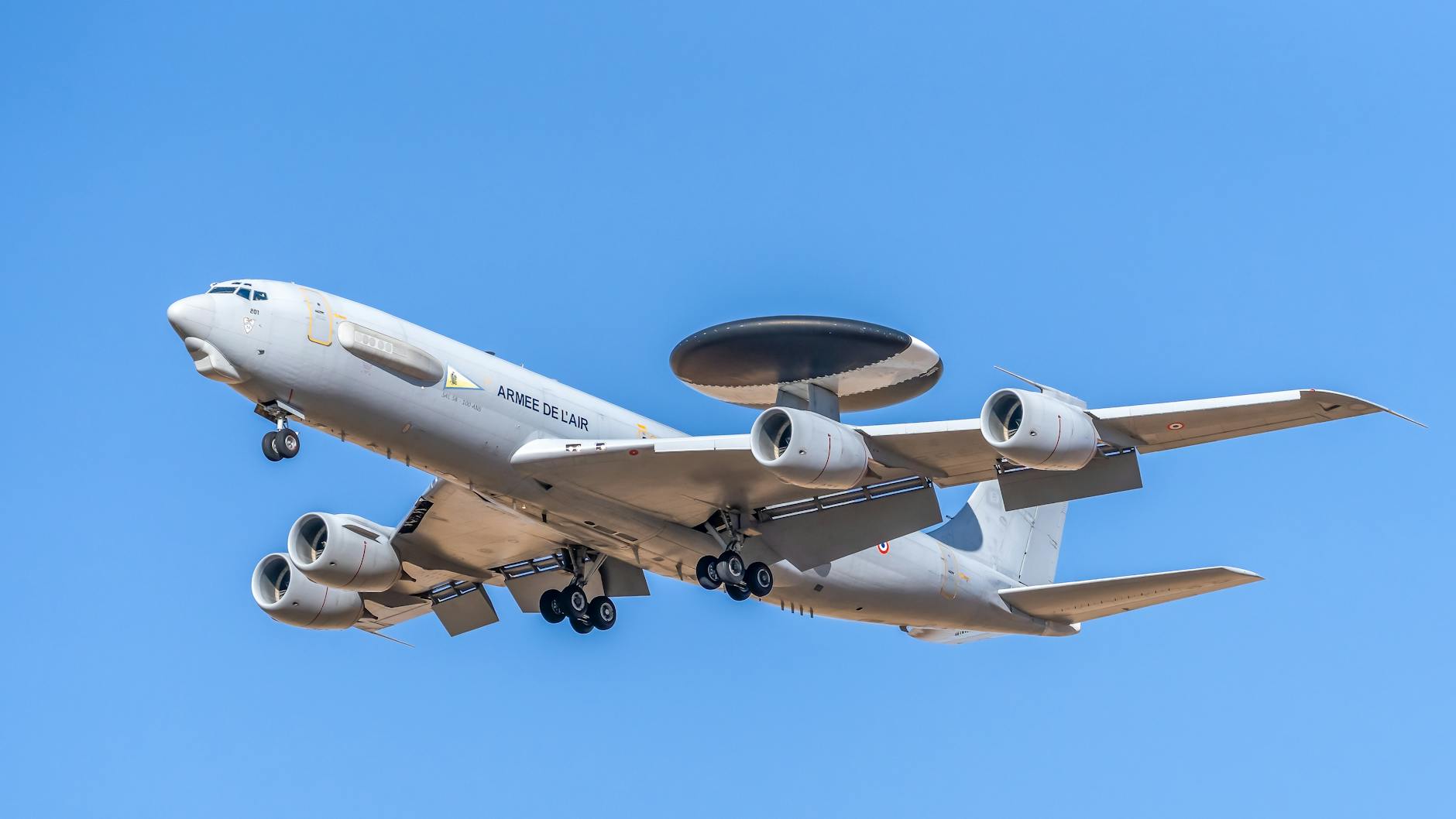
In the vast expanse of technological advancement, few innovations have been as transformative as RADAR. An acronym for Radio Detection and Ranging, RADAR systems have quietly revolutionised the way we perceive and interact with our environment. Unlike many technologies that have come and gone, the utility of RADAR remains robust and ever-growing.
At its core, RADAR is an electromagnetic sensor capable of detecting, locating, and tracking objects over considerable distances. By transmitting radio waves and measuring the echoes that bounce back, RADAR can determine an object's distance, speed, and even its shape. This capability is not just a triumph of scientific ingenuity but also a testament to the ongoing evolution of electromagnetic technology.
Applications Across Various Sectors
In India, RADAR technology is indispensable, particularly in the defence sector. The Indian military relies heavily on RADAR for surveillance, missile guidance, and reconnaissance. The ability to track incoming threats and coordinate defensive measures is vital in maintaining national security.
Beyond the battlefield, RADAR plays a crucial role in civilian life. Air traffic control systems depend on RADAR to manage the complex choreography of aircraft in flight. It ensures that planes land and take off safely, coordinating thousands of flights daily without a hitch. Similarly, meteorologists use RADAR to track weather patterns, helping predict storms and avert disasters.
Maritime and Emerging Uses
The maritime industry also benefits from RADAR's precision. Ships equipped with RADAR can navigate safely through treacherous waters, avoiding collisions and detecting other vessels or obstacles at sea. This technology is crucial for a country like India, with its extensive coastline and bustling ports.
As technology advances, new applications for RADAR continue to emerge. From autonomous vehicles to urban planning, the potential uses are vast and varied. In the realm of autonomous driving, RADAR sensors help vehicles 'see' their surroundings, ensuring safe navigation without human intervention.
In conclusion, RADAR technology is not merely a relic of the 20th century but a dynamic, evolving tool integral to modern society. Its applications in India highlight its versatility and importance, underscoring its role in both safeguarding the nation and enhancing everyday life.