Delhi's Ambitious Blueprint: Unveiling NCR Regional Plan 2041
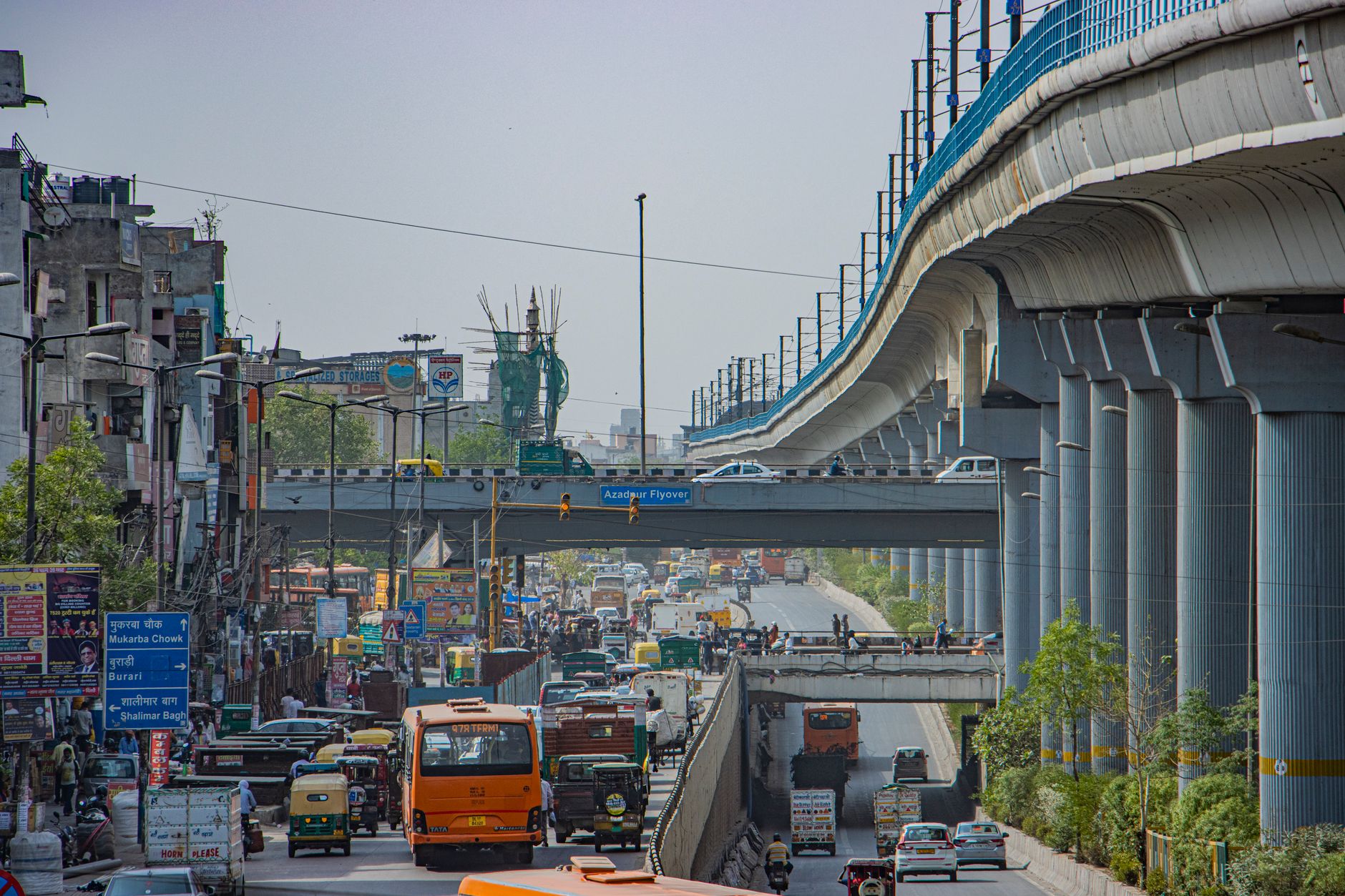
In an ambitious move to redefine the National Capital Region's development paradigm, the NCR Regional Plan 2041 has been unveiled. A blueprint that promises to overhaul the urban landscape, it foresees the creation of up to eight new smart townships and a network of expressways designed to link these burgeoning hubs with Delhi in a mere 30 minutes.
At the heart of this plan is the introduction of superfast trains, a critical component in reducing commute times and easing the capital's notorious traffic congestion. This leap in infrastructure is not just about quicker journeys; it's about reimagining connectivity in a region that grapples with the challenges of rapid urbanisation.
Environmental Considerations
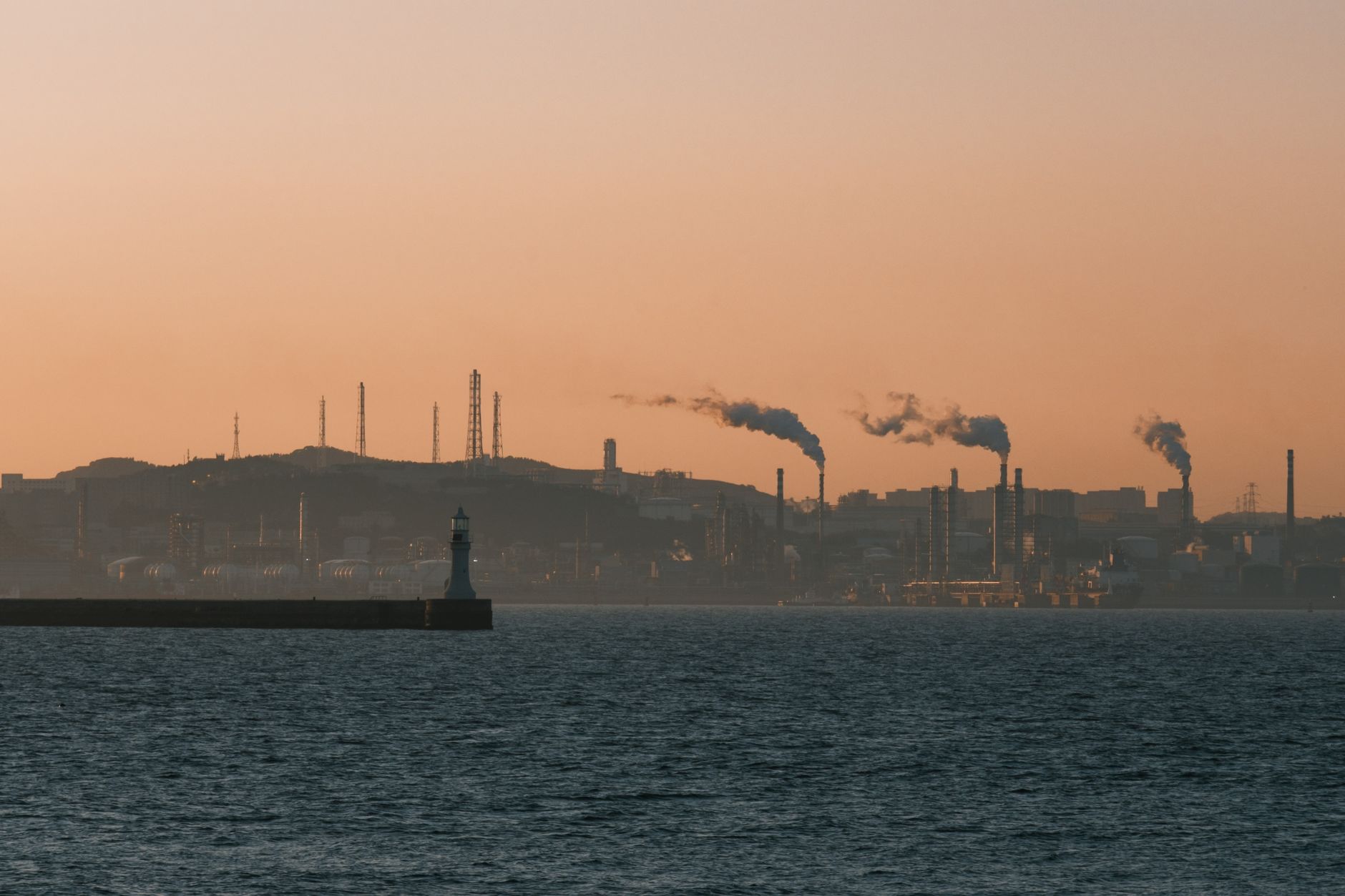
However, infrastructure development alone is not the sole focus. The plan also introduces stringent environmental regulations, a necessary step given the NCR's ongoing battle with pollution and ecological degradation. These measures are intended to ensure that growth does not come at the expense of the environment, a balance that has eluded many urban planners in the past.
Among the proposed regulations are rules that would govern industrial emissions and waste management, reflecting a broader commitment to sustainability. The plan advocates for green spaces and the preservation of existing natural habitats, recognising the need for a healthier living environment.
Implications for the Future
The NCR Regional Plan 2041 is not just a testament to visionary urban planning but a declaration of intent. It signals a shift towards a more integrated and environmentally conscious approach to regional development. For residents, this could mean improved quality of life, with better air quality and reduced travel times enhancing daily living.
Yet, the success of this plan hinges on effective implementation and collaboration across multiple governmental and private sectors. As with any grand vision, the devil will be in the details, and it will require unwavering commitment to see it through.
This plan represents more than just infrastructure; it's a bold attempt to craft a sustainable future for one of the world's fastest-growing urban areas. As the blueprint unfolds, it will be closely watched, serving as a potential model for other regions grappling with similar challenges.