Delhi's Battle Against Pollution: Yadav Urges Swift Action
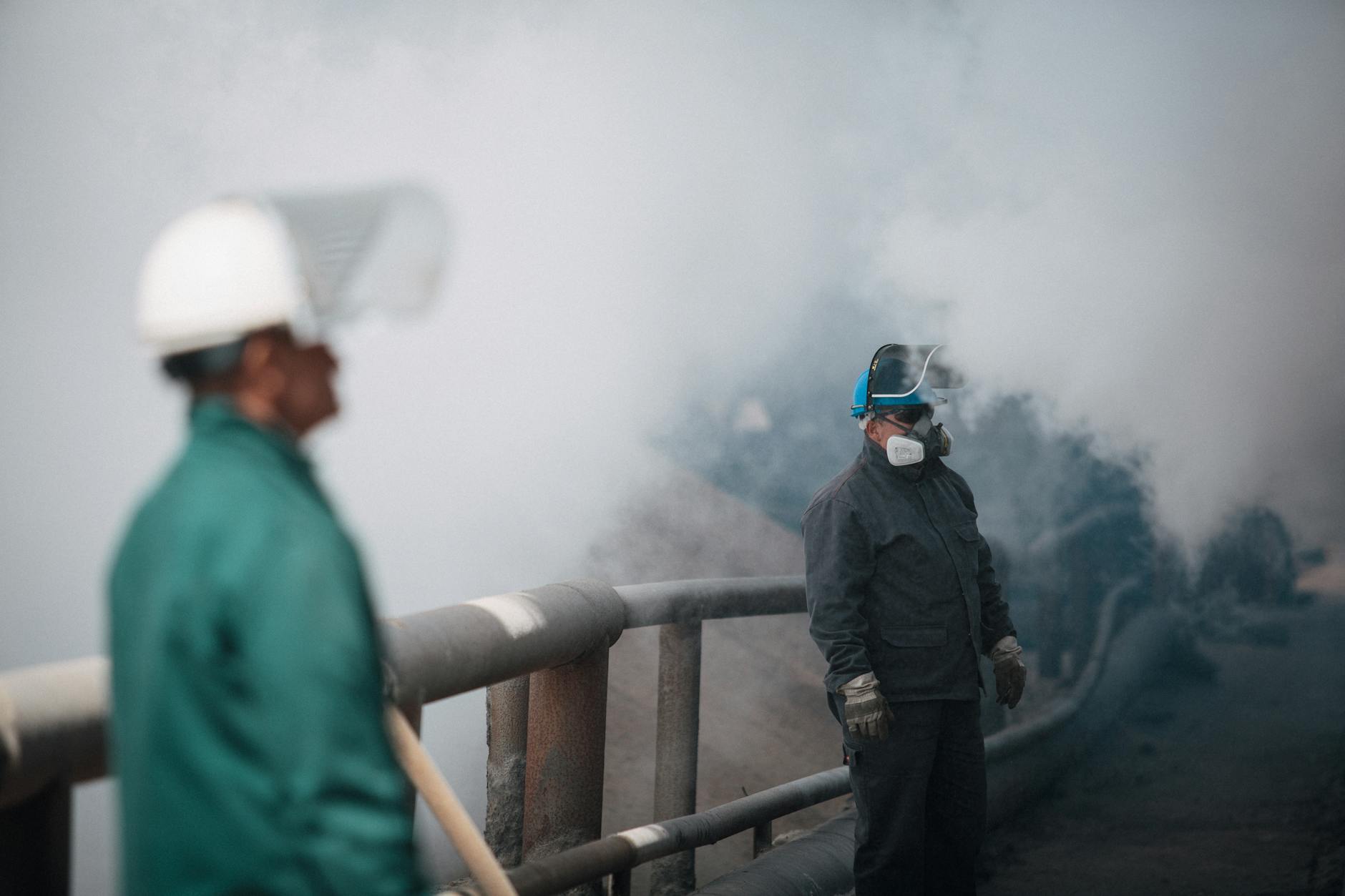
As Delhi's air quality index dips alarmingly into the 'severe' category, Union Environment Minister Bhupender Yadav has urged an expedited implementation of anti-pollution measures. Addressing the persistent smog that chokes the capital, Yadav emphasised the necessity for a comprehensive overhaul of current strategies.
Yadav's remarks come in the wake of the central government's decision to invoke the third stage of the Graded Response Action Plan (GRAP) across Delhi-NCR. This move, a response to the degrading air quality, aims to impose stricter controls on emissions and dust generation.
Revamping Delhi’s Infrastructure
At the heart of Yadav’s directives is an ambitious plan to redevelop over 3,300 km of Delhi's roads by next year. This redevelopment will incorporate dust control measures, aiming to curb one of the major contributors to the city's pollution woes. Yadav advocates for the complete paving of roads and extensive plantation drives, involving local youth groups to foster community participation in environmental initiatives.
“The comprehensive road paving, coupled with large-scale plantation of local shrubs, is crucial in our fight against pollution,” Yadav stated, highlighting the dual benefit of reducing dust and increasing green cover.
Demand for Accountability
Yadav has also instructed state and Union territory authorities within the NCR to submit detailed action-taken reports by the end of the year. These reports are expected to outline their specific pollution control initiatives, ensuring accountability and transparency in the ongoing battle against air pollution.
Furthermore, the Delhi government has been urged to ramp up road-cleaning operations, with plans to deploy 78 large and medium mechanical road sweepers, along with 1,000 litter pickers by 2026. These measures are designed to significantly reduce the particulate matter that contributes to the capital's infamous winter smog.
While the data from the last source apportionment studies conducted in 2016 and 2018 by IIT Kanpur and TERI are becoming obsolete, a fresh approach is evidently on the cards. The suspension of the 2021 study by Washington University, labelled as 'unsatisfactory', further complicates the city's path to cleaner air.
As the winter months approach, the urgency for effective pollution control measures is palpable. With Yadav’s directives setting the tone, the onus now lies on regional authorities to deliver tangible results and ensure that Delhiites can breathe a little easier.