Digital Pilgrims: The Technological Evolution of Hajj
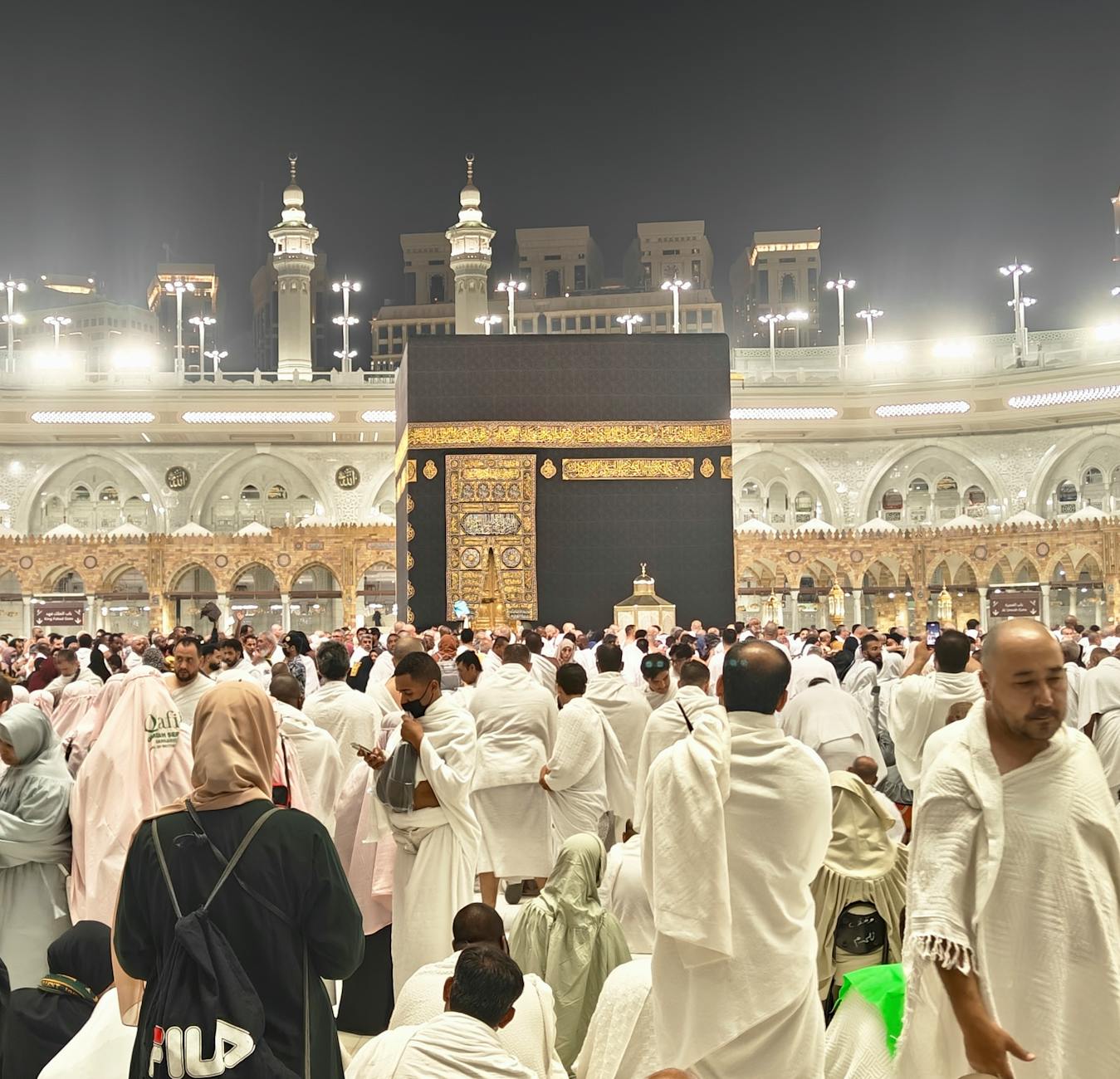
In the heart of the Saudi desert, amidst a sea of white-clad pilgrims, a quiet revolution is unfolding. This year, as nearly two million worshippers converge on Mecca for Hajj, technology is proving to be the unsung hero of this monumental event. From smart wristbands to AI-driven logistics, the digital infrastructure supporting Hajj is nothing short of remarkable.
At the forefront of this transformation is the Communication, Space and Technology Commission, ensuring that every prayer, every movement is seamlessly integrated into a vast network of digital services. These services include real-time data flow, stable connectivity, and efficient app performance, all essential for managing the sheer scale of the pilgrimage.
Ensuring Safety and Efficiency
Safety has always been a paramount concern during Hajj. In recent years, technology has become indispensable in safeguarding the health and well-being of pilgrims. Smart wristbands, for instance, are equipped with GPS and health monitoring features, allowing for instant location tracking and emergency response if needed.
Furthermore, digital platforms facilitate crowd management, enabling authorities to monitor and direct the flow of people with unprecedented precision. This not only prevents overcrowding but also enhances the overall experience, allowing pilgrims to focus on their spiritual duties without logistical distractions.
The Broader Implications
Saudi Arabia's investment in technology for Hajj is part of a larger vision. The country's ambitious digital transformation strategy aims to position it as a leader in tech innovation across the Middle East. By integrating cutting-edge solutions into one of the most challenging logistical operations in the world, Saudi Arabia is setting a precedent for how technology can enhance traditional practices.
As the Hajj pilgrimage concludes, the impact of these technological advancements will be analysed and refined. Yet, what's clear is that the digital era has irrevocably changed the way this sacred journey is experienced, making it safer, more efficient, and more accessible than ever before.