DNA Technology Revives Identities of Forgotten Heroes
In a quiet laboratory, miles away from the battlefields of yesteryears, scientists are working tirelessly to restore identities long forgotten. Through the marvels of modern DNA technology, the shadows of history are being illuminated, one strand at a time.
The Power of DNA
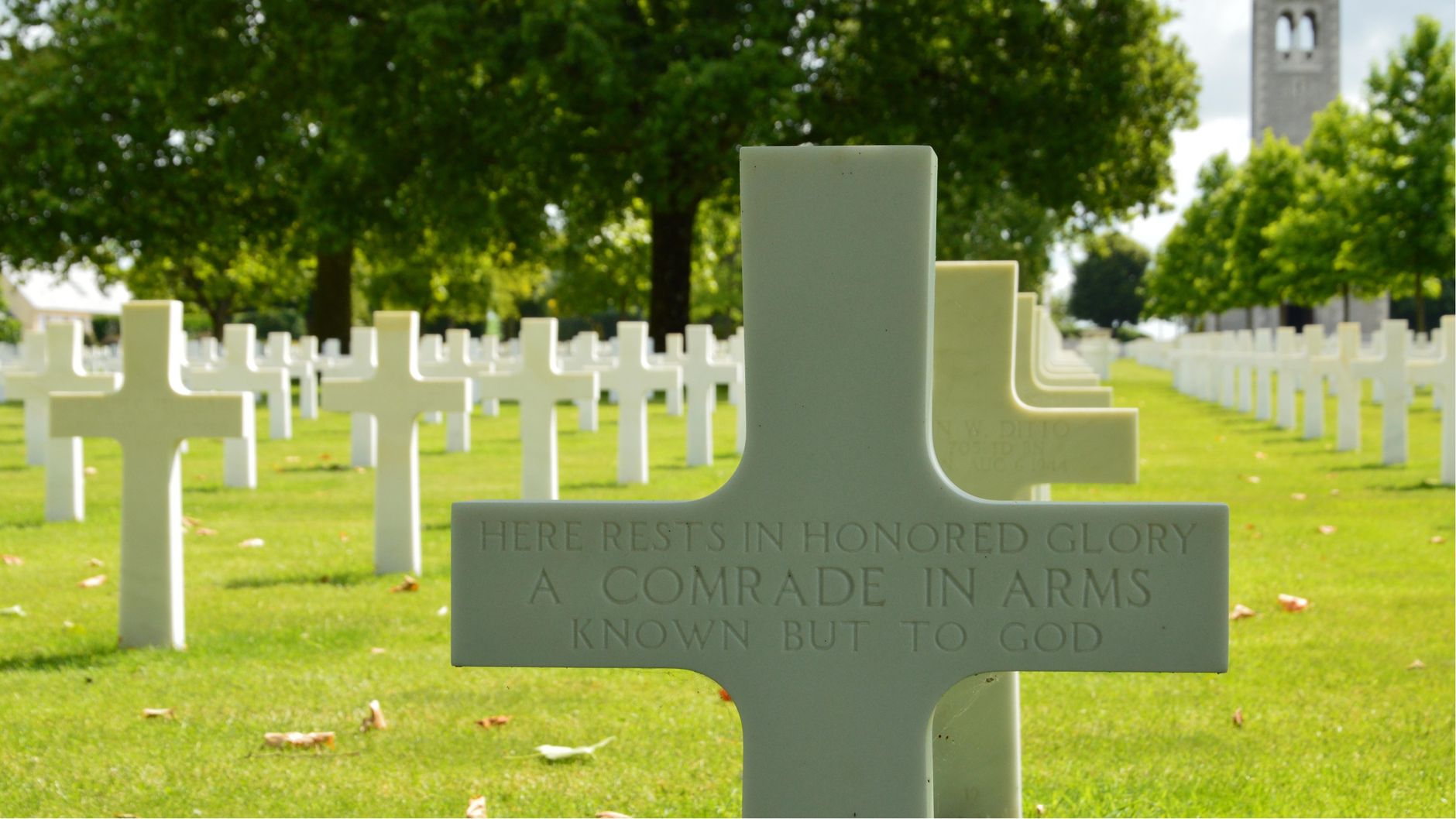
The process involves state-of-the-art nuclear DNA testing coupled with forensic genealogy, techniques more commonly associated with solving modern-day criminal mysteries. Yet, these tools have found a noble application: identifying the unknown soldiers of World War II and the Korean War. These are men and women who sacrificed everything, only to be buried without a name, without a story.
For decades, their families have lived in a void, a chasm of uncertainty and loss. Now, thanks to advancements in genetic science, closure is finally within reach. The implications are profound, not just for the families but for history itself. Each identified soldier is a piece of the puzzle, a narrative restored, contributing to the broader historical tapestry.
A Moral Duty
But why does it matter? Beyond the scientific triumph lies a moral obligation. These service members gave their lives for causes larger than themselves. Identifying them is a matter of dignity and respect. It is about ensuring that their sacrifices are acknowledged, their contributions remembered.
The debate over the use of such technology isn't without its complexities. Ethical considerations, such as consent and the handling of genetic data, are part of the conversation. However, for many, the benefits far outweigh the risks. The ability to bring closure to families and honour the fallen is a compelling argument for forging ahead.
As the technology continues to evolve, so too does our capacity to honour the past. Each identification is a victory over anonymity, a triumph of human perseverance and technological progress. In this way, the past is not just remembered; it is reclaimed, one hero at a time.