DSEL's Bold Move: 3,000 New Teachers to Revolutionise Computer Education
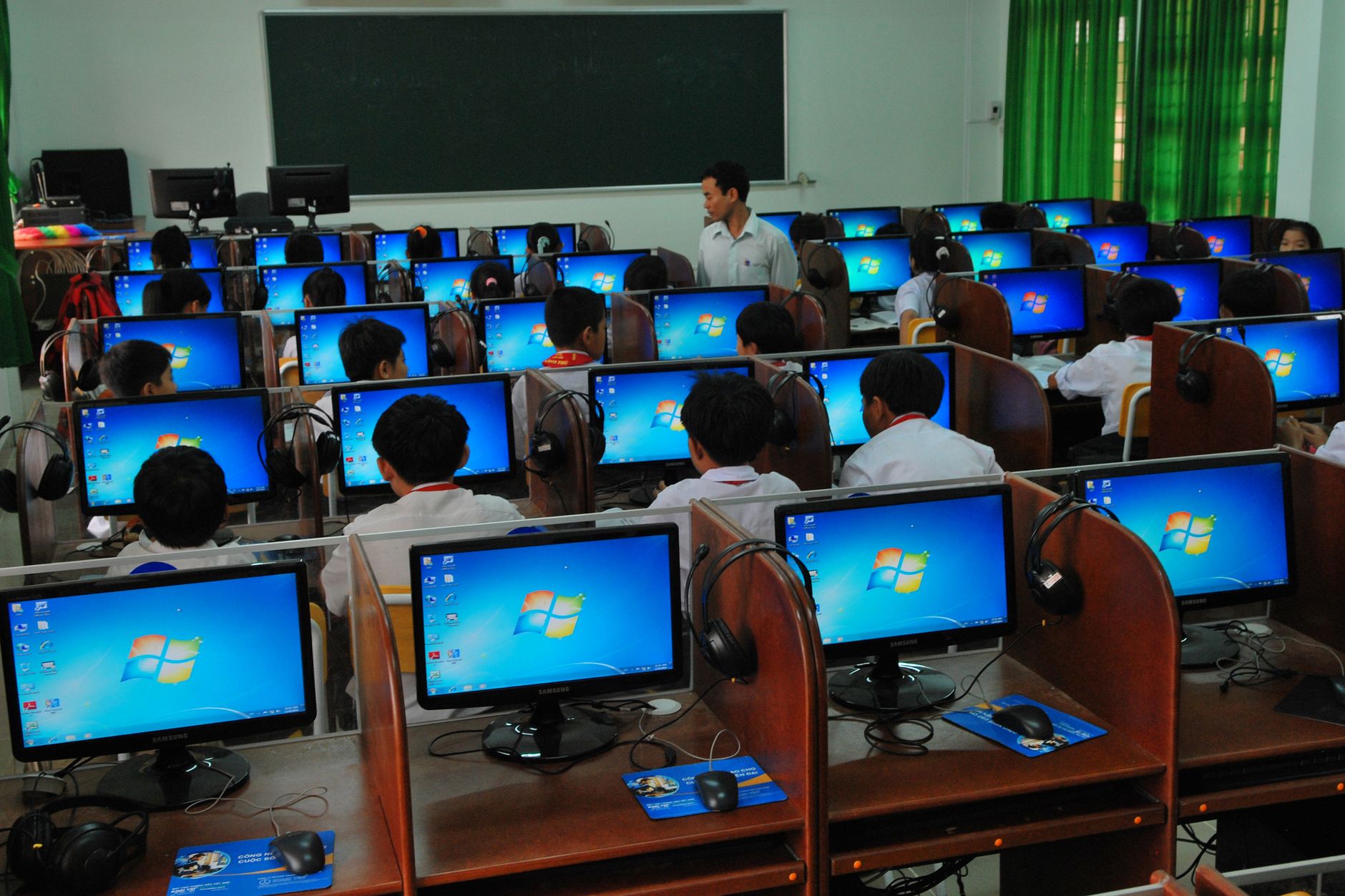
In a decisive step towards modernising education, the Department of School Education and Literacy (DSEL) has announced the recruitment of approximately 3,000 computer science teachers. This ambitious initiative aims to integrate computer science education into the curriculum of government schools, starting from class 1 through to class 10. The move is a testament to the growing recognition of digital literacy as a cornerstone of contemporary education.
The programme is part of a broader strategy to ensure that students across the country are equipped with essential technological skills from an early age. By embedding computer science into the fabric of early education, the DSEL hopes to lay a strong foundation for students, preparing them to navigate and succeed in an increasingly digital world.
The Need for a Digital Transformation
As the digital revolution continues to reshape industries globally, the demand for a tech-savvy workforce has never been more critical. In India, where the IT sector remains a significant economic contributor, ensuring that the younger generation is proficient in computer science is more than just a necessity; it's an investment in the nation's future.
Education experts have long advocated for the inclusion of technology education in schools. They argue that familiarity with computers and digital tools from a young age can significantly enhance problem-solving skills and innovation among students. The DSEL's recruitment drive, therefore, is not just about filling teaching positions; it's about transforming educational outcomes.
Implementation and Future Prospects
The recruitment process is expected to be rigorous, with the DSEL aiming to attract candidates who not only possess the requisite technical knowledge but also the passion for teaching and inspiring young minds. The selected educators will play a pivotal role in shaping the digital curriculum and fostering an environment of curiosity and creativity in classrooms.
Looking ahead, this initiative could serve as a model for other states and regions, prompting a nationwide shift towards prioritising computer science education. As technology continues to evolve, so too must the educational frameworks that prepare the next generation of innovators and leaders.