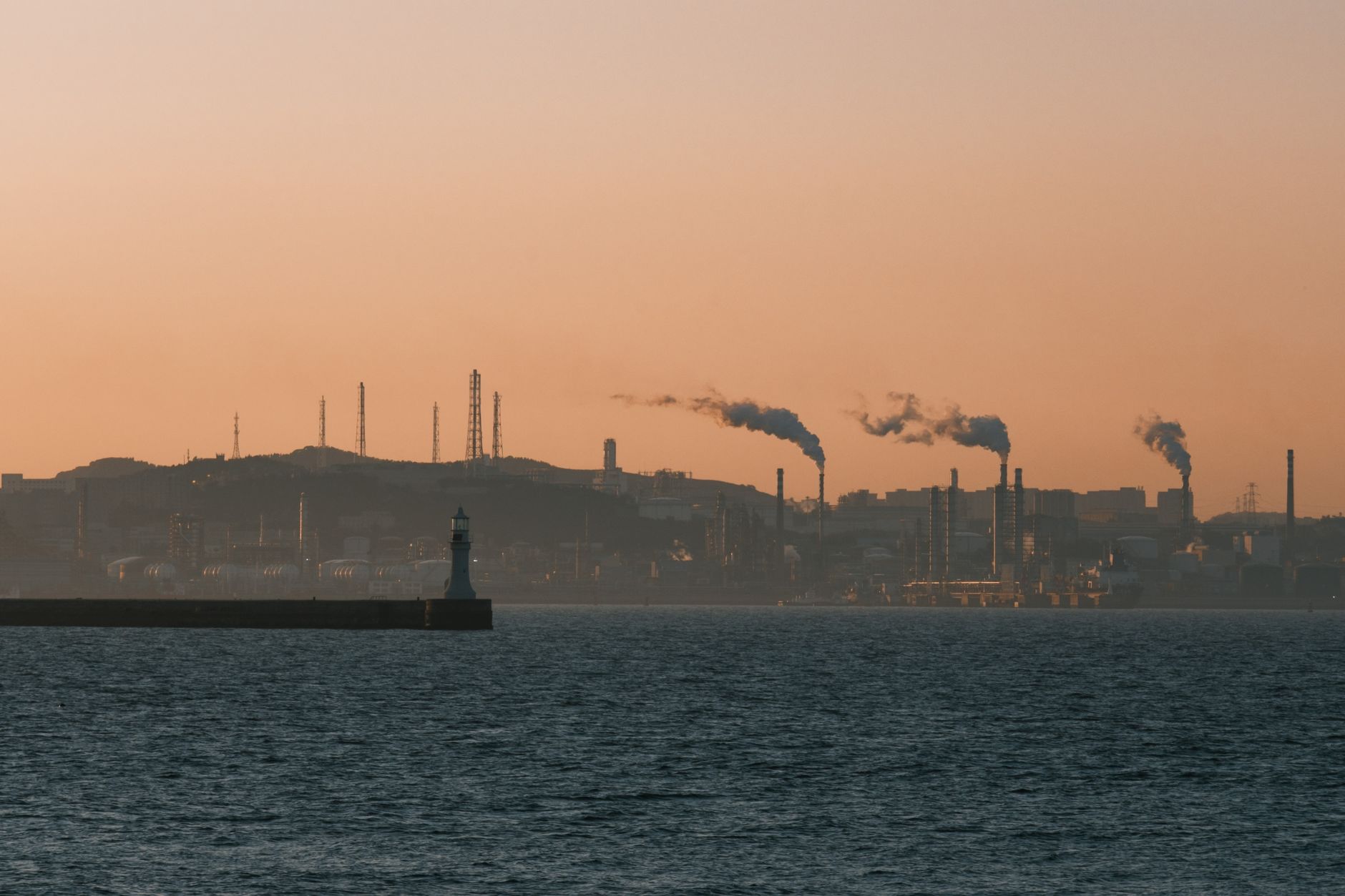
Ecofeminism: Amplifying Women's Voices in Environmental Law
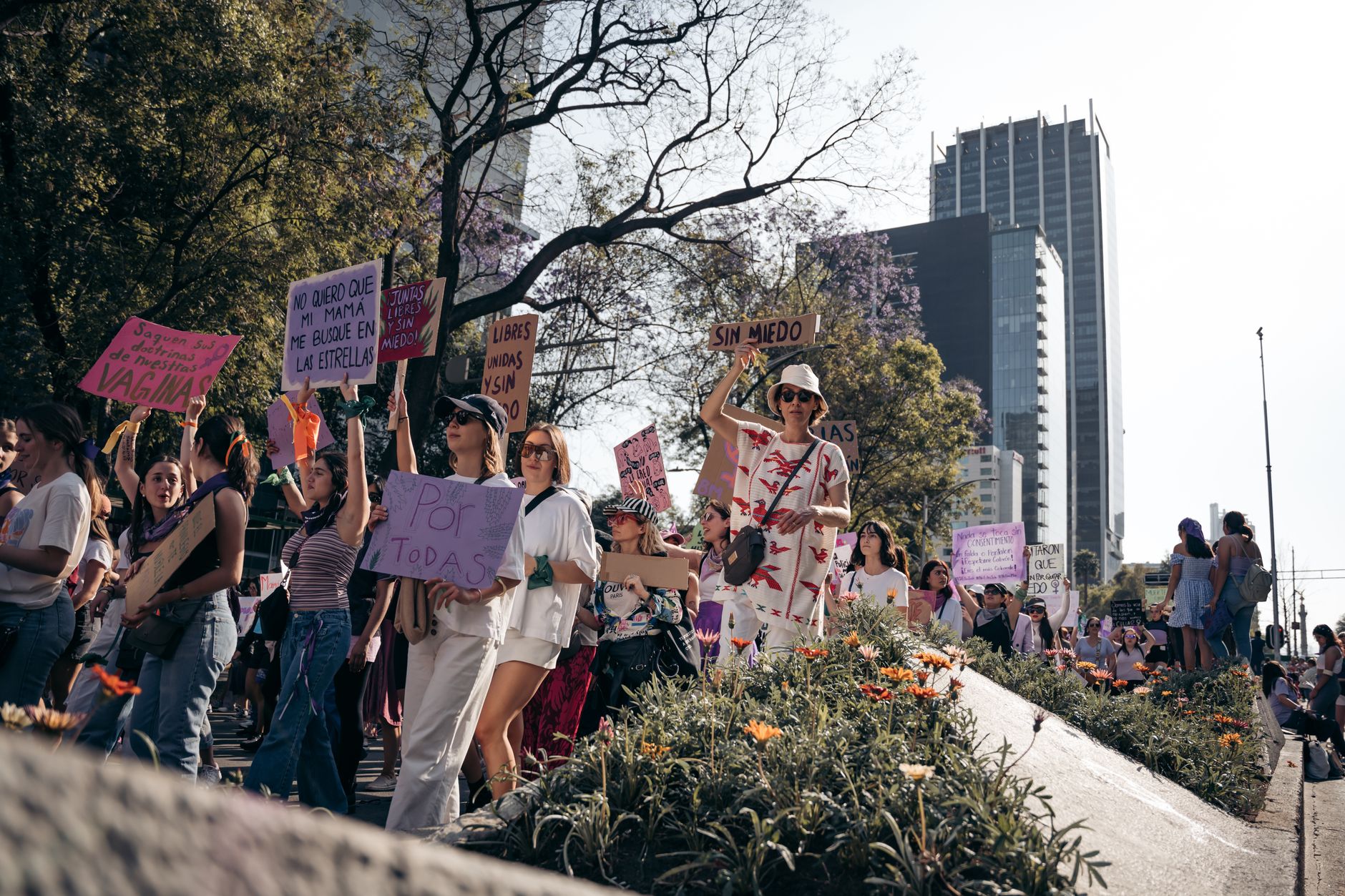
It is perhaps one of the most pressing paradoxes of our time: the very individuals who contribute least to climate change are often those who bear the brunt of its consequences. Women, particularly in developing nations, are disproportionately affected by environmental degradation. Yet, their voices remain conspicuously underrepresented in environmental law and policy-making.
Ecofeminism, a movement that connects the exploitation of nature with the marginalisation of women, argues for a holistic approach to climate justice. It suggests that empowering women is not merely a matter of equity but a pragmatic strategy for effective environmental governance. Women, as primary caregivers and agricultural labourers in many societies, possess invaluable insights into sustainable practices and resource management.
The Gendered Impact of Climate Change
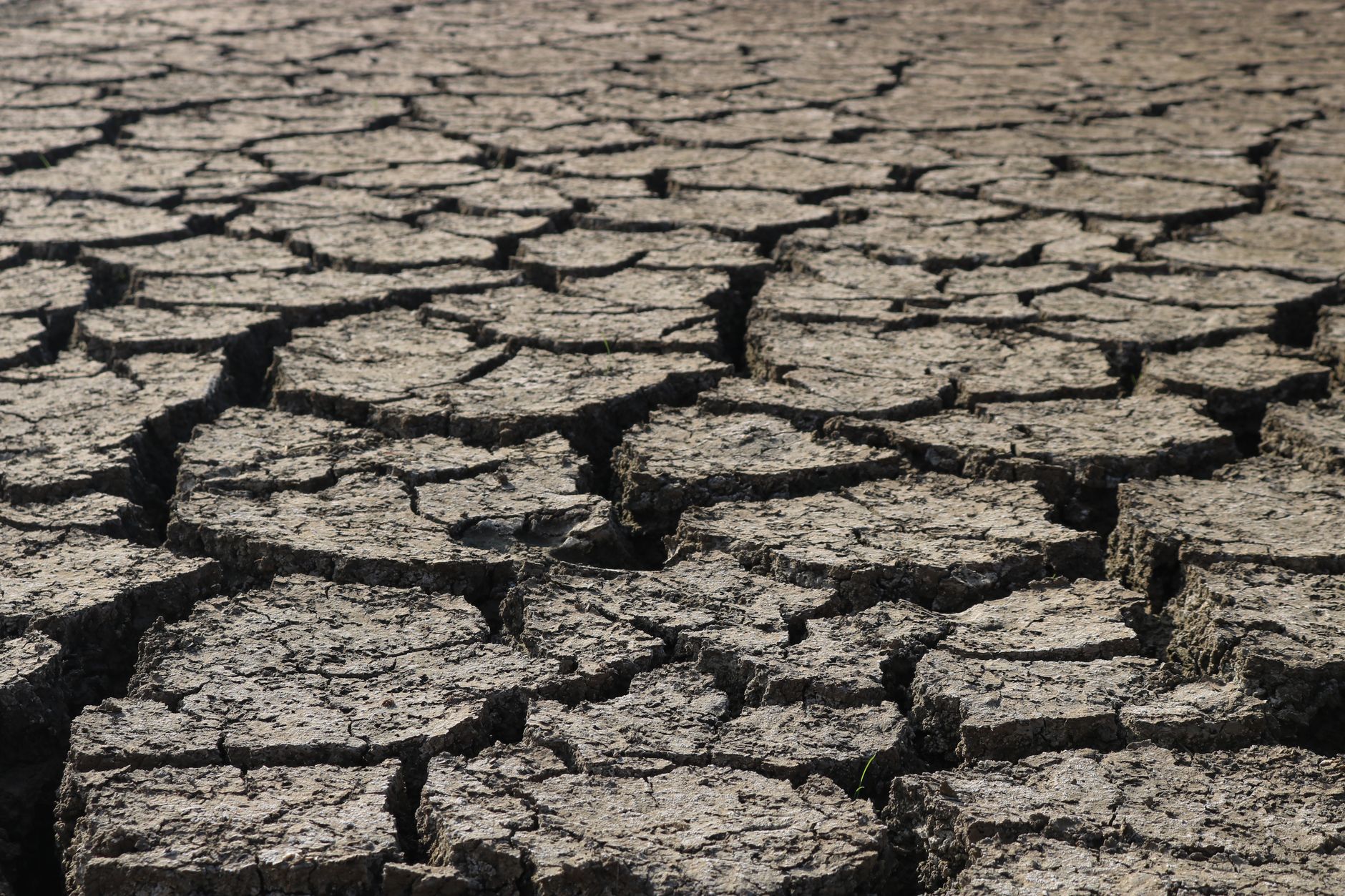
The impact of climate change is not gender-neutral. In regions where women are primarily responsible for food production and water collection, climate-induced droughts and floods can mean the difference between survival and despair. The lack of women's representation in decision-making bodies exacerbates these challenges, leading to policies that fail to address their specific needs and experiences.
For instance, when disaster strikes, women often face higher risks due to societal norms that limit their mobility and access to resources. Moreover, the intersectionality of issues such as poverty, education, and health means that women are uniquely positioned to understand and address the multifaceted nature of environmental challenges.
Policy Change and the Path Forward
To truly incorporate women's voices in environmental law, systemic changes are required. This begins with increasing female representation in political and legal spheres where climate policies are crafted. Programmes that educate and empower women to take leadership roles can catalyse change, ensuring that their perspectives are included in climate strategies.
Moreover, recognising the link between gender equality and environmental sustainability can lead to more inclusive and effective policies. International frameworks like the Paris Agreement have started to acknowledge this connection, but much work remains to be done at national and local levels.
Ultimately, ecofeminism challenges us to rethink our approach to environmental justice. It calls for an inclusive dialogue that values the contributions of women and recognises their central role in the fight against climate change. As we strive for a sustainable future, ensuring that women's voices are not just heard but amplified is essential.