Endangered Species' Wits No Match for Human Havoc
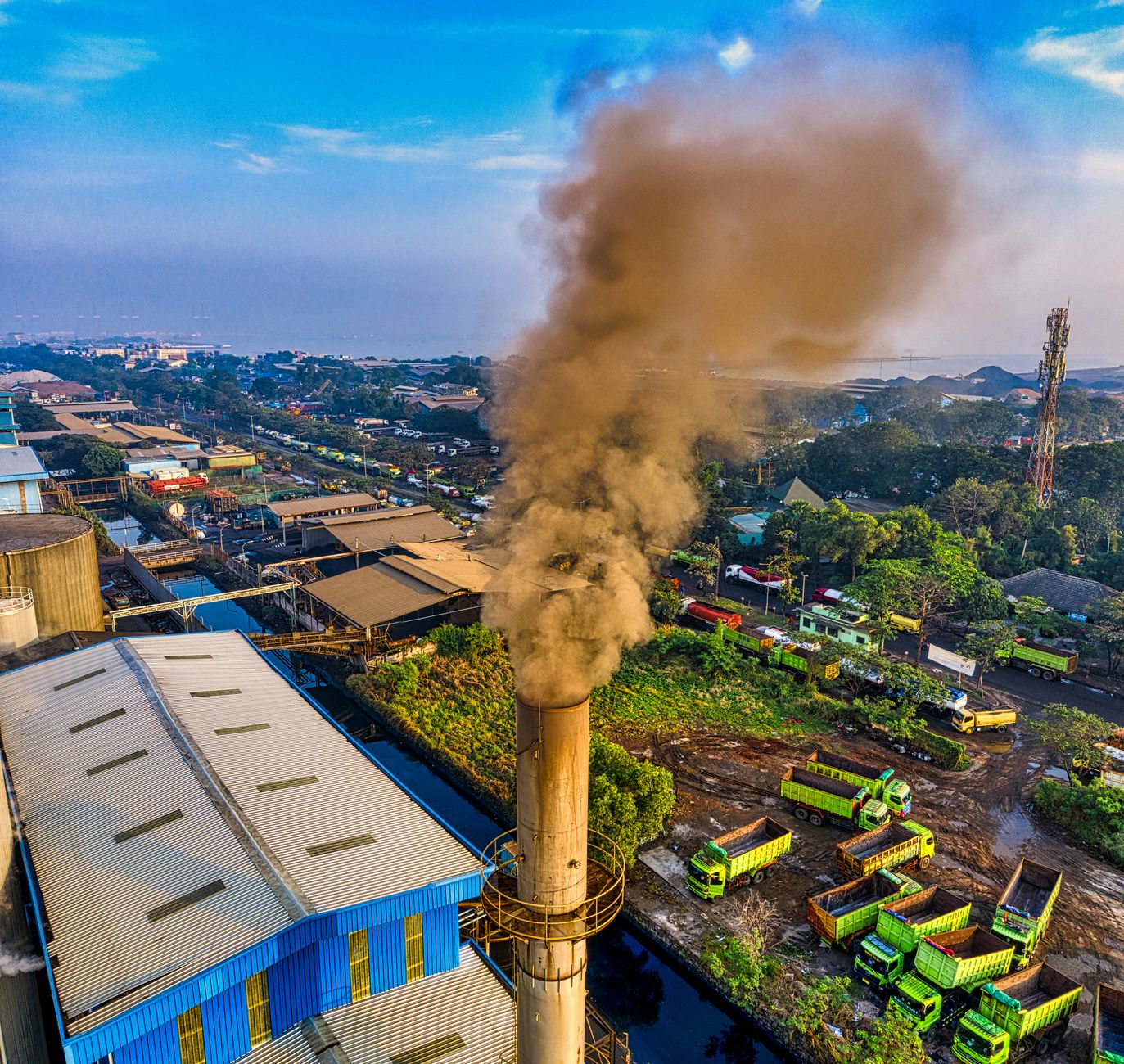
In an era where human endeavours know no bounds, the latest red list emerges as a stark reminder of the collateral damage wrought upon nature. Many species, having honed their survival tactics over millennia, find themselves outmatched by the relentless march of industrialisation and climate change.
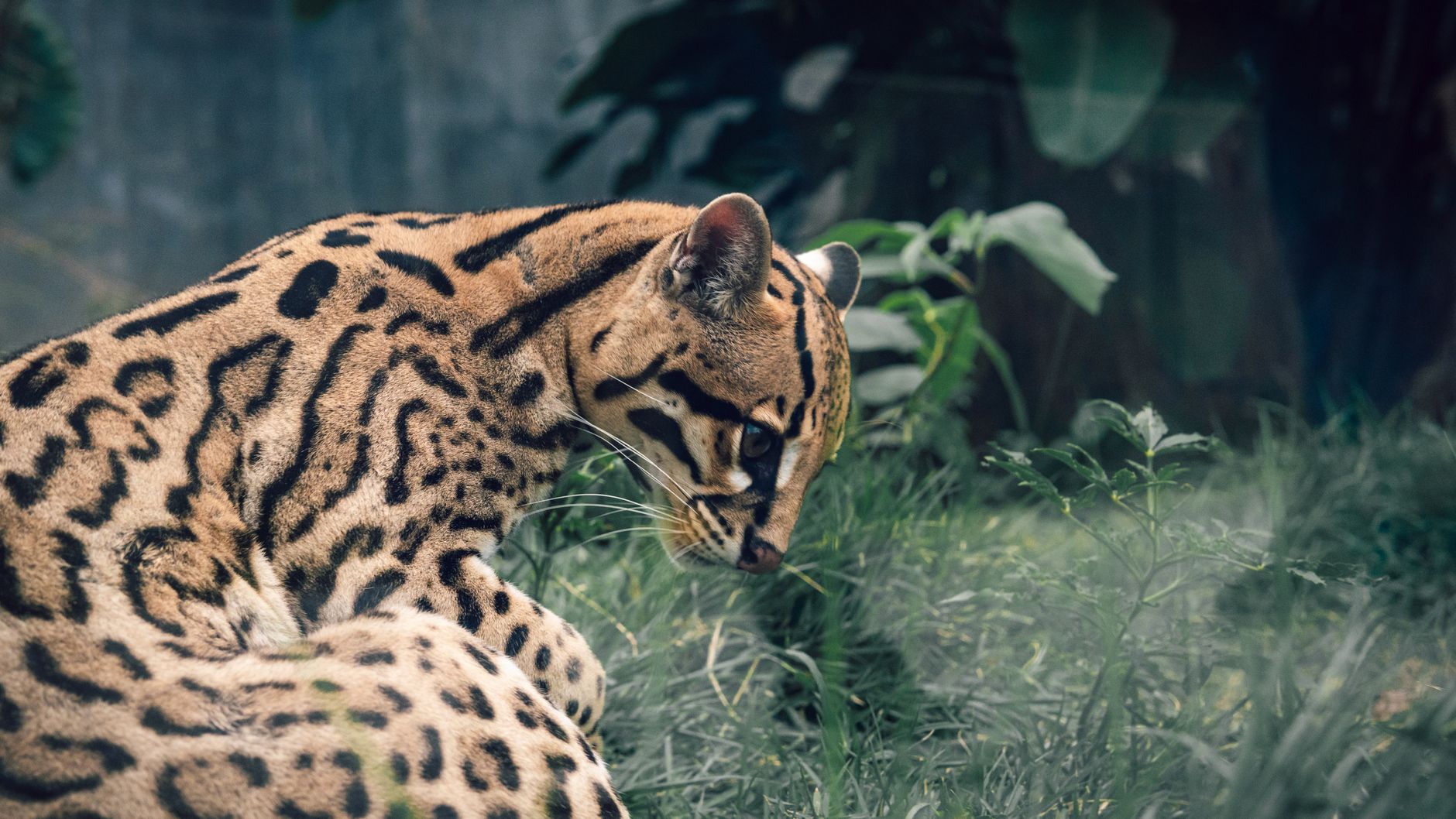
The International Union for Conservation of Nature's (IUCN) red list, regarded as the definitive gauge of the world's threatened species, has once again sounded the alarm. From the majestic Sumatran tiger to the humble freshwater mussels, each entry underscores a growing plight: evolution's marvellous adaptability is being outpaced by human rapacity.
Adaptation Meets Its Match
Take the Sumatran tiger, a creature whose cunning and agility have allowed it to thrive for centuries. Yet, illegal poaching and deforestation have dwindled their numbers to a mere few hundred. Despite their prowess, these tigers are losing their battle against human greed.
Similarly, the freshwater mussels, nature's unsung heroes of water filtration, are facing extinction due to pollution and habitat destruction. Their sophisticated filtration systems, a testament to nature's ingenuity, are rendered useless against the deluge of contaminants.
A Call for Urgent Action
Conservationists argue that this trend must be reversed. The red list is not merely a catalogue of doom but a clarion call for immediate action. Dr. Jane Goodall, renowned for her work with chimpanzees, emphasises the need for global cooperation. 'We must become the stewards of the earth, not its destroyers,' she urges.
While some progress has been made, such as the recent recovery of the Iberian lynx population, experts warn that these instances are exceptions rather than the norm. Without concerted efforts, many species will remain on their precarious path towards extinction.
As the world grapples with the consequences of its actions, the red list serves as a sobering reminder: our planet's rich tapestry of life is fraying, and only through collective will can it be preserved.